
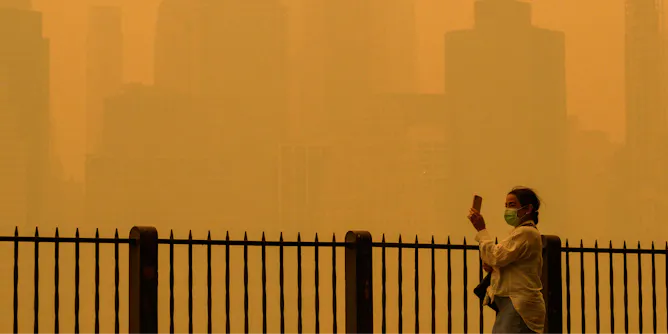
To understand what’s in the smoke you might be breathing, you have to look at where it’s been.
Articles on atmospheric chemistry
Displaying all articles
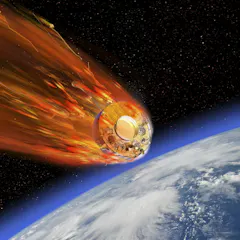
Human activity is causing large disruptions to the near-Earth space environment. We need an intergovernmental panel on space sustainability.
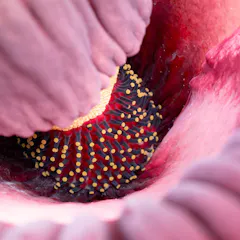
When a corpse flower bloomed on campus, atmospheric scientists got to work. What they discovered provides new evidence about the unique pollination strategies of a very unusual flower.

Hydroxyl scrubs the potent greenhouse gas methane from the atmosphere. But its production is linked with emissions of other pollutants.
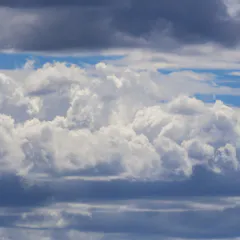
Clouds affect Earth’s weather and climate in many ways. New research suggests that the presence of microplastic particles could alter these processes.
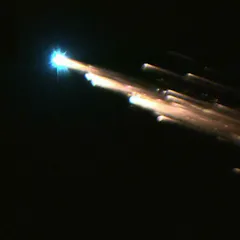
Burnt-up satellites could dump hundreds of tonnes of aluminium in the stratosphere every year. An atmospheric chemist explains what that might mean

It can be disruptive or refreshing, and we feel it every single day. But do you ever stop to think what creates wind on our planet?
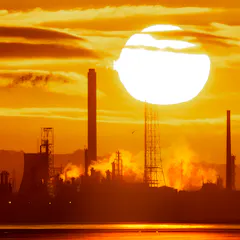
Countries still figure out their emissions by adding up all the sources, rather than measuring what’s actually in the air.
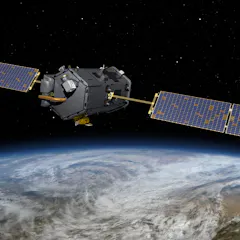
Carbon dioxide makes up less than one-twentieth of 1% of Earth’s atmosphere. How does this relatively scarce gas control Earth’s thermostat?
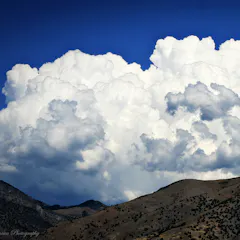
Even a small cloud can weigh as much as four tonnes – but gravity, chemistry and temperature keep them floating in the sky.

New research is spotlighting personal care products, such as shampoos and skin lotions, as a significant source of chemicals that contribute to urban air pollution.
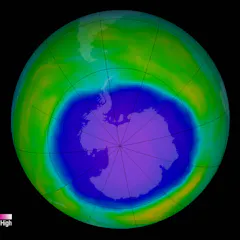
Earth’s ozone layer shields us from harmful ultraviolet radiation. Nations have been working to reduce ozone-depleting chemicals since the 1980s, but recent studies show that there is still work to do.
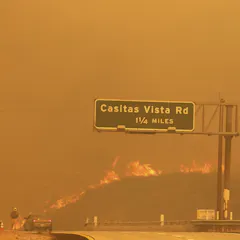
Intense wildfires in southern California are triggering air quality alerts. Health experts know surprisingly little about how inhaling smoke affects human health, especially over the long term.
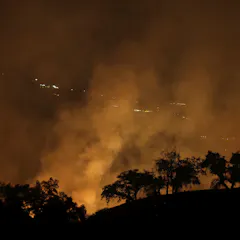
Wildfires in California have triggered a public health emergency. One threat is smoke inhalation: Some air readings have registered pollution levels comparable to bad air days in Beijing or Mumbai.
Top contributors
-

Professor of Environmental Health Sciences, UMass Amherst
-
Research scientist, University of Colorado Boulder
-
Professor and Associate Dean (Environment and Sustainability in Faculty of Science), The University of Melbourne
-
Reader in Atmospheric Chemistry, University of Bristol
-
Professor of Chemistry and Atmospheric Science, Colorado State University
-
Professor of Environmental Sciences and Engineering, University of North Carolina at Chapel Hill
-
Professor of Atmospheric Sciences, Climate Change Research Centre, UNSW
-
PhD Student in Chemistry, Penn State
-
Professor of Chemistry, Penn State
-
Research Scientist Trace Gases, National Institute of Water and Atmospheric Research (NIWA)
-
Ph.D. Student in Plant and Atmospheric Chemistry, Colorado State University
-
Professor of Chemistry, Colorado State University
-
Postdoctoral Researcher studying Plant-Atmosphere Interactions, Colorado State University
-
Professor in Physics and Astronomy, Western University
-
Professor of Atmospheric Science, University of Leeds