

An international study examined how heat and humidity may affect pregnancy. A reproductive health expert unpacks its key findings.
Articles on Aspirin
Displaying 1 - 20 of 26 articles
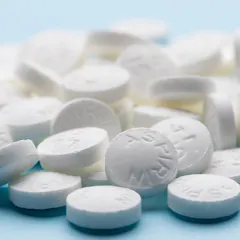
Low-dose aspirin can reduce pre-eclampsia risk. So should it be recommended for every pregnancy? The science isn’t that simple.
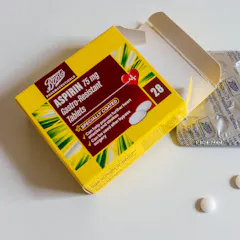
If you take a daily low-dose aspirin to prevent heart disease and you’ve never had heart problems before, you might want to talk to your doctor.

New research shows low-dose aspirin doesn’t prevent strokes in relatively healthy people aged over 70. And it increased their risk of bleeding on the brain after falls or other injuries.

In some cases, fever reducers and extra fluid intake can weaken the body’s response to infection.

Australians over 50 can get their AstraZeneca vaccine from a GP clinic from today. Here’s what you need to know when you book yourself in.

Every time you pop an aspirin, thank the German chemist Hoffmann and not Hippocrates.

It’s early days yet but a growing body of research evidence suggests COVID-19 causes abnormalities in blood clotting, which means blood thinning drugs may have a role to play in treatment.

Evidence now shows that for the majority of healthy people, the risks of bleeding with a daily Aspirin outweigh any heart benefits. How long will it take for your doctor to tell you?

Research shows that Aspirin could reduce the number of HIV infections in women at high risk for HIV, such as Kenyan female sex workers.

Taking low-dose aspirin daily doesn’t delay the onset of disability in healthy older people. Nor does it prevent heart attack or stroke in those who hadn’t experienced either condition before.
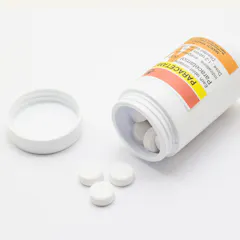
They’re often no more effective than placebo, but that shouldn’t necessarily stop us using them.
Trials into the effectiveness of drugs and treatments struggle to recruit enough participants, yet we rely on their results anyway.

What makes aspirin different to other NSAIDs, used to relieve pain, is its ability to thin the blood. It is used to prevent blood clotting in those at risk of heart disease and stroke.

Some people are incapable of swallowing tablets because of physical or psychological reasons. What should they do when the doctor prescribes a drug that comes in tablet form?

Aspirin reduces cancer risk in overweight people with an inherited condition, but the findings could be relevant to the rest of us too.

Common over-the-counter painkillers, such as ibuprofen and aspirin, can decrease risk of developing squamous cell carcinoma, according to a study published today in the Journal of Investigative Dermatology…

Cancer is a disease of genes. DNA mutations mess with the genetic content of a cell, enabling it to escape the normal controls that restrict their growth. Now, a team of scientists led by Delphine Lissa…
Taking aspirin before going to bed may reduce the risk of having a heart attack in the morning. A new study has shown the…

Women who use aspirin for five or more years have a 30% lower risk of developing melanoma skin cancer than women who don’t take aspirin, a new study has found. Previous studies have linked aspirin with…
Top contributors
-

Professor, Head of School of Public Health & Preventive Medicine, Monash University
-
Professor of Pharmaceutical Chemistry, Macquarie University
-
Professor and Head, Cardiovascular Research Unit, Monash University
-
PhD Student in Medical Microbiology, University of Manitoba
-
Associate Professor in Pharmacology, Murdoch University
-
Adjunct Professsor, School of Psychology, Faculty of Health and Medical Sciences, Adelaide University
-
Senior Research Officer, QIMR Berghofer
-
Associate Professor in Pharmacy Practice, University of Bradford
-
Professor of Epidemiology & Preventative Medicine, Monash University
-
Emeritus Professor of Medicine, Monash University
-
Clinical Senior Lecturer in Dermatology, Australian National University
-
Researcher, L’Université d’Ottawa/University of Ottawa
-
MRC Methodology Research Fellow, University of Aberdeen
-
Specialist General Practitioner, and Conjoint Senior Lecturer, UNSW
-
PhD Candidate in Medical Microbiology, University of Manitoba