
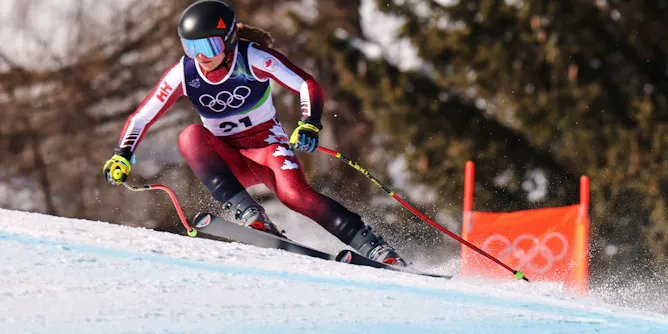
Heavy demands for energy and water risk locking ski resorts into a model that climate change will ultimately make unviable.
Articles on Artificial snow
Displaying all articles
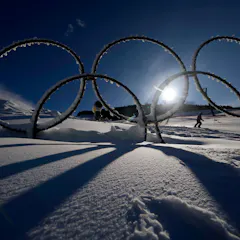
For the Winter Olympic and Paralympic Games, climate change poses a risk and could impact where the Games can be held in the future.
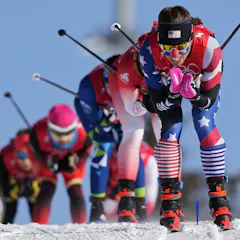
US Olympic skiers and scientists explain the sharp differences between natural snow and machine-made snow, from the science to the rising risk of crashes.
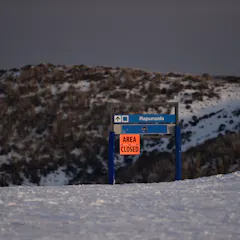
The two alpine regions projected to suffer the greatest loss of snow cover in the world are in Australia and Aotearoa New Zealand.
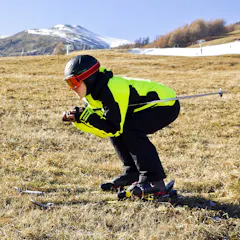
Skiing is central to the economy of many mountain regions across Europe. How are they coping with climate change and what room for adaptation do they have?
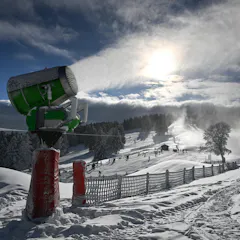
By attempting to make themselves less vulnerable to the whims of the weather system, French ski resorts may have replaced one dependency with another.
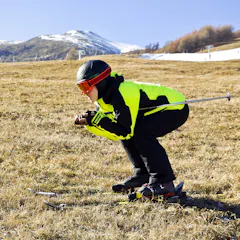
The Alps are warming at twice the global rate.
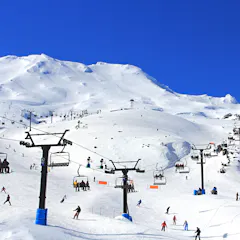
The financial troubles at New Zealand’s most famous North Island ski fields are a warning of what lies ahead for many ski resorts – and snow sports in general.
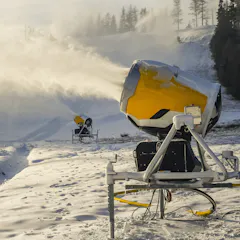
Snowmaking machines can produce enough snow to cover a run, but artificial snow is very different from natural flakes that fall from the sky.
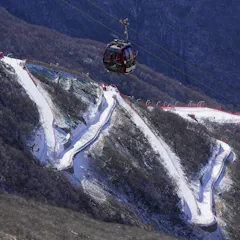
An analysis of 21 former Winter Olympic venues found that only one of them would be suitable and offer safe racing conditions for athletes if greenhouse gas emissions continue to rise.
Top contributors
-
 Hugues François is a Friend of The Conversation.
Ingénieur de recherche tourisme et système d'information, Inrae
-
Chercheur et directeur du Centre national de recherches météorologiques (Météo-France - CNRS), Météo France
-
Ingénieur Climatologie et services climatiques, Météo-France
-
Professor in Sociology of Sport and Gender, University of Waikato
-
Discipline Lead - Engineering, University of the Sunshine Coast
-
PhD candidate, Interdisciplinary Centre on Climate Change, University of Waterloo
-
Professor of Atmospheric Science, University of Utah
-
Senior Research Fellow, RAND Europe; Middlesex University
-
Graduate Student in Geography, University of Colorado Boulder
-
Assistant Professor in Geography, Mountain Hydrology, and Climate Change, University of Colorado Boulder
-
Associate Professor, Department of Public Finance, University of Innsbruck
-
Assistant Professor, Sport Ecology, University of Toronto
-
Professor and Strategic Director for Climate Change Education in Environment, University of Waterloo
-
Chercheuse en aménagement touristique, Inrae
-
Professor of Strategy, King's College London