

Science fiction and technological innovation feed off each other in an ongoing back-and-forth that can play out over decades.
Articles on Artificial intelligence (AI)
Displaying 341 - 360 of 631 articles

Researchers used AI to analyze photos of Olympic medalists and found that bronze medalists appeared happier than silver medalists. A cognitive process called ‘counterfactual thinking’ may explain why.
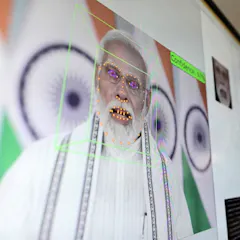
Campaigns used deepfakes to connect with voters rather than deception, and AI also helped them break through language barriers.

An information scientist explains that while Google’s AI Overviews and other AI search tools may look enticing, you shouldn’t rely on them to fill all your search needs.

A new database of AI tools could help social scientists revolutionize the way they do their research, from scanning large datasets to aiding in literature reviews.
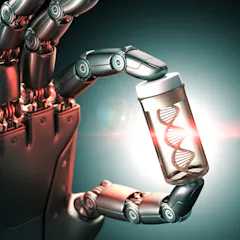
AI has learned the ins and outs of proteins. Gene editing gives scientists control of life’s molecular machinery. Together they could lead to a revolution in biotechnology.

How much “customer interaction uncertainty” does your business deal with? The answer should guide your thinking about AI.

The AI train has left the station. Now, guardrails need to be hastily built to keep the technology from running the music industry off the tracks.
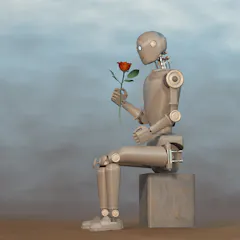
AIs that can see and hear have captured the public imagination. A machine learning expert explains why the sense of smell has lagged behind – and why that could change.

Phone cameras are an example of what’s called computational photography. Digital tools built into these cameras can enhance your images in real time.
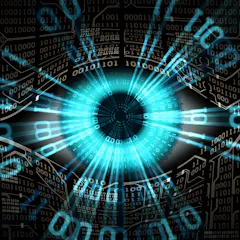
A data privacy expert explains how machine learning algorithms draw inferences and how that leads to privacy concerns.
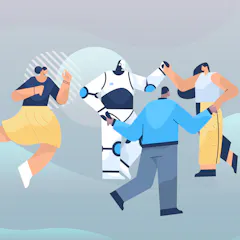
People participate in online communities to share experiences and sympathy. AI chatbots that join the conversation can only pretend to offer either.

AI may shore up an industry experiencing economic headwinds. But in a field where professional ethics and public trust are particularly important, it’s a risky endeavor.

Scientists are discovering viral genetic sequences in the wild faster than they can analyze them. A kind of ChatGPT for proteins can help make sense of all that data.

Just as human biases show up in machine learning systems, so, too, do people’s vagaries and vicissitudes.

Events that the media describe as ‘apocalyptic’ reflect changing anxieties about the future.

A Miami nightclub owner and restaurateur has been adding star power to his class on entrepreneurship and hospitality.

Visually appealing and cheap to produce, AI-generated images allow scammers and spammers to post high volumes of engaging content − and Facebook’s algorithm may be promoting these posts.

Ethics is often neglected in engineering education, two researchers write, despite mounting questions about how to responsibly design artificial intelligence programs.

AI chatbot makers’ restrictive use policies hinder people’s access to information.
Top contributors
-

Professor of AI, Research Group Leader, UNSW
-
Professorial Fellow, University of Canberra
-
Associate Professor of Visual Communication & Digital Media, RMIT University
-
Adjunct Senior Lecturer, Applied Ethics and CyberSecurity, Griffith University
-
Professor of Information Systems, Michigan State University
-
Professor in Robotics, Queensland University of Technology
-
Adjunct Lecturer in Public Policy, Harvard Kennedy School; University of Toronto
-
Senior Research Fellow in AI Accountability, Queensland University of Technology
-
Professor of Philosophy and Director of Applied Ethics Center, UMass Boston
-
Professor in Business Information Systems, University of Sydney
-
Director of Sydney Executive Plus, Business School, University of Sydney
-
Professor of Information Technology and Organisation, University of Sydney
-
PhD in machine ethics, University of Canterbury
-
Professor in Computational Intelligence, Australian Catholic University
-
Senior Lecturer, School of Engineering, Australian National University