
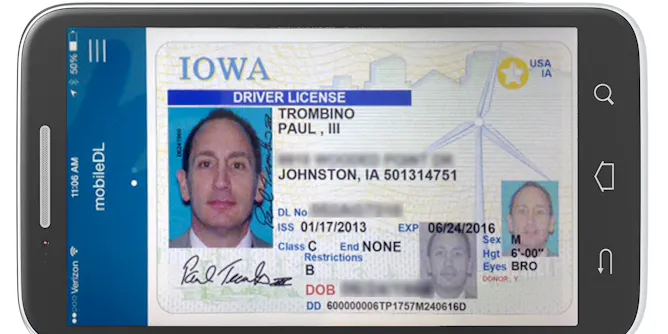
Smartphones are key elements of two-factor authentication processes. Weakening their security threatens people’s digital identities.
Articles on Apple vs FBI
Displaying all articles
Scholars dig in to the debate on whether police should be able to defeat or circumvent encryption systems.

The FBI and police officials say they need to decrypt secure communications to fight crime. But they have other options, and modern threats make clear the importance of strong encryption.
Apple’s design decisions don’t please everyone, but in the iPhone the company created something truly revolutionary that has lasted.

The technical consensus is clear: Adding ‘backdoors’ to encryption algorithms weakens everyone’s security. So what are the police and intelligence agencies to do?
The FBI has a history of abusing search warrants to illegally read Americans’ emails. Did the agency just do it again, in the highest of all high-profile situations?
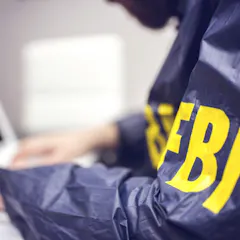
We don’t expect our own government to hack our email – but it’s happening, in secret, and if current court cases go badly, we may never know how often.

Bad guys or law enforcement could hack into our networked gadgets to spy on everything we do – and it’s not clear how a laptop’s video camera or an Amazon Echo fits within wiretapping laws.
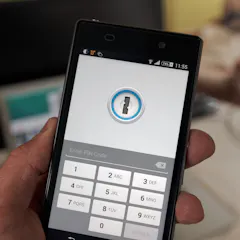
PIN codes, passwords, swipe patterns and biometrics can help secure your smartphone, but they’re far from foolproof.
Insecurity by design, as the FBI or UK government would have it, is pouring petrol on an already raging fire.
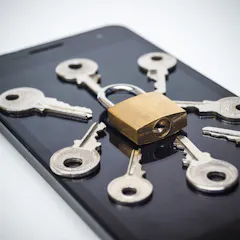
The FBI has accessed the data on a shooter’s iPhone. What if the device had been running Android?

Philosophically speaking our smartphones could be seen as an extension of us. But where does that leave us legally?
The court order to Apple is consistent with the existing law and previous Supreme Court decisions.

Apple’s refusal to back down in its fight with the FBI is a sharp reversal from just a few years ago when it was the government urging tech companies to do more to protect consumer privacy.
Top contributors
-

Professor of law and ethics, Georgia State University
-
Professor of Cyber Security and Policy, Tufts University
-
Senior Lecturer in Government, Texas A&M University
-
Professor, Information Security Group, Royal Holloway, University of London
-
Research associate, University of Cambridge
-
Postdoctoral Fellow, Cyber Security Project, Belfer Center for Science and International Affairs, Harvard University
-
Professor of Information Security, Royal Holloway, University of London
-
Assistant Professor, William & Mary
-
Post Doctoral Researcher in network security, Edith Cowan University
-
Professor of Information Systems, Carnegie Mellon University
-
Assistant Professor of Computer Science, North Carolina State University
-
Senior Lecturer in Bioethics, Australian National University
-
Bernard A. Galler Collegiate Professor of Electrical Engineering and Computer Science, University of Michigan