
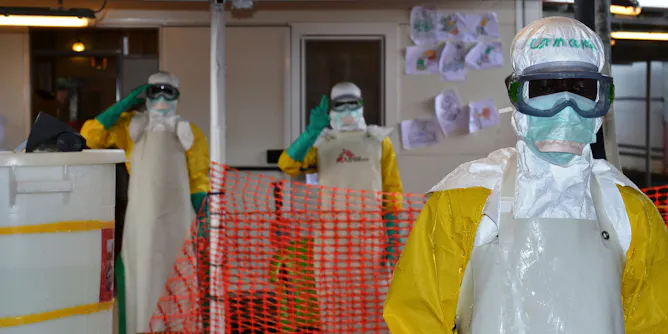
The virus is always present in nature and when circumstances allow, it may jump from one species to another.
Articles on Antiviral drugs
Displaying 21 - 40 of 49 articles
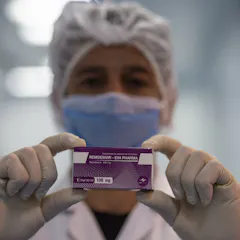
Treatment nationalism is a threat to us all.
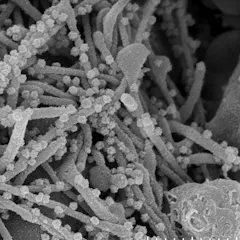
Kinases are cellular control switches. When they malfunction, they can cause cancer. The coronavirus hijacks these kinases to replicate, and cancer drugs that target them could fight COVID-19.
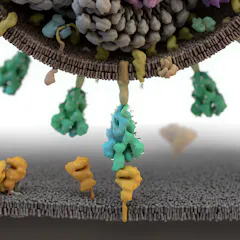
Scanning through billions of chemicals to find a few potential drugs for treating COVID-19 requires computers that harness together thousands of processors.
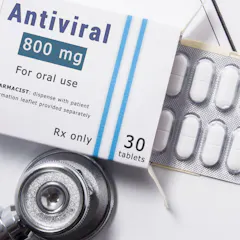
Finding drugs that treat the COVID-19 coronavirus may be just as important as developing a vaccine. But it’s much harder to create effective antivirals than antibiotics.
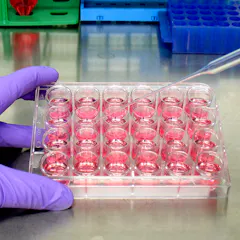
Researchers at the University of California, San Francisco, identified nine existing drugs that show promise to treat COVID-19. The proteins they target haven’t been tried before.
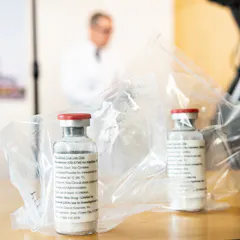
Preliminary results from a US trial show remdesivir may help in treating COVID-19. But the findings haven’t been peer-reviewed, and the results from other clinical trials have shown little effect.
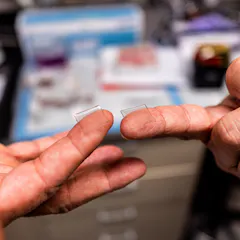
University of Pittsburgh researchers are developing a vaccine patch for COVID-19 that is as easy to apply as a Band-Aid.
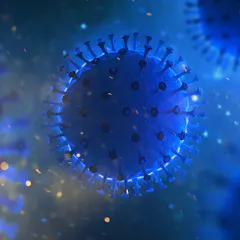
It seems as though every other day we’re told a cure has been found for coronavirus. This is not strictly true – but there are some therapeutic options showing promise.
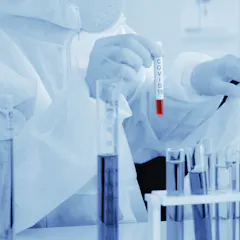
While there is no cure for COVID-19, dozens of clinical trials are underway to test retroviral medicines and potential vaccines targeting the novel coronavirus.
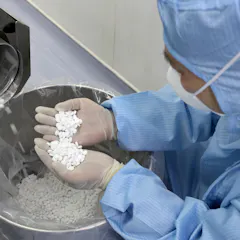
A medicinal chemist addresses questions about chloroquine and hydroxychloroquine: what it is, whether it is effective against COVID-19 and whether it can treat and/or prevent this disease.
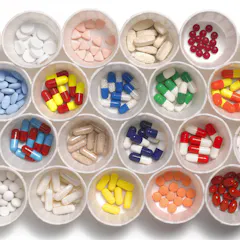
Among the more than 20,000 drugs approved by the FDA, there may be some that can treat COVID-19. A team at the University of California, San Francisco, is identifying possible candidates.

As the coronavirus spreads, public health officials stress the importance of hand washing. But can it really make that much of a difference? A microbiologist explains why.

Viruses are basically parasites and, as such, can wreak havoc – but not always. Viruses are within you right now. Viruses cause the most damage when they jump from a familiar host to a new host.
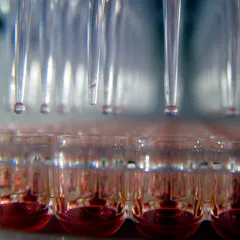
Pharmaceutical companies focus on small molecules they’ve devised – and can easily patent. But nature’s already come up with many antibacterial compounds that drug designers could use to make medicines.

A clinical trial currently underway in France could confirm that that HIV treatment can be safely reduced to just four days a week, while maintaining the same efficacy.

Australia has been subsidising drugs to cure hepatitis C since March 2016. Unlike in many other countries, these are available to everyone with the disease and are much cheaper for our government.
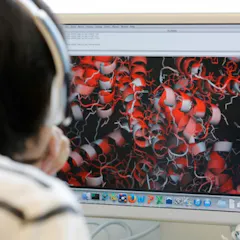
This antivirus software protects health, not computers. Researchers are beginning to combat deadly infections using computer-generated antiviral proteins – a valuable tool to fight a future pandemic.

Combinations of two or three hepatitis C virus direct-acting antiviral drugs taken for 8-24 weeks can cure more than 90% of people treated.

Charlie Sheen’s recent announcement that he has HIV has raised concerns about whether he may have transmitted the infection to other people.
Top contributors
-

Professor and Director of Quantitative Biosciences Institute & Senior Investigator at the Gladstone Institutes, University of California, San Francisco
-
Professor of Pharmaceutical Chemistry, Macquarie University
-
Deputy Director, WHO Collaborating Centre for Reference and Research on Influenza
-
Infectious Diseases Physician, St Vincent's Hospital, Sydney; Scientia Professor, Kirby Institute, UNSW
-
Assistant Professor of Infectious Diseases, University of Virginia
-
Virology Research Scientist, University of Washington
-
Melbourne Laureate Professor, University of Melbourne; Director, The Peter Doherty Institute for Infection and Immunity
-
Research associate, The Kirby Institute, UNSW
-
Biologiste, chargée de recherche au CNRS, École normale supérieure (ENS) – PSL
-
Dean and Hunterdon Professor of Public Health & Health Equity, School of Public Health, Rutgers University
-
Honorary Professor Faculty of Health and Medical Science, Univeristy of Sydney; Senior Researcher Sydney Institue for Infectious Disease, University of Sydney., University of Sydney
-
Professor in Public Health and Epidemiology, University of Bristol
-
Deputy Director, Burnet Institute, Adjunct Professor, Monash University, Burnet Institute
-
Doctoral Student in Biochemistry, University of Washington
-
Professor in Microbiology and Molecular Biology, UNSW