
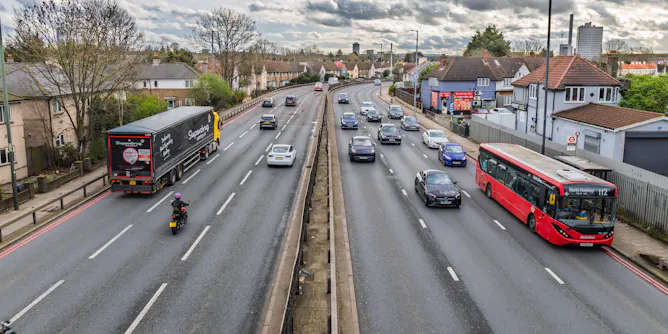
Motor traffic makes residents feel less safe from vandalism, burglary and violence.
Articles on Antisocial behaviour
Displaying 1 - 20 of 31 articles
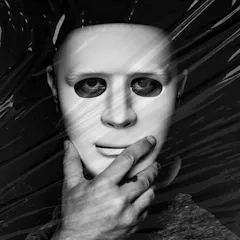
And how our understanding of psychopathy is changing.

Social media is ablaze with reports of kids going wild at screenings of A Minecraft Movie. It’s not antisocial: it’s communal.
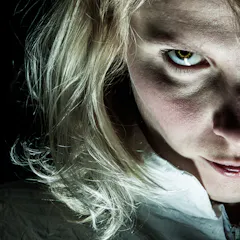
Even Hannibal Lecter from The Silence of the Lambs had confusing labels. Was he a psychopath, a sociopath or something else entirely?
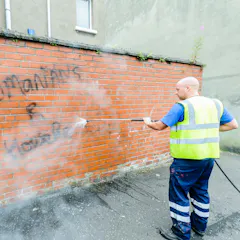
The UK lacks a comprehensive system for recording hateful graffiti and imagery, something which researchers argue must change.
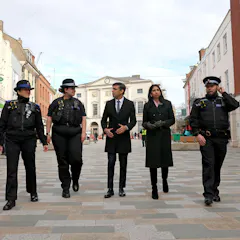
After a pandemic and over a decade of public spending cuts, young people need investment not punishment.
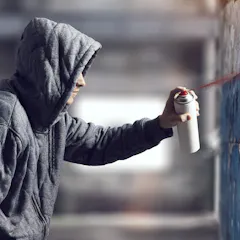
Broad definitions mean almost anything can be classed as antisocial behaviour.
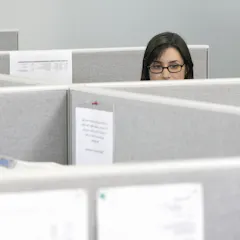
Narcissists, psychopaths and Machiavellians, oh my. These antagonistic personality types can make life hard for the people around them. Here are five tips for how to deal with them at work.
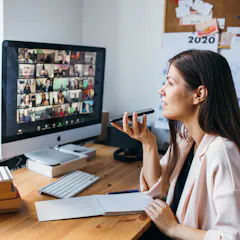
Social media has become a virtual lifeline during the COVID-19 crisis. How people in isolation are using Zoom and other platforms goes against the notion that social media makes us more anti-social.

Social networks tend to encourage behaviour considered deviant by local populations.

The role and efficacy of the traditional crime-prevention measures in Iraye-Oke are widely acknowledged by people who live in the area.
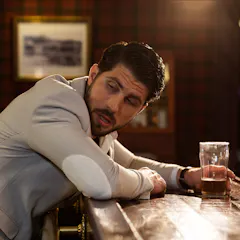
You’ve no one to blame but yourself, according to science.
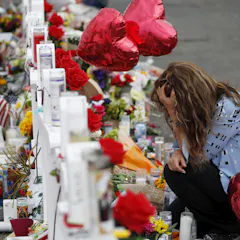
In the wake of yet more mass murders, people want answers. Some questions that arise about the tragedies relate to mental illness. A psychiatrist answers three here.

Why do even the rich cheat on their taxes? Roesearch suggests some people may be genetically predisposed to break the rules for their own financial gain.
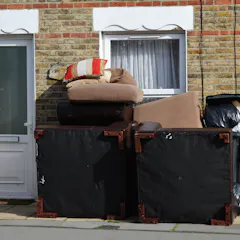
New analysis reveals the most common types of anti-social behaviour, and who the victims are.
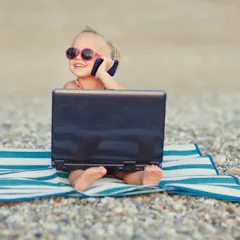
School is out and screens make tempting babysitters. Follow these recommendations to allow your child some screen time without compromising their health and development.
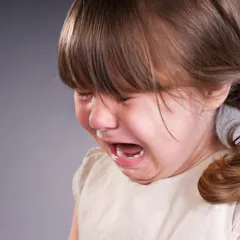
The debate on spanking is over. Scientific studies consistently show that it is harmful to children, increasing the likelihood of mental health problems and antisocial behaviours.
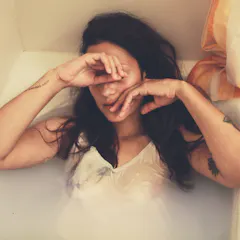
Gender is important in defining susceptibility and exposure to a number of mental health risks. Gender can also explain differences in mental health outcomes.
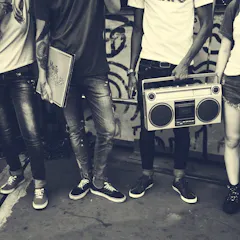
Here’s what can be done.

Psychologists believe that something called ‘online disinhibition effect’ might partly explain trolling behaviour.
Top contributors
-

Professor and Canada Research Chair in Childhood Adversity and Resilience, University of Manitoba
-
Associate Professor of Applied Nutrition, Department of Family Relations and Applied Nutrition, University of Guelph
-
Associate Professor, Federation University Australia
-
PhD, RD, University of Guelph
-
Full Professor of Clinical Psychology, L’Université d’Ottawa/University of Ottawa
-
Professor of Psychiatry, Monash University
-
Research Director at the UNH Sales Center and Assistant Professor of Marketing, University of New Hampshire
-
StreeetSnap Research Associate, Swansea University
-
Emeritus reader in science education and communication, University of Sussex
-
Lecturer in Management (Business Ethics, Professional Ethics, and Corporate Social Responsibility), University of New England
-
Professor of Psychology, Flinders University
-
Deputy Director, The Kids Research Institute Australia, Professor of Autism Research, The University of Western Australia
-
DIrecteur de la Pédagogie - Full Professor, IÉSEG School of Management
-
Principal Lecturer in Public Policy, Nottingham Trent University
-
Lecturer in Psychology, University of Bradford