
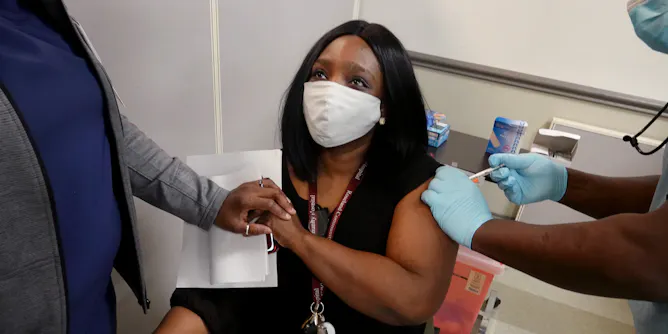
Black people are skeptical about the new vaccines for many reasons. If public health leaders told the full story, maybe there’d be a higher chance that Black people would want to take the vaccine.
Articles on Anti-vaxxers
Displaying 61 - 80 of 127 articles
Employers could require their workers to get vaccinated against COVID-19 via both workplace policies and existing laws. Neither option, however, is simple or straightforward.
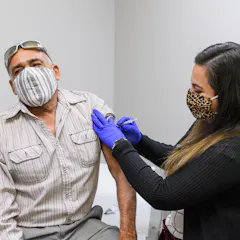
Millions of Latinos may not get the influenza shot this year, which could be an indicator of whether they will get a COVID-19 shot. A rural clinic shows how building trust can help overcome reluctance.
A 1904 revolt against mandatory smallpox inoculation taught Brazilian health officials a deadly lesson on how to vaccinate a skeptical public. Today President Bolsonaro seems to ignore that history.

Budget cuts and outsourcing content have affected the amount and quality of science journalism. Scientists should learn to communicate their own findings directly and clearly to the public.

Think beyond facts to make your argument.
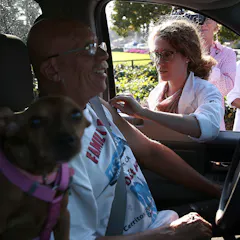
Many people object to the added ingredients in vaccines. But pharmacists explain why those fears are unwarranted.
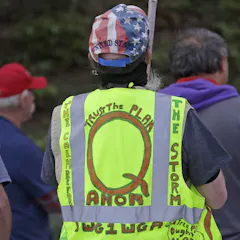
Computational methods could help identify conspiracy theories as they emerge.

People who oppose vaccines often are dismissed as ignorant or naive. Failing to hear their concerns and address them may only be fueling vaccine resistance, however.
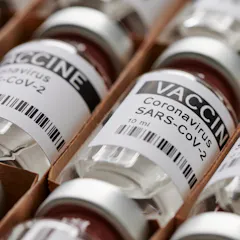
Experts from across The Conversation look at how COVID-19 vaccines will work, how they’re being tested and manufactured, and what challenges there will be to rolling them out.
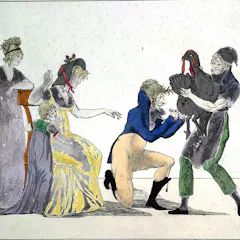
The history of anti-vaccination theories can help us understand how such claims capture a popular following. The same misinformation used against 19th century smallpox vaccine is still in use today.
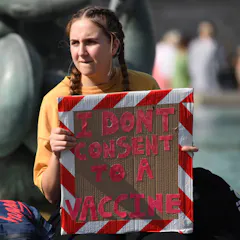
Australians who refuse vaccines spend a lot of time trying to understand vaccine choices and think they’re making evidence-based decisions.
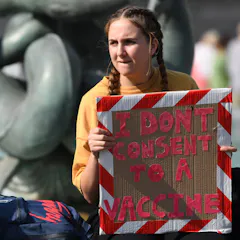
Governments need to engage not just with anti-vaxxers, but with concerns about the safety and environmental impact of vaccines

Extremists are playing on people’s health fears to normalise their views.
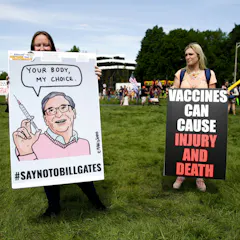
Those opposing vaccinations often mistrust government, science and the news media. There may be better ways to persuade them than by offering facts only.
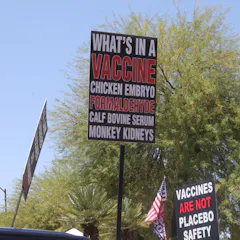
Most people will know someone who has succumbed to conspiracy theories about coronavirus – here’s how to talk to them.
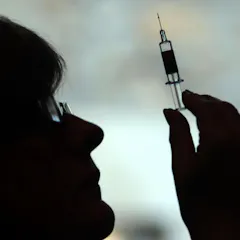
Research on conspiracy theories can help people become receptive to health advice.
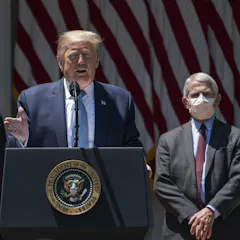
Whether in situations relating to scientific consensus, economic history or current political events, denialism has its roots in what psychologists call ‘motivated reasoning.’
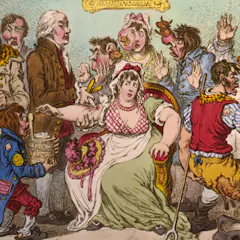
The smallpox vaccination used calf lymph, which was unacceptable to vegetarians and anti-vivisectionists who were growing in number from the mid 19th century.
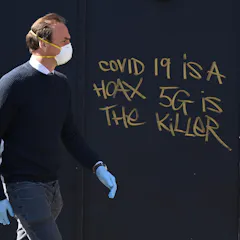
Don’t jump to conclusions about 5G conspiracy theories or those that believe in them.
Top contributors
-

Associate Professor of Health Law, Policy and Management, Boston University
-
Assistant Professor of Health Policy and Managment, School of Public Health, Texas A&M University
-
Associate Professor, Labour studies, Brock University
-
Professor and Director, Edward R. Murrow Center for Media & Health Promotion Research, Washington State University
-
Associate Professor in Social Psychology, School of Psychology, University of Nottingham
-
Professor of Global Biosecurity, NHMRC L3 Research Fellow, Head, Biosecurity Program, Kirby Institute, UNSW
-
Associate Professor, University of Oxford
-
Doctoral Student, Centre for the History of Science, Medicine, and Technology, University of Oxford
-
Professorial Fellow, University of Canberra
-
Associate Professor, health communication, Washington State University
-
Director of Research and Policy at The Dor Foundation and Associate Professor of Politics at Deakin University, Deakin University
-
Assistant Professor of Philosophy & Disability Studies, Georgetown University
-
Professor, School of Public Health, University of Sydney
-
Research Fellow, Center for Philosophy and History of Science, Boston University
-
Associate Professor, School of Public Health, Global Disease Epidemiology and Control, Johns Hopkins University