
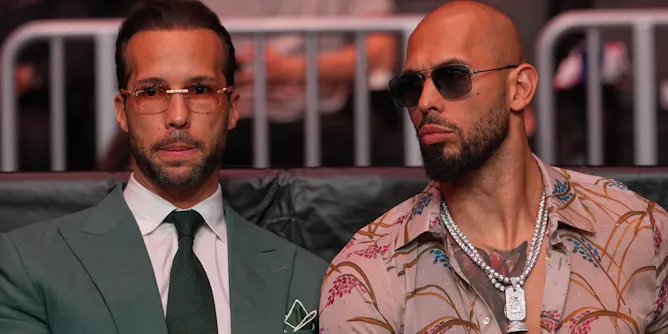
Masculinism, an extreme version of men’s rights, is led by very different far-right figures, from Andrew Tate to the leader of Pete Hegseth’s church.
Articles on Andrew Tate
Displaying 1 - 20 of 36 articles

Online sexism is no longer primarily a series of isolated or individual opinions but has evolved into a system-level phenomenon that spreads through digital platforms and produces real-world consequences.

Over the past 10 years, masculinism has moved from the fringes to the centre of public debate, driven by social media and its viral dynamics.

Theroux’s new Netflix documentary exposes the ‘manfluencers’ profiting off male grievance – and hurting both men and women in the process.

No longer confined to social media feeds, the misogynistic ‘red pill’ worldview is now being amplified on Australian broadcast television.
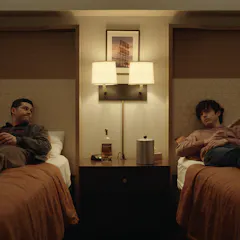
The friendship here depicts something that our culture usually finds very difficult to imagine: an image of straight masculinity that is actually lovely.

A journalist’s deep dive into the manosphere asks big, important questions about why men are susceptible and what we can do. But it struggles to provide answers.

Acquiring high-value status is not viewed merely as key for success in life, but also for attracting “high-value” women as well.
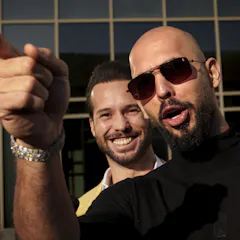
Prosecutors in the United Kingdom have charged Tate, and his brother with 21 offences. It’s likely to make his millions of followers even more loyal to him.

Neoliberalism encourages us to see ourselves as isolated individuals, responsible for our own success or failure.

Research has shown that spending long periods on social media and gaming sites exposes young men and boys to incel content.

What parents need to know about misogynistic communities online.

Youth workers can provide a positive example of masculinity.

Researchers have been reporting a disturbing rise in sexist, misogynist behaviour from school students. But what is happening in Australian universities?

Victoria has announced new teaching resources to tackle the influence of “manosphere” figures among students. But we still don’t have a clear picture of sexism and harassment in our schools.

The objectification of women at the heart of 90s pop culture does not gel with what we think of as the sexually open, progressive politics of generation Z.

Around the world, violence against girls and women is on the rise. Researcher Stephanie Lamy has investigated misogynistic online subcultures to find out why.

Our research on school students’ sexist behaviour towards teachers shows some school leaders, colleagues and parents are downplaying harassment and abuse.

There is a corner of the internet that preaches male violence as a response to male violence.

Instead of focusing on the people sending out the propaganda, we should turn our attention to those who receive it.
Top contributors
-

Professor of Sociology, School of Social Sciences, Monash University
-
Associate Professor, School of Education, Adelaide University
-
Lecturer, Monash University
-
Professor of Cybercrime and Gender, University of Portsmouth
-
Associate Professor in Criminology, University of Surrey
-
Honorary Fellow in Sociology, Australian National University
-
Associate Professor in Sociolinguistics, Birmingham City University
-
Director of Research and Policy at The Dor Foundation and Associate Professor of Politics at Deakin University, Deakin University
-
Assistant Research Professor, Morgan State University
-
Co-director, Curtin Extremism Research Network, Curtin University
-
Associate Professor in the Department of Leadership, Higher and Adult Education at Ontario Institute for Studies in Education, and Director (Interim) of the Transitional Year Programme, University of Toronto
-
Senior Lecturer in Applied Social Science, University of Bedfordshire
-
Program Director | Instructor | Internship Coordinator, School of Health and Human Performance, Dalhousie University, Dalhousie University
-
Adjunct assistant professor, Werklund School of Education, University of Calgary
-
Professor of Education, Deakin University