

Because most people want to be perceived as generous, sometimes monetary incentives for doing a good deed are counterproductive.
Articles on Altruism
Displaying 21 - 40 of 49 articles
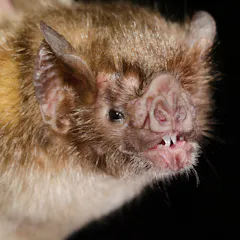
Vampire bats form social bonds similar to human friendships – and they’re good friends to those in need.
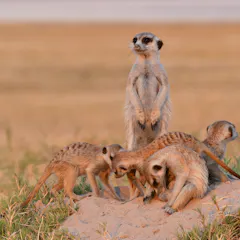
A thought experiment from Richard Dawkins’ book The Selfish Gene turned out to be a more realistic explanation for altruism than he expected.
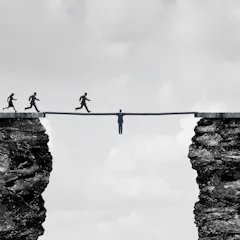
Self-sacrifice isn’t all about selfish genes.
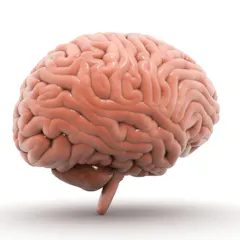
Is everything about who we are contained within our brains?
Where do the cooperative skills that hold together human societies come from and why don’t our selfish instincts overwhelm them? Evolutionary game theory suggests that empathy is a crucial contributor.

Even though we might grumble about the pressures of Christmas, new research shows that we give because we genuinely want to make people happy.
How does being thankful about things in your own life relate to any selfless concern you may have about the well-being of others? A neuroscientist explores the gratitude/altruism connection.
Some people are more inclined to give when they know their friends will find out.

American spending on pets is more than the combined GDP of the 39 poorest countries in the world. What if even a small percentage of this spending was allocated to reducing suffering, asks a philosopher.
The idea that we are only kind to get ahead doesn’t seem to hold up, being nice genuinely makes us feel good.

Study challenges our understanding of optimism as being a self-centered phenomenon.

Materialism has an ugly face but it is here to stay. Rather than focusing efforts to diminish it we should utilise materialism to benefit wider society.
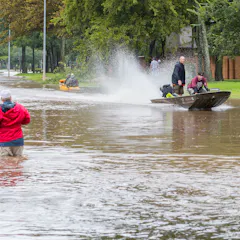
Caring about someone you have never met, this new brain research suggests, may have a lot in common with caring about the people you love.

Charities’ victory in inheritance case a relief for legacy fundraisers, but raises wider questions about individuals’ motives.
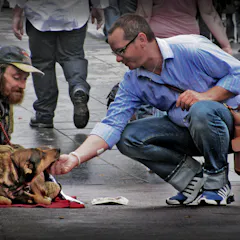
It’s important to strike a balance between helping others and looking after yourself.
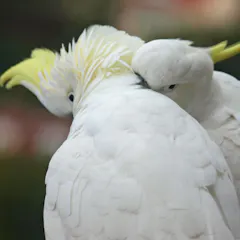
For a long time it was not believed that animals were even capable of feeling pain, let alone complex emotions. We now know that is far from the truth.
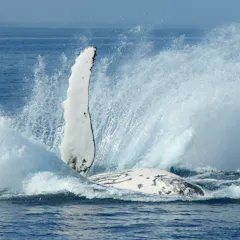
Humpback whales have been spotted fending off killer whales from attacking other species. But this kind of interspecies altruism raises an evolutionary conundrum.
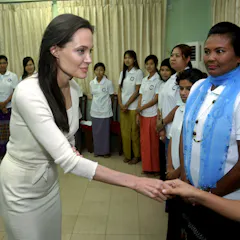
Can a study into the neural basis of altruism help us be better people?

It helps society function when people punish selfish acts, even at a personal cost. A new theory suggests third-party punishment also confers some benefits on the punisher.
Top contributors
-

Senior Lecturer in Psychology, Leeds Beckett University
-
Postdoctoral research fellow, University of Birmingham
-
Professor of Behavioural Ecology and ARC Future Fellow, University of Sydney
-
Professor of Bioethics in the Center for Human Values, Princeton University
-
Senior Lecturer, Newcastle University
-
Emeritus Professor in Animal Behaviour, University of New England
-
Reader in Law, Univeristy of Manchester, University of Manchester
-
Professor Evolution & Ecology, UNSW
-
Professor of Practical Ethics, Duke University; Institute for Humane Studies
-
Senior Lecturer in Social Psychology, Nottingham Trent University
-
Associate Teaching Professor, Arizona State University
-
-
Professor in Behavioural Genetics, University of Sydney
-
Senior Lecturer in Psychology, University of Sussex
-
Senior Lecturer in Personality or Individual Differences, Western Sydney University