

Satellites can be used to independently monitor emissions, helping to better understand emissions in regions where ground-based or other data are lacking.
Articles on Alberta oilsands
Displaying 1 - 20 of 22 articles

An independent Alberta would be a landlocked, oil-exporting nation.
It would have to enter into long and painful negotiations with Canada and the U.S. over every aspect of its new status.
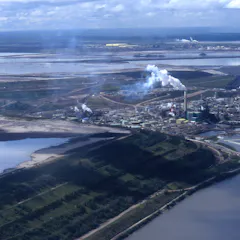
Has Ottawa facilitated or obstructed the spectacular post-1990 growth of oilsands production? The evidence is clear: the federal government has been a major oilsands booster.

Creating sustainable jobs that are regionally accessible, locally meaningful and economically desirable is the next big hurdle for Canadian policymakers aiming for a net-zero energy economy.
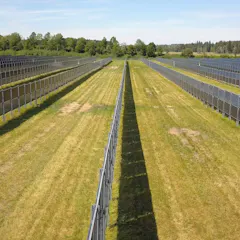
Using agricultural land for both solar and food production presents huge opportunities for Canadian farmers, especially in Alberta.
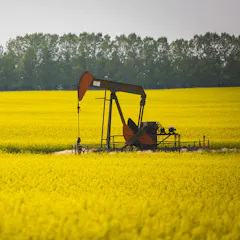
A series of ongoing issues in Alberta’s oil and gas sector suggest the province’s energy regulator is controlled by the industry and has lost the public’s trust.
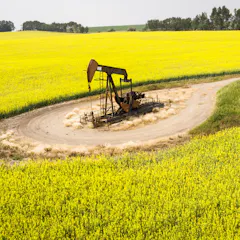
Canada has no choice but to adapt its energy sources and industries in a ‘just transition.’ If it doesn’t, the inevitable transition will be much more disruptive — and much less just.

The Alberta government is failing to ensure environmental liabilities are adequately accounted for and that progress is being made to address the province’s massive tailings ponds.
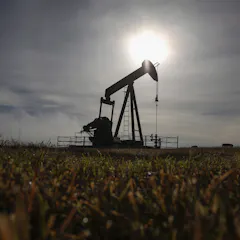
Four companies contribute about 20 per cent of Alberta’s total revenue, giving them an enormous amount of control over the province’s finances and, by extension, politics.

As one of the few countries to have enshrined net-zero into law, Canada has earned praise for its climate leadership. Yet an independent report calls out its continued failures to reduce emissions.
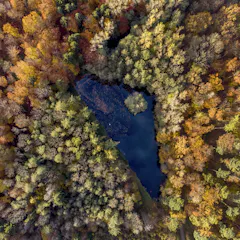
The pledge to end deforestation holds great potential, but Canada has some work ahead if it is to make meaningful progress on the new goal and stop ongoing forest and carbon loss.
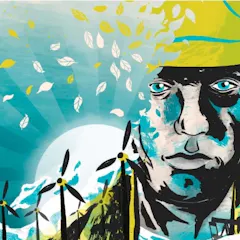
If Canada chooses to keep its oil in the ground, it doesn’t mean turning off the tap overnight. Skilled trades will be key to winding down the industry and building up new lines of work.
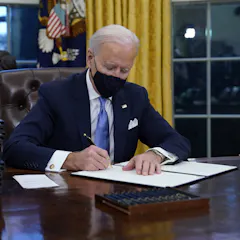
President Joe Biden’s executive order could be fatal to the Keystone XL pipeline. The Canadian oil sector now has no choice but to innovate to survive.
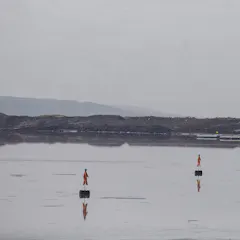
New regulations will allow oilsands companies to release 1.3 trillion litres of liquid waste into the Athabasca River in 2022. A new technology could clean the wastewater before it’s let go.

Irving Oil is transporting Canadian crude oil by tanker through the Panama Canal and the Gulf of Mexico to its Saint John refinery in an effort to offset any impact COVID-19 might have on its supply.
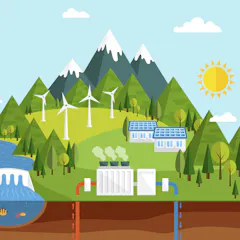
The oil and gas industry was in trouble before the pandemic hit, but now it faces potential collapse. A majority of Canadians want the federal government to invest in a ‘green recovery.’
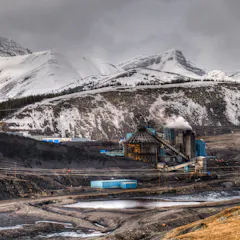
Environmental monitoring and public participation are necessary to maintain transparency and protect ecosystems and communities.
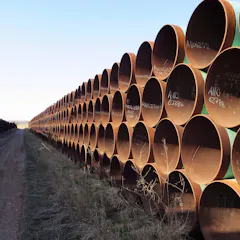
Canadian companies depend on the international marketplace, which is demanding cleaner energy products. Without significant change, Canada’s energy sector risks being left behind.
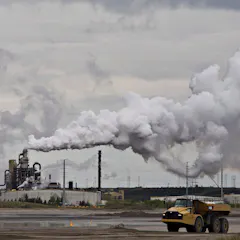
Alberta has modified its environmental rules, becoming the first to do so during the COVID-19 pandemic.
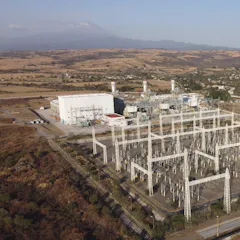
The behaviour of TC Energy, the company formerly known as TransCanada, in Wet'suwet'en resulted in a nationwide crisis in Canada. It should not be repeated in Mexico.
Top contributors
-

Director, Queen's Institute for Energy and Environmental Policy, Queen's University, Ontario
-
Research Fellow, Public Economics, The Parkland Institute, University of Alberta
-
Associate Professor of Political Science, University of Waterloo
-
PhD Candidate, Department of Geography, Environment and Geomatics, University of Guelph
-
Liber Ero Postdoctoral Fellow, Department of Medicine, University of British Columbia
-
John M. Thompson Chair in Information Technology and Innovation and Professor, Western University
-
Assistant Professor, Department of Political Science, McGill University
-
Associate Professor and Canada Research Chair in Atmospheric Biogeosciences in High Latitudes, Université de Montréal
-
Assistant Professor, Department of Biology & School of Environmental Studies, Queen's University, Ontario
-
Assistant Professor, Department of Anthropology, Economics and Political Science, MacEwan University
-
Professor and Founding Fellow at the MacEachen Institute for Public Policy and Governance, Dalhousie University
-
Canada Research Chair in Economy and Environment, Queen's University, Ontario
-
Associate Professor in Environment and Global Geography, York University, Canada
-
Postdoctoral research fellow, Department of integrative biology, University of Windsor
-
Liber Ero Fellow, Environmental and Life Sciences Program, Trent University