
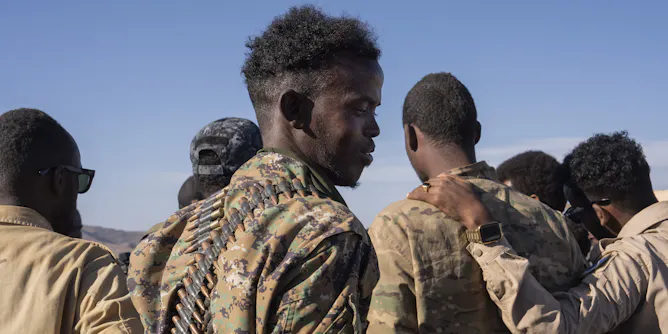
Supported by UAE and the US, the self-declared autonomous Somali region has pushed back Islamists’ advances.
Articles on Al Shabab
Displaying all articles
Climate policies in Africa must include clear commitments to combat modern slavery.
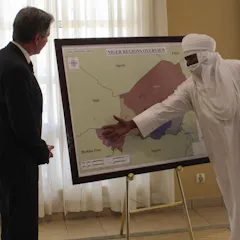
The disintegration of the United States’ relationship with Niger following its military coup in 2023 is giving way to stronger ties between the African country and Russia and China.
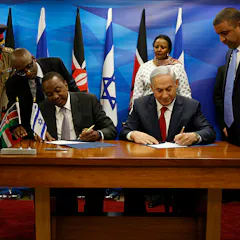
East Africa’s reaction to the war in Gaza appears shaped by history, affinity to the policies of the west and the threat of terrorism.

A rapid exit of AU troops from Somalia could hand a battlefield and propaganda advantage to al-Shabaab.
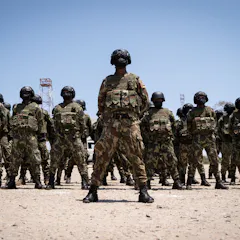
In parts of Nigeria and Mozambique, the central governments and state institutions are either absent or unable to address the dire socio-economic conditions and related instability.

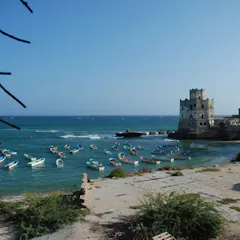
A modern port raises Puntland’s stake within the fragmented political landscape of Somalia and prevents traders from seeking alternatives.

Foreign military presence is not very pronounced in Kenya, though British and American personnel either train or assist in security operations.

All terrorism in the region has domestic origins but is linked to regional and international events.

Should South Africa’s military get involved, it would be venturing into a highly violent and complex landscape, requiring a counter-terrorism type of operations.
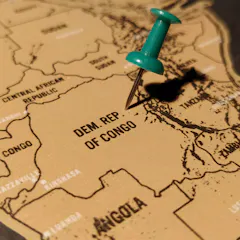
Links between groups within the Kivu province and the Islamic state are not new.

Speculation and conspiracy theories abound about the Mozambican insurgents leaving a trail of violence in resource rich Cabo Delgado.
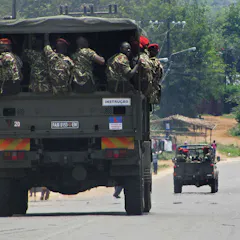
A guerrilla movement in Mozambique could upend the government’s plans for stability and prosperity.
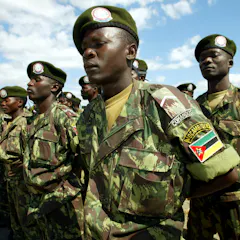
The first Islamist attack carried out by Mozambicans in the country is particularly surprising given the pride the country takes in its sound and relaxed inter-religious relations.
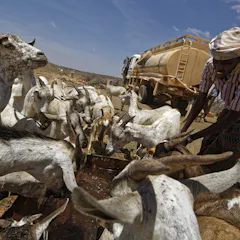
According to 2016 rankings, Somalia is the most fragile state in the world, worse off even than Syria. But there are reasons to believe things will improve.
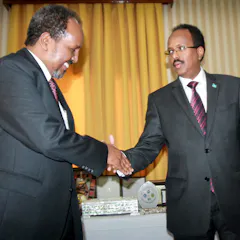
If Al-Shabaab maintains its hard stance, the possibility for dialogue will continue to be remote and Somalia’s government will be forced to intensify the war on terror through new strategies.
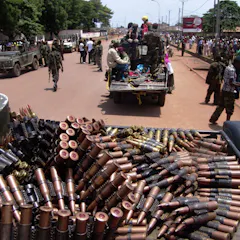
The failure of African states to adequately address their racial, ethnic, cultural, religious and economic differences provided the fertile ground on which rebel groups now prosper.
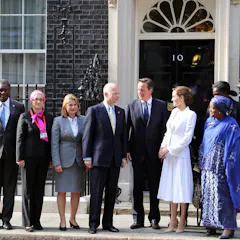
Governments come and go, but Britain’s Africa policy has long been a beacon of continuity.
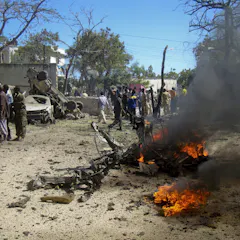
The terrorist attack on the Westgate shopping mall in Nairobi, Kenya, has come to an end now with five more terrorists killed and eleven in custody. The attack raises a number of questions over security…
Al Qaeda’s recent acquisition of the Somali militant group al Shabab as its newest franchise has been dismissed in some circles as a propaganda ploy, and a play for relevance by two groups on the decline…
Top contributors
-

Professor of African history, Queen's University Belfast
-
Professor of Political Science, Department of Political Studies and Governance, University of the Free State
-
Professor of International Security, University of Birmingham
-
Research Associate in Counter Terrorism at the United States Studies Centre, University of Sydney
-
Associate Professor of Political Science, Drake University
-
Associate Professor of International Relations, United States International University
-
Emeritus Professor, University of Cape Town
-
Professor of Political Science, Kansas State University
-
Professor of International Affairs, George Washington University
-
Professor of Political Science, Boise State University
-
Associate Fellow at the HORN International Institute for Strategic Studies and Professor of History and International Relations, United States International University
-
Professor in Development and Conflict, Durham University
-
Senior Lecturer, Political Studies and Governance, University of the Free State
-
Professor of Political Science, University at Buffalo
-
Professor of International Relations, Norwegian University of Life Sciences