
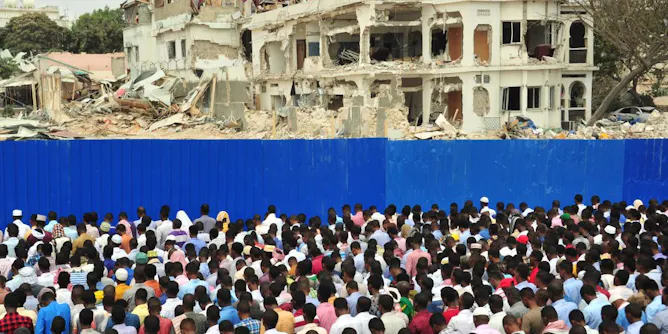
The death of Al-Shabaab’s leader triggered deadlier suicide bombings as the group desperately tried to demonstrate its resilience.
Articles on Al-Qaeda
Displaying 41 - 60 of 128 articles
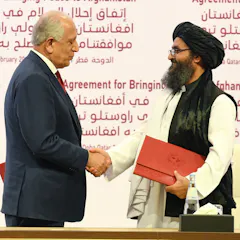
Many Afghans fear the landmark US-Taliban deal will not lead to peace without firm commitments from the Taliban to protect human rights and sever ties with terrorist groups.
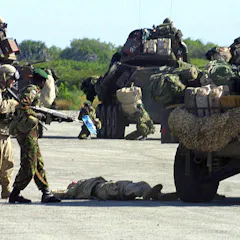
Declining US involvement in The Horn would leave a vacuum that others can fill.
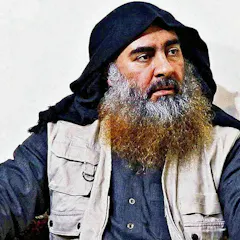
The Islamic State has appointed yet another ‘caliph’ after the death of Abu Bakr al-Baghdadi. What is the idea behind the caliphate?
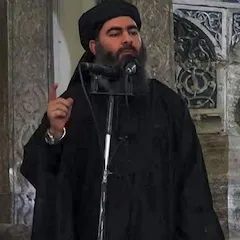
From US captive to head of Islamic State, the life of Abu Bakr al-Baghdadi, who died in Syria.

Organizations try to hide mistakes and evade responsibility, studies show. But two scholars analyzing militant and terrorist groups say they are willing to acknowledge their mistakes – sometimes.
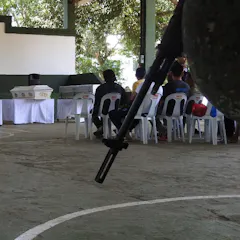
After a civil conflict, within five years the majority of modern peace agreements fail. What is causing these negotiated settlements to fall apart?

The absence of a strong government in Mali
allows jihadists to enter new areas and flourish.
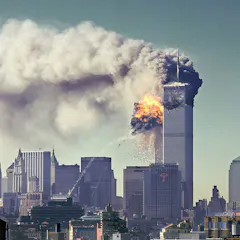
Though more consequences are likely to develop in the post-9/11 era, the war on terror, heightened government surveillance and Islamophobia are notable legacies of this early 21st century tragedy.
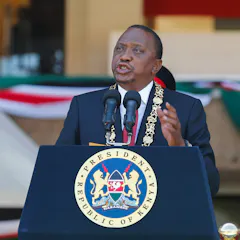
In many ways US-Kenya relations is in uncharted territory.
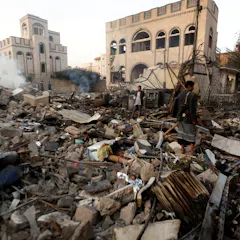
Yemen’s civil war is a stew of local and foreign interests, from Washington, Saudi Arabia to Iran. And the latest battle may cost the lives of hundreds of thousands of civilians, if not millions.
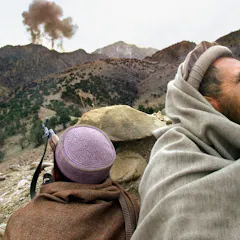
A strategy to shut down Taliban safe havens in Pakistan could bring the war to an end.

The term “social network” has become commonplace, but those who use it to designate Facebook or Instagram often ignore its origin and true meaning.

Raffaello Pantucci explains what lone-actor terrorism is, why it’s effective and why we seem to be seeing more attacks that aren’t clearly connected to terror networks in this long-form comic explainer.
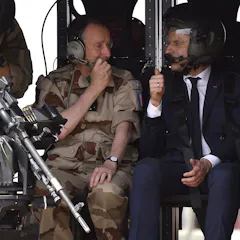
Some African countries present a facade of democracy. The absence of substantive democracy is contributing to instability on the continent.
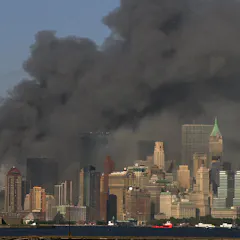
An unprecedented onslaught from the US hasn’t destroyed the terrorist organization. What is the secret of its resilience?
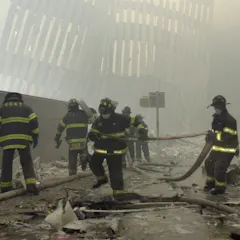
It’s been 16 years since the terrorist attacks of Sept. 11, 2001. Understanding what propelled al-Qaida’s attacks could help guard against further violence.
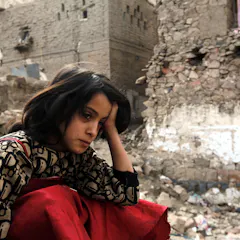
Child victims are used to justify the cause, while young soldiers further it.
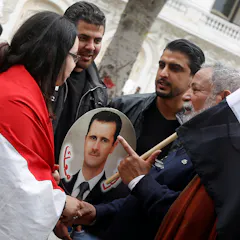
A case study from the height of the Crusades in the 12th and 13th centuries illustrates that even the most brutal leaders can choose to compromise for stability.

In the aftermath of Westminster, how much reporting was constructive and how much was simply publicity for terrorists?
Top contributors
-

Professor of Peace Studies, University of Bradford
-
Chair in Global Islamic Politics, Alfred Deakin Institute for Citizenship and Globalisation, Deakin University
-
Professor of International Security, University of Birmingham
-
Professor of International Relations, Norwegian University of Life Sciences
-
Professor of International Politics, Clinton Institute, University College Dublin
-
Research Fellow in Counterterrorism, George Washington University
-
Director of the Curtin Extremism Research Network (CERN), Curtin University
-
Professor in the Department of Government, University of Essex
-
Professor of Modern Middle Eastern History, University of California, Los Angeles
-
Professor of International Affairs, George Washington University
-
Visiting Research Professor, The Senator George J. Mitchell Institute for Global Peace Security and Justice, Queen's University Belfast
-
University of Portsmouth
-
Associate Professor, School of History and Philosophy, UNSW
-
Associate Professor in colonial and post-colonial studies, University of Birmingham
-
Sessional Academic, School of Social Sciences, Macquarie University