
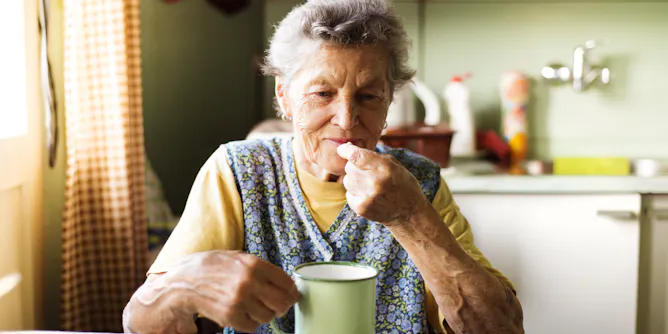
Taking low-dose aspirin daily doesn’t delay the onset of disability in healthy older people. Nor does it prevent heart attack or stroke in those who hadn’t experienced either condition before.
Articles on Ageing population
Displaying 41 - 60 of 109 articles

An ageing population doesn’t have to be an economic burden.

Politicians across the spectrum have at some point targeted immigration as a contributor to out-of-control population growth. But would reducing, or banning, immigration take pressure off cities?
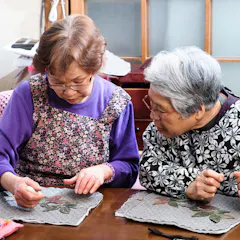
Japan has a big ageing population, and others are looking to it for answers in how to provide better care for the elderly.

Mandatory retirement ages are mostly a thing of the past in Australia. Removing the last vestiges of this practice is one way to address the problem of Australia’s ageing workforce.

Millions of older Australians live in houses that don’t safely meet their needs, but they’re not ready for a nursing home. Lack of suitable housing and the moving costs leave them with nowhere to go.
Population growth for growth’s sake (as a proxy for economic growth), without consideration for the demands this creates might actually compromise Tasmania’s economy.
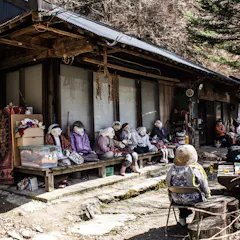
Across Japan, towns and villages are vanishing as the population ages and young people move to the cities. How the country manages this holds lessons for other developed nations facing a similar fate.
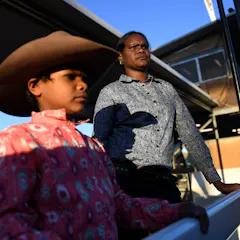
Looking past the headline Census figures, we see divergences between rural and urban Indigenous populations, and the young and old.
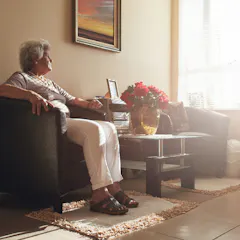
Living and dying alone presents many challenges for cities, and we’ll need more than technology to meet these. Only an inclusive, innovative response can deliver the essential element of human care.
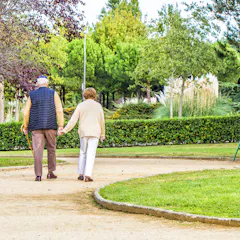
Our ageing population presents several social and economic challenges, particularly for the health sector. Physical activity can tackle many of these.

Smart city thinking makes good use of rapidly developing technology to help make cities work better, easier-to-navigate, safer, healthier and more enjoyable places to live.
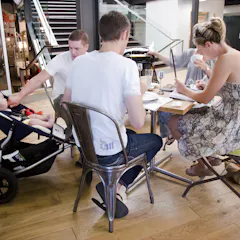
Australia will be left behind without adequate planning and preparation on fertility issues.

The promotion of home ownership as a way of funding care in later life is part of a broader policy trend toward making people individually responsible for the opportunities they have.

Selecting immigrants on points is likely to result in them being healthy, or at least healthy enough for them not to put much strain on our exhausted health systems.

Considering all the aspects of life in Australia that are affected by population, it’s remarkable that the nation doesn’t have a national policy on it.

As the population ages, Australia needs a new way of funding aged care. Insurance could be the answer.

Several key aspects of public open space can encourage older people to get out and about. And badly designed and maintained facilities have the opposite effect and can harm their wellbeing.
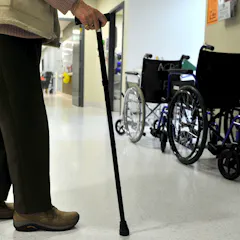
As our population ages and life expectancy increases so does the need for comprehensive health and care services for older people.

Companies that care about the bottom line will have their attention divided between profit and patients.
Top contributors
-

Honorary associate professor of economy and society, Macquarie University
-
Associate Professor, Geography and Urban Studies, Western Sydney University
-
Professor in International Social Policy, University of Southampton
-
Professor of Sociology and Founding Director of The Future of Work Lab, Podcast at MissPerceived, The University of Melbourne
-
Professor of Housing & Social Policy, HHAUS Housing, Homelessness & Urban Studies, Swinburne University of Technology
-
Associate Professor and Discipline Lead Property, Curtin University
-
Professor of Social Science and Public Policy, Hong Kong University of Science and Technology
-
John Curtin Distinguished Professor, Curtin University
-
Demographer, POLIS Centre for Social Policy Research, Australian National University
-
Senior Research Fellow and Deputy Unit Head, Twins Research Australia and MyBRISK Centre of Research Excellence in Breast Cancer Risk; Melbourne School of Population & Global Health, The University of Melbourne
-
Professor of Healthy Ageing, Australian Catholic University
-
Professor in Organisational Behaviour & Human Resources, University of Hull
-
Adjunct Senior Lecturer, School of Social and Policy Studies, Flinders University
-
Newcastle University
-
Professor and Head of the Department of Banking and Finance, Monash University