
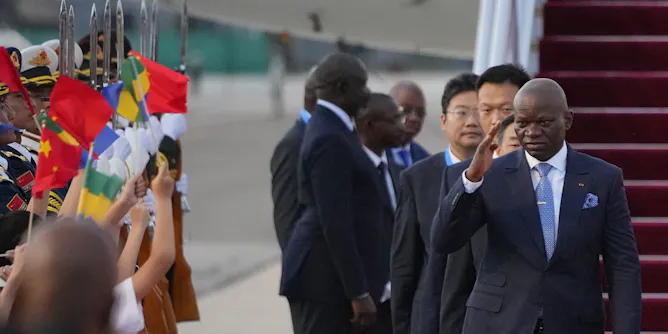
The African private sector must play a more active role in advocating for the continent’s interests in discussions with China, the world’s second largest economy.
Articles on Africa's economy
Displaying 1 - 20 of 30 articles
The past eight Forum on China-Africa Cooperation summits, since 2000, have not resulted in mutual gain, particularly in trade and industrialisation for Africa.

Washington’s protectionist industrial policy is fracturing trade and investment flows based on geopolitical considerations.
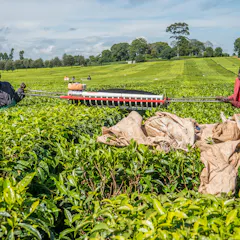
Average farm machinery use in Africa is among the lowest in the world.
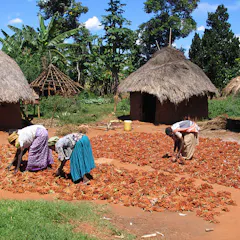
Lowering spatial inequalities can reduce economic and social inequities.

The AU’s first two decades have largely represented a magical, mystical world of unfulfilled expectations.

It’s still fashionable today to promote tech startups and tech hubs based on models from the global north. But new, alternative and more sustainable models might be emerging.
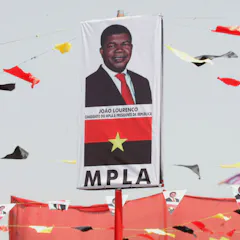
The MPLA is using all instruments at its disposal to hobble a new united opposition front ahead of the Angola election.
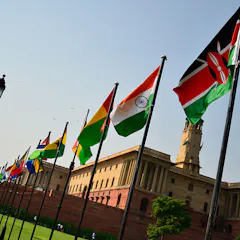
A new book places the responsibility of African growth on its leaders, people, and civil society, while also recognising the role partners like India can play in achieving its goals.
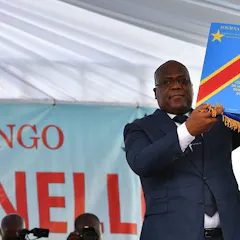
The admission of DRC will extend the East African Community bloc’s reach to the Atlantic Ocean.
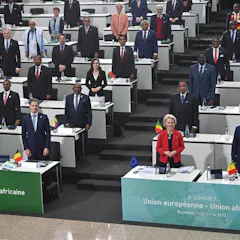
Bolder action is needed if the African Union and the European Union are to find common ground on migration.
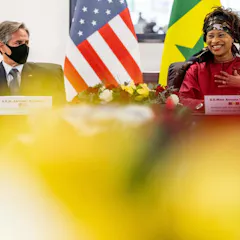
African countries should adopt measures that strategically play rivals against each other. They should implement long-term strategies and domestic policies for dealing with strategic partners.
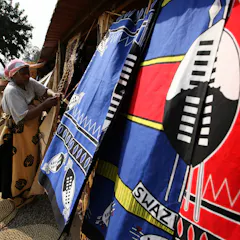
International borders were negotiable for the right price. What residents of former ‘homelands’ and of Lesotho and eSwatini have in common now are limited government services and few job prospects.
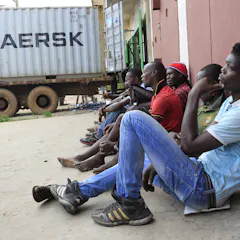
Since 1999, extreme poverty has declined while rates of young people in education and employment have risen. Without investment though, the impact of the pandemic could see this progress imperilled,
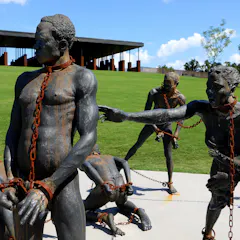
The turn towards authoritarianism, xenophobia and racism in Western democracies makes it unlikely that former Western slave-trading nations will agree to reparations in the near future.
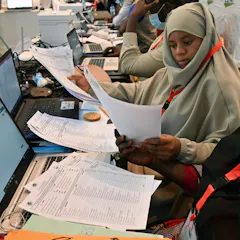
Although Niger’s quest for entrenching democracy is a good development, poverty and insecurity are obstacles.
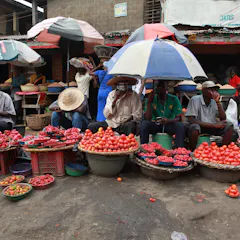
The continued entrapment of African countries in the global circuit of capital and its proclivity to large scale accumulation imperils the ability of many to cope with the pandemic.
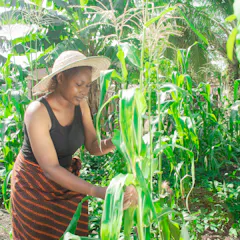
Africa is far from having an ageing farming population. What is missing is a critical mass of skilled, young farmers with access to finance who could drive productivity in farming.
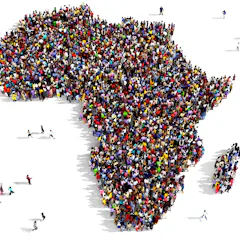
The gap between the continent’s most democratic and authoritarian regions is likely to continue to grow.
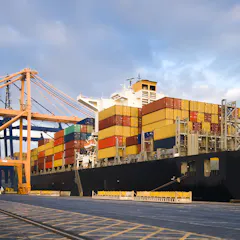
African policymakers should strenuously safeguard their right to choose from the widest possible range of technology options that suit their countries’ development needs.
Top contributors
-

Professor of Political Science, Department of Political Studies and Governance, University of the Free State
-
Senior Lecturer in Anthropology, University of Johannesburg
-
Associate Professor of Technology and Operations Management, University of the Witwatersrand
-
Head: Wits School of Governance, University of the Witwatersrand
-
Honorary Research Associate, University of Cape Town
-
Professor of History, University of Limpopo
-
Reader in Development Economics, University of Manchester
-
SNF Eccellenza Professor, University of Basel
-
Visiting professor, Strathmore University
-
Associate, Harvard University Asia Center, Harvard Kennedy School
-
Professor of Strategy and Innovation, University of Sussex Business School, University of Sussex
-
Senior lecturer in global studies, School of Education and Communication, Jönköping University
-
Lecturer in Economics, University of Venda
-
Professor Emeritus, Department of Political Science, Wilfrid Laurier University
-
Professor of International Relations and Visiting Scholar, Texas State University