
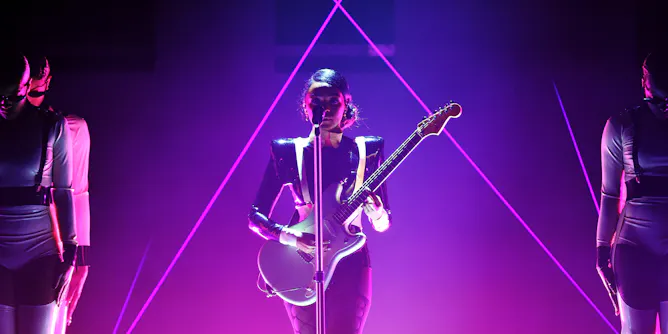
Even though Afrofuturist works are set in fictional worlds, they provide a blueprint for social, political and economic systems free from exploitation and oppression.
Articles on African Americans
Displaying 61 - 80 of 333 articles
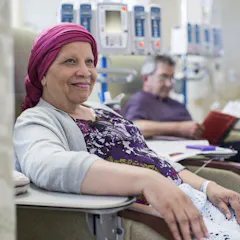
Belonging to one or more groups with long-standing social and economic disadvantages increases the risk of cancer diagnoses and death.

As the comment period begins for the FDA’s proposed ban, public health experts explain the stakes.
As the world locked down and a country’s racial reckoning heated up, this social scientist refined her approach to studying the lives of Black moms.
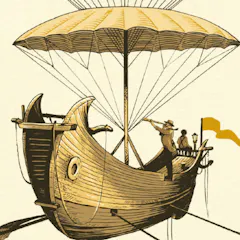
Stories about alternative worlds can be a powerful way of critiquing the problems of our own world.
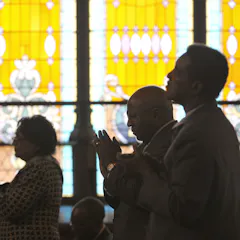
More houses of worship are offering mental health programs, especially African American congregations.

Black Americans’ contributions to some of the country’s most iconic dishes and spirits are finally starting to be recognized in the media and in museum exhibitions.

When gay men were confronted about writing ‘no Blacks’ or ‘no Latinos’ on their profiles, many of them became defensive.
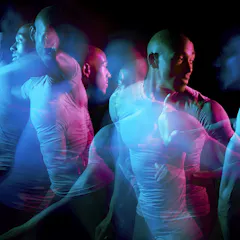
In choreography, the gray areas of copyright law make it difficult to determine what constitutes copyright infringement or plagiarism.
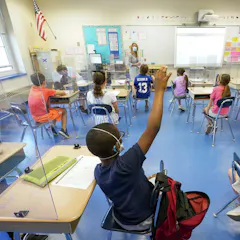
New state laws in the US banning teaching about systemic racism raise the question: Does the Constitution protect public school teachers’ right to choose how and what to teach?
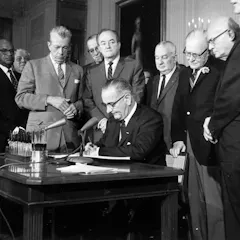
A scholar of race and racism explains what critical race theory is – and how many people get it wrong.
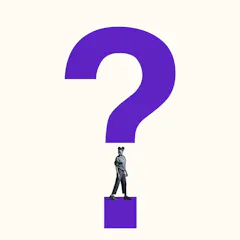
For over a century, Black activists have used punctuation marks to subtly challenge official accounts of events.
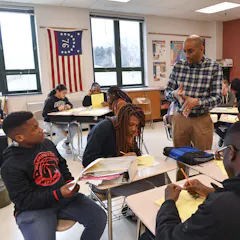
Few issues are as difficult to deal with in the classroom as slavery in the US. Here, a professor who trains teachers on how to present the topic offers some insights.
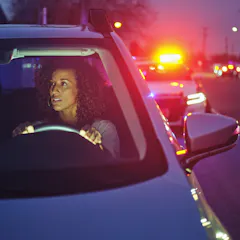
Driver’s license suspensions increase the probability that Black – but not white – drivers incur more traffic tickets, even after the debt is paid, research shows.
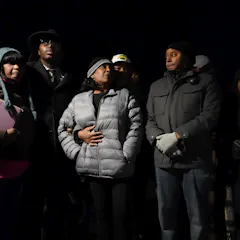
Evidence shows that many Black Americans experience police killings of unarmed Black people – even those they do not know – as traumatic events, causing acute physical and emotional distress.

Director Barry Jenkins’ delicate dance with beauty and suffering seeks to create a fuller picture of the world Black Americans – then and now – inhabit.
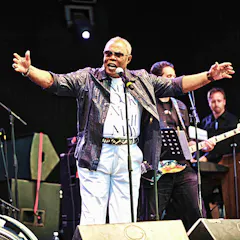
There is a history of exploiting Black musicians in the United States that dates back to slavery. But movements like Black Lives Matters are working towards economic justice.
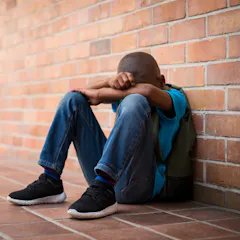
If teachers don’t accept the challenge of proactively educating children about racist language, young people may not understand its hurtful impact. And they may take this ignorance into adulthood.
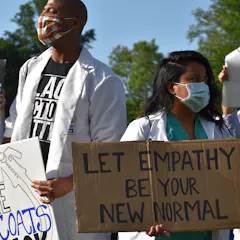
Black Americans have worse health outcomes by many measures. To draw attention to that fact, the CDC and communities across the country have called racism a public health threat.

There’s a divergence in how a trial is conducted, what rules govern it – and the larger issue of racial justice. That divergence affects the legitimacy of any verdict.
Top contributors
-

Professor of Journalism, Indiana University
-
Canada Research Chair, Professor in Performance, Toronto Metropolitan University
-
Derek H. Alderman is a Friend of The Conversation.
Chancellor's Professor of Geography, University of Tennessee
-
Samuel J. and Augusta Spector Professor of History and African and African American Studies, Brandeis University
-
Professor of Political Science, LaGrange College
-
Professor of Social Work, Michigan State University
-
Associate Professor of Hip-Hop, University of Virginia
-
Professor of Geography and Senior Research Associate in the Rock Ethics Institute, Penn State
-
Professor of History, Morehouse College
-
Associate Professor of Communications, Elon University
-
Professor of American History, University of Colorado Colorado Springs
-
Associate Professor of History, University of South Carolina
-
Honorary Professor of International Relations, University of the Witwatersrand
-
Managing Director of the McCourtney Institute of Democracy, Associate Research Professor, Political Science, Co-host of Democracy Works Podcast, Penn State
-
Professor of Religious Studies, Michigan State University