

Disability has been called the world’s largest minority and is a group any person can join at any time in their life. It befits us all to dismantle discrimination.
Articles on Ableism
Displaying 21 - 36 of 36 articles
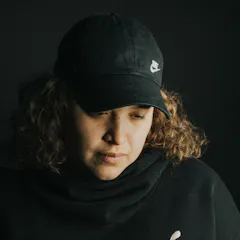
While each microaggression may not seem particularly harmful, they add up and can erode the psychological and physical health of people in minority groups.

The war on straws is an example of ‘eco-ableism’ – when environmental measures create an extra burden on people with disability.

Language used to speak about disability changes over time, and preferences shift due to advocacy and allyship, legal proceedings and empirical research.

Proctoring software is a symptom of a bigger problem: universities see themselves as businesses and students as customers.

Deaf people from different parts of the world can have different accents, whether they speak, sign or both.

The government has decided it’s time for Australia to open up and get “back to normal.” This has made life more dangerous for vulnerable groups such as First Nations people.

Research suggests that expanded access to MAiD tends to benefit people with wealth and privilege, offering them choices and autonomy. At the same time, it puts marginalized people at risk.

The devastating effect COVID-19 has had on disabled people globally goes far beyond health issues
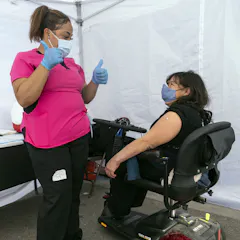
Using an intersectional approach will help bring visibility to diverse disability communities and provide the support they need to be safe, recover and rebuild their lives.

Expanding access to medical assistance in dying (MAID) to those not terminally ill puts vulnerable people at risk of feeling pressured into MAID, and doctors at risk of being forced to facilitate it.

Our health-care system is fraught with paternalistic attitudes toward the capabilities of people with disabilities. Capacity assessments raise important issues about consent, autonomy and agency.

The stigma that dehumanizes people living with dementia is reflected in the toll of COVID-19 in long-term care. Reforming long-term care must challenge this stigma with a new ethic of care.
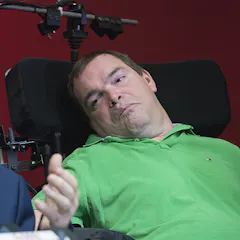
One judge must not be allowed to curtail parliament’s power to promote broader societal interests and protect people who are elderly, ill and disabled.

Two university professors explore their unlikely longtime friendship, providing lessons for parents of both “abled” and disabled children today.
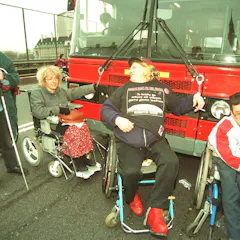
New research has found the UK parliament is fraught with institutionalised ableism
Top contributors
-

Associate Adjunct Professor of Disability Ethics, John Dossetor Health Ethics Centre, University of Alberta
-
ARC Future Fellow, Inclusive Futures Centre, Griffith University
-
Vice Chancellor's Principal Research Fellow, RMIT University
-
Professor, Director, Griffith Inclusive Futures, Griffith University, Griffith University
-
Associate Professor, Department of Educational Studies, University of British Columbia
-
Research Fellow, Dignity Project, Griffith University
-
Sessional Lecturer, Faculty of Education, University of Manitoba
-
Scholarly Fellow, Disability and Community Inclusion, Flinders University, Flinders University
-
Associate Professor in Marketing, DCU, Dublin City University
-
Division Chair & Associate Professor of Palliative Medicine, Queen's University, Ontario
-
Lecturer in Deafness, Cognition and Language, UCL
-
Director of Indigenous Engagement - Curtin University, Indigenous Knowledge
-
PhD Candidate in Access to Healthcare for Autistic Adults, Cardiff University
-
Professor of Psychiatry, University of Toronto
-
Professor, Disability and Community Inclusion, Flinders University