
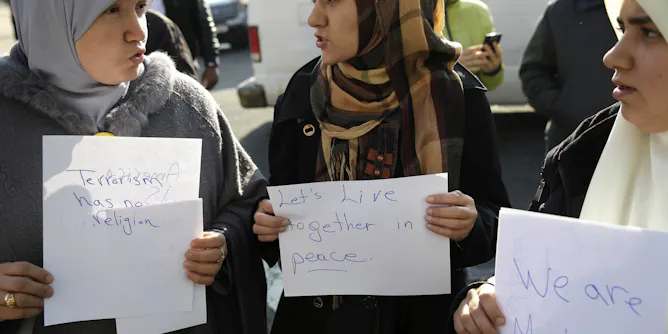
FBI data show that in 2015 anti-Muslim hate crimes spiked to the highest level since 2001. A scholar finds political rhetoric correlates to both sharp increases and decreases in hate crime.
Articles on 9/11 (September 11)
Displaying 121 - 140 of 185 articles
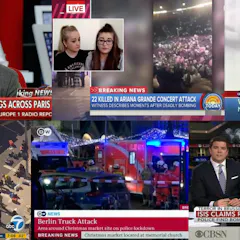
Terrorist attacks are more than ‘breaking news,’ but the media aren’t taking a comprehensive approach to exploring the underlying issues.
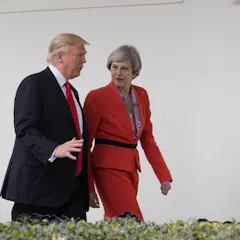
While this latest storm over intelligence sharing is far from unique, the leaks into the Manchester attack investigation are of a different order.
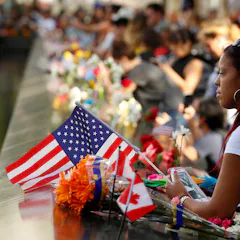
Data on violent incidents in the US reveal that our focus on Islamist extremism since 9/11 may be misguided.
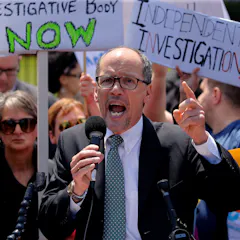
Research on more than 50 government investigations reveals how partisanship can get in the way of finding answers we all agree on.
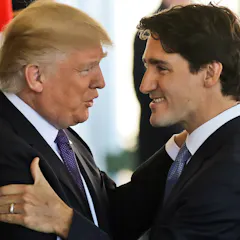
Can Canada manage to keep up trade while also meeting US expectations for a safe border?
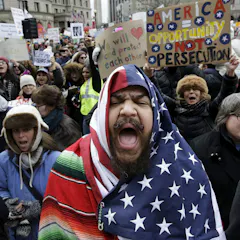
This isn’t the first time the US has banned people based on nationality. History shows these exclusions have put our national security at risk and caused rifts with foreign allies.
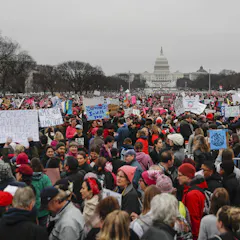
Inaugural weekends are snapshots of the cultural and political zeitgeist. How did this year’s compare to those from 2009 and 2005?
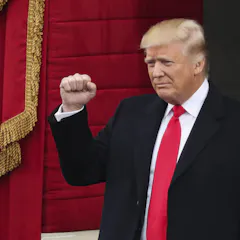
Is Trump correct in asserting that NATO has outlived its utility? Or that NATO’s members enjoy a ‘free ride’ on the back of the US? A political scientist examines the evidence.
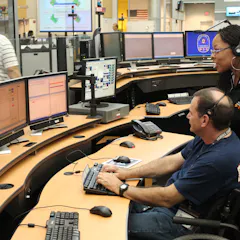
‘Denial of service’ cyberattacks are increasingly used to shut down websites. New research reveals that 911 call centers are vulnerable to the threat as well.

If police officers are sent to museums to train observational skills, shouldn’t literary texts be used to teach empathy?
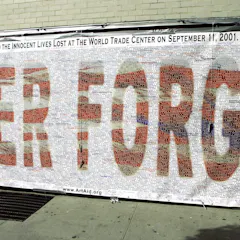
The effects of terrorism on businesses are wide ranging but some are learning how to adapt to risk and use it to their competitive advantage.
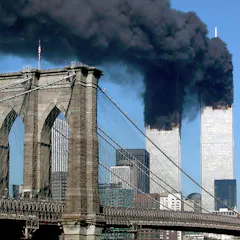
What we and other responders learned that day would go on to spark major changes in U.S. emergency response efforts.
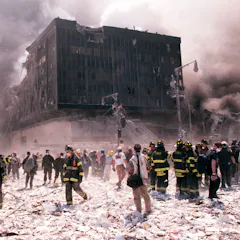
Scarred by disastrous wars and thousands of deaths caused by terrorism, the world is still reeling from the events of September 2001.
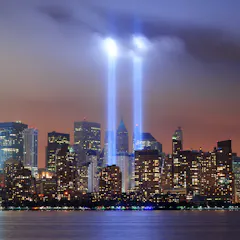
The debates surrounding the 9/11 novel have been as informative as the novels themselves.

We may feel like flashbulb memories of dramatic events are more accurate than ordinary memories, but are they really? An experiment begun Sept. 12, 2001 sheds light.
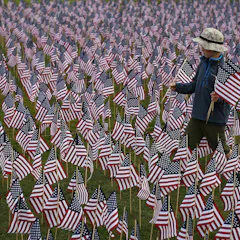
Even indirect exposure to the terrorist attacks of September 11 has left profound and deep impact on those too young to remember a world before that.
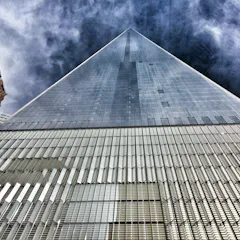
Tragedies involving building collapses prompt structural engineers to figure out what happened, and how to prevent it from recurring.

Are terrorist attacks also an implicit design critique of our urban landscape? An architect and urban designer suggests we can fight terrorism by not building obvious targets.
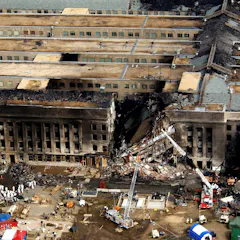
The National Incident Management System (NIMS), created after 9/11, has helped government agencies respond to large-scale emergencies, including mass shootings and the Boston Marathon bombing.
Top contributors
-

Chair in Global Islamic Politics, Alfred Deakin Institute for Citizenship and Globalisation, Deakin University
-
Professor of Music, Culture and Society, City St George's, University of London
-
Professor in The Division of Global Affairs and The Department of Political Science, Rutgers University - Newark
-
Assistant Professor of Criminal Justice, Seattle University
-
Professor of Criminal Justice, Michigan State University
-
Assistant Professor of Justice, Law & Criminology, American University School of Public Affairs
-
Professor of Political Science, Coastal Carolina University
-
Professor of History, University of Dayton
-
Principal Research Fellow, School of Engineering, RMIT University
-
Associate Professor and Director of the Terrorism Research Center, University of Arkansas
-
Professor of Criminal Justice, City University of New York
-
Lecturer in Contemporary Literature and Culture, Edinburgh Napier University
-
Professor of War Studies, University of Nottingham
-
Glenn Family Chair Emeritus of Economics and Philanthropic Studies, Indiana University
-
Senior Lecturer in Politics and International Relations, University of Notre Dame Australia