
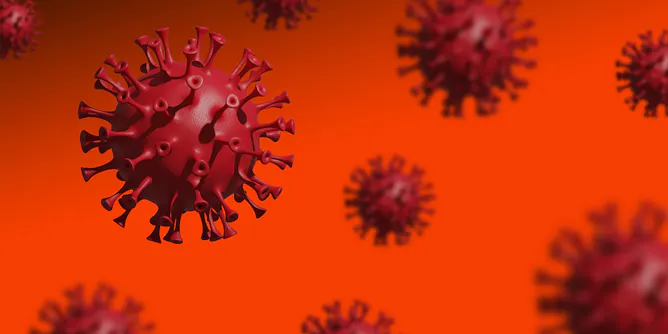
Pathogens typically face a trade-off between virulence and transmission. But that’s not the case with SARS-CoV-2.
Articles on 2019-nCoV
Displaying 1 - 20 of 66 articles
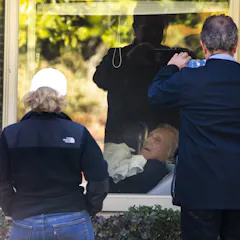
Nursing homes in the U.S. are not ready to care for coronavirus patients. Things need to change – fast.

Emphasizing foreign origins of a disease can have racist connotations and implications for how people understand their own risk of disease.
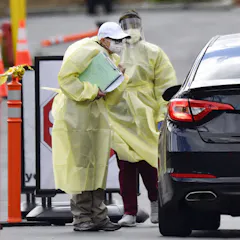
Our government, suggest the authors, risks traumatizing its citizens with its failure to slow the spread of COVID-19.

During the COVID-19 pandemic, sexual activity may pose risks of transmission. A sex researcher shares information on how sex relates to the current pandemic, and how to prevent transmission.

The immune system can respond to stress in ways that harm health. But there’s a stress-buster that can help keep you calm and healthy: exercise.
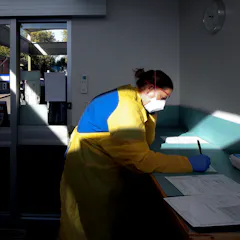
Aboriginal people are at greater risk of severe illness from COVID-19 than non-Aboriginal people. But plans to protect remote communities and keep the virus out are progressing too slowly.
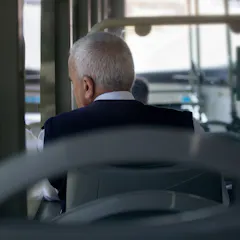
The death rate from coronavirus starts to increase for those aged 50 and over and rises to almost 15% for over-80s.
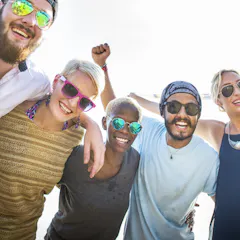
Touch is essential to wellbeing, so we must make an effort not to associate it with negative feelings once the corona outbreak is over.

Non-essential mass gatherings of 500 people or more are banned from today. Here’s why that’s a good idea.

The US has public health agencies at the federal, state and local level. The spread of coronavirus is putting those agencies in the spotlight. What roles does each play and how are they coordinated?
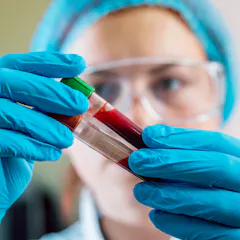
Coronavirus cases are slowly rising in Australia. We have a good system of testing possible cases and surveilling the population for people who don’t know they have it. But there’s more we could do.
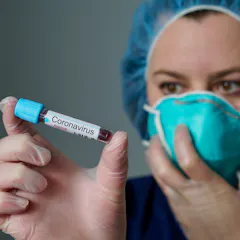
COVID-19 has now been confirmed in New Zealand in one case, but as yet, there is no evidence of transmission to others. Pandemic planning is focused on keeping the novel coronavirus out.
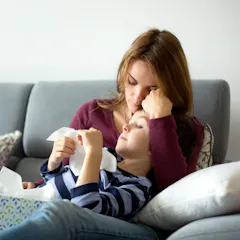
Children who get the coronavirus often show mild symptoms and some have none at all. But they can still carry and transmit the virus.
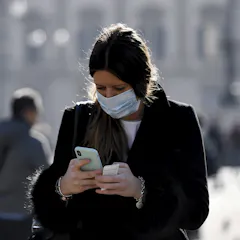
By providing users with pertinent and reliable disaster-related information, Twitter has the potential to reduce the impact of a disaster. So why aren’t public organizations using it properly?

Large-scale adoption of simple, individual actions — like disinfecting our germ-laden phone screens — can limit the ability of COVID-19 to get a foothold.

Quarantine measures on the Diamond Princess cruise ship weren’t effective, suggests new data. So Australian passengers without symptoms are going into quarantine again.

US researchers have revealed the molecular ‘key’ that allows the 2019-nCoV virus to gain access to our cells. And they found it is many times more tenacious than the previous SARS virus.
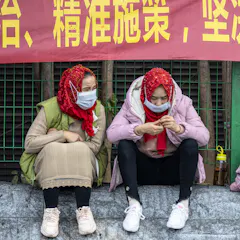
China needs to tell the world what is going on in its detention camps in the Xinjiang Uighur Autonomous Region.
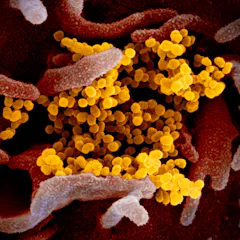
While identifying a new disease by its place of origin seems intuitive, history shows that doing so can have serious consequences for the people that live there.
Top contributors
-

Professor of Public Health, University of Michigan
-
Virologist, The University of Queensland
-
Assistant Professor of History, University of Pittsburgh
-
Senior Lecturer and Coordinator, Health and Medical Humanities, University of Sydney
-
Assistant Professor of Epidemiology and Biostatistics, University of Nevada, Las Vegas
-
Professor of Infectious Diseases, Monash University
-
Adjunct Associate Professor, Faculty of Medicine
-
Professor, University of Waterloo
-
Professor of Global Biosecurity, NHMRC L3 Research Fellow, Head, Biosecurity Program, Kirby Institute, UNSW
-
Professor of Consumer Psychology, Anglia Ruskin University
-
Director of the National Institute for Health Research (NIHR) Health Protection Research Unit in Emerging and Zoonotic Infections, and Professor of Neurology, University of Liverpool
-
Professor of Biomedical Sciences and Vice President for Research, Colorado State University
-
PhD, Behavioural Neuroscience, Concordia University
-
Professor of Marketing and Product Innovation, Brock University
-
Professor of Biomedical Sciences, Colorado State University