
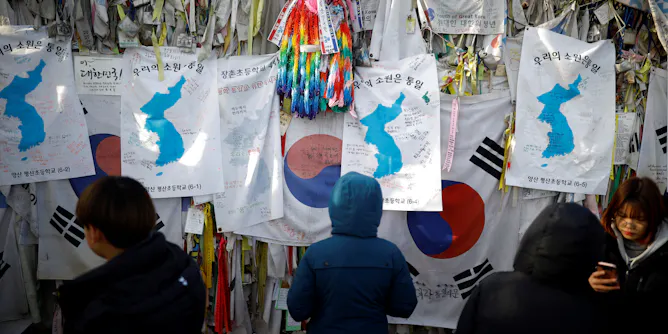
Whichever way you cut it, a US first strike against North Korea would almost certainly trigger major war on the Korean peninsula, with a high risk of escalation to full-scale nuclear conflict.
Articles on 2018 PyeongChang Winter Olympics
Displaying 61 - 70 of 70 articles
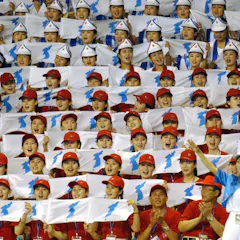
A delicate truce between North and South Korea has been reached in the run up to the Winter Olympics. It’s a high profile win for an event which is struggling to remain relevant.
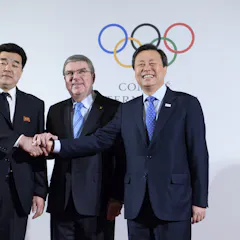
In a sporting diplomatic coup, North and South Korea will march under a unified flag at Pyeongchang 2018.
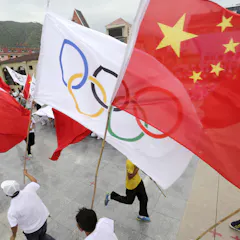
Sporting extravaganzas are a way for globalising cities in emerging market economies to try and play the “modernity game”. But they don’t make the rules, and so they can never “win”.
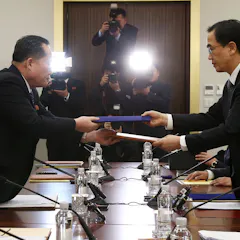
North Korea sending a delegation to this year’s Winter Olympics in South Korea may be a global shadow puppet show – or it might help thaw the frozen relations between the two countries.

Since the 1970s, several Asian countries, such as China, Japan, and South Korea, have strongly increased their influence in the Olympic movement.
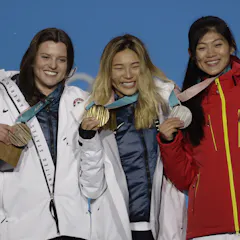
Whether it’s items in a shop, potential speed-dating matches or athletes competing one after another, the order in which they’re presented affects our judgments.
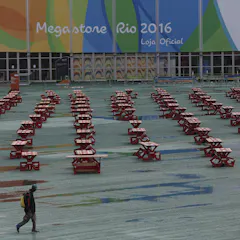
Instead of showcasing a rising global power with a booming economy, the 2014 Games put a spotlight on Brazil’s most serious economic recession since the 1930s, along with a host of social problems.
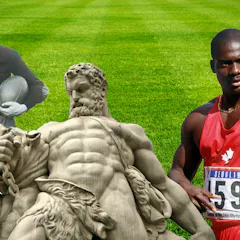
In sports, what’s considered fair play has changed throughout history. At one point, even looking ‘too poor’ was grounds for exclusion.
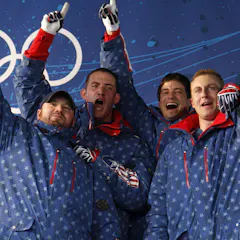
A former Olympic gold medalist reflects on his own financial struggles as he trained and competed for the 1984 Games. Decades later, not much has changed for many Olympians.
Top contributors
-

Assistant Professor, School of Media, Toronto Metropolitan University
-
PhD Candidate, Victoria University
-
Head Of Department in Department of Sport & Event Management, Bournemouth University
-
Emeritus Professor of Cultural Research, Institute for Culture and Society, Western Sydney University
-
Associate Professor of Sport Management, Bond Business School, Bond University
-
Professor of Sport and Exercise Psychology, West Virginia University
-
Lecturer in Sport Management, University of Stirling
-
Professor of Sports Law, Melbourne Law School, The University of Melbourne
-
Senior Lecturer in Sport and Leisure Policy, University of Edinburgh
-
Senior Lecturer in Events Management, University of Brighton
-
Associate Professor of Classics, University of Winnipeg
-
Associate Professor of Mechanical Engineering- Materials and Solid Mechanics, University of Maryland, Baltimore County
-
Associate Professor, Faculty of Business, Government and Law, University of Canberra
-
Professor of Physiology, Columbia University
-
Senior Lecturer, Modern European History and Sports History, Macquarie University