
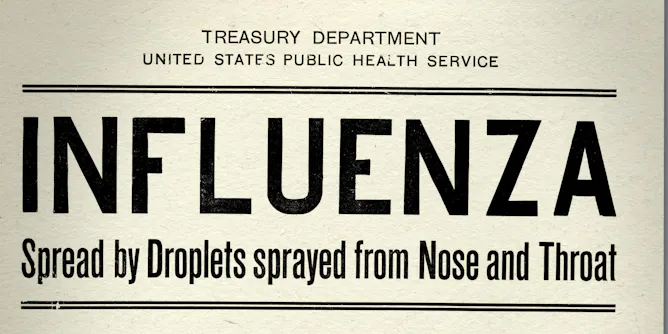
How politicians and the public in Denver, Colorado handled the 1918 flu epidemic is relevant to today.
Articles on 1918 flu pandemic
Displaying 21 - 40 of 45 articles
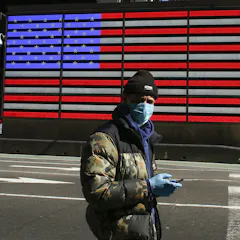
The recent spike in new coronavirus cases in the US is not due to a second wave, but simply the virus moving into new populations or surging in places that opened up too soon.
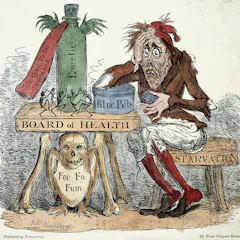
Pandemic histories are useful for understanding COVID-19, but how they connect with race, public health, revolution, labour and colonialism are needed to explain the present and predict the future.
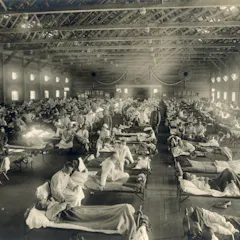
A century ago, the influenza pandemic killed about 50 million people. Today we are battling the coronavirus pandemic. Are we any better off? Two social scientists share five reasons we have to be optimistic.
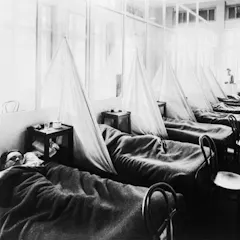
PODCAST: The third part of a series from The Anthill Podcast on how the world recovered from major crises throughout history focuses on the recovery after 1918.
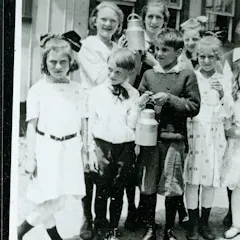
School systems realized that they couldn’t deal with the pandemic on their own.
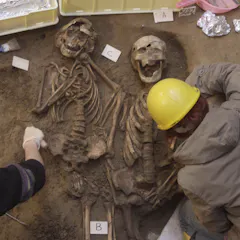
People have lived with infectious disease throughout the millennia, with culture and biology influencing each other. Archaeologists decode the stories told by bones and what accompanies them.
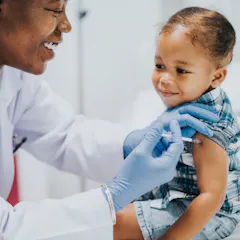
Children may have fallen behind on their vaccination schedules during the pandemic, increasing the risk that COVID-19 may be followed by outbreaks of once-eradicated diseases.
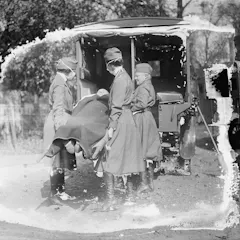
Differences in the viruses’ biology and societal contexts mean there’s no guarantee today’s pandemic will mirror the ‘waves’ of infection a century ago.
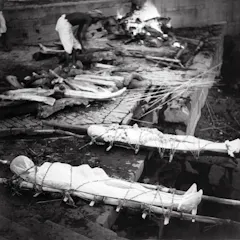
When the 1918 influenza pandemic struck India, the death toll was highest among the poor.

The Stanley Cup hockey finals were cancelled mid-series in 1919 because of the flu pandemic. Unlike a century ago, the NHL has put player health ahead of profit when dealing with the coronavirus pandemic.

Restaurants have always been about more than feeding city residents. During the 1918 flu pandemic, they were kept open as sites of social solidarity.
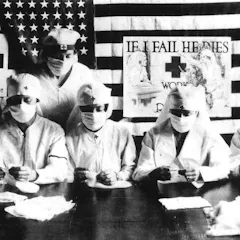
The so-called ‘Spanish flu’ didn’t actually come from Spain. What else do people often misunderstand about this famous crisis?
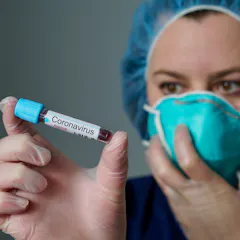
COVID-19 has now been confirmed in New Zealand in one case, but as yet, there is no evidence of transmission to others. Pandemic planning is focused on keeping the novel coronavirus out.
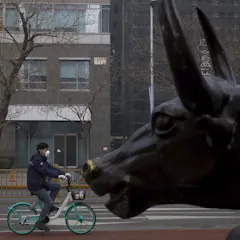
An economist explains how a virus like COVID-19 could disrupt the US economy – and why it’s too soon to freak out just yet.
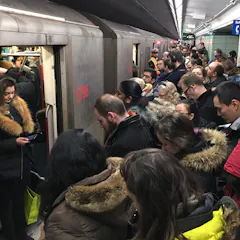
Large-scale adoption of simple, individual actions — like disinfecting our germ-laden phone screens — can limit the ability of COVID-19 to get a foothold.
The 1918-1919 flu claimed millions of lives worldwide. Could it also have given birth to the viral zombie?
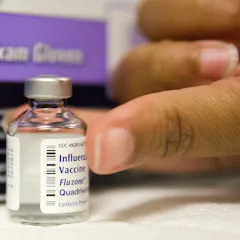
The flu shot is most effective if you receive it by the end of October. With 80,000 deaths from flu during last year’s flu season, a doctor explains why you should act now.

No one then knew a virus caused the 1918 flu pandemic, much less that animals can be a reservoir for human illnesses. Now virus ecology research and surveillance are key for public health efforts.
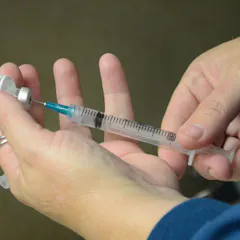
The 1918 flu pandemic has long puzzled those who study disease outbreaks. Why was it so severe? While that question is hard to answer, one thing is certain: Vaccines would have lessened the toll.
Top contributors
-

Assistant Director of the Center for the History of Medicine, University of Michigan
-
Assistant Professor of History, University of Pittsburgh
-
Pediatric Infectious Diseases Fellow, University of Pittsburgh
-
Chancellor's Professor of Medicine, Liberal Arts, and Philanthropy, Indiana University
-
Associate Professor of History, Rutgers University - Newark
-
Assistant Professor of Epidemiology and Biostatistics, University of Illinois Chicago
-
Professor of Film Studies, Bangor University
-
Research Fellow, American University School of Public Affairs
-
Assistant Researcher at the School of Arts, Culture and Language, Bangor University
-
Professor of Linguistics, Bangor University
-
Emerita Professor, Pharmacology and Toxicology, Dartmouth College
-
Professor of Infectious Disease and Global Health, Cummings School of Veterinary Medicine, Tufts University
-
Associate Professor, Infectious Diseases, University of Florida
-
Associate Dean For Global One Health, College of Veterinary Medicine & Biomedical Sciences; and Director, Pandemic and Biosecurity Policy Program, Scowcroft Institute for International Affairs, Bush School of Government and Public Service, Texas A&M University
-
Research Assistant in Media Communications and Critical Discourse Analysis, Bangor University