

Government critics say changes to health insurance rebates will strain the public health system. But the evidence shows the impact might not be what you think.
- Professor of Health Economics, The University of Melbourne

New research shows what happens if the extra health insurance rebate for over-65s is scrapped, as planned. Here’s why the sky won’t fall in.

In an emergency, you can’t always use your private health insurance. And even if you do, you can face these out-of-pocket costs.

A ‘no gap’ private health arrangement sounds great, but you may not be able to choose your specialist. Here’s what else you need to know.

Knowing in advance what your specialist will charge is a good step forward. But we need fairer fees to start with.

Unlike other comparable nations, specialists in Australia can charge what they like. But higher fees don’t necessarily mean better care.

Research shows exactly how entire families adjust when a partner’s sick.
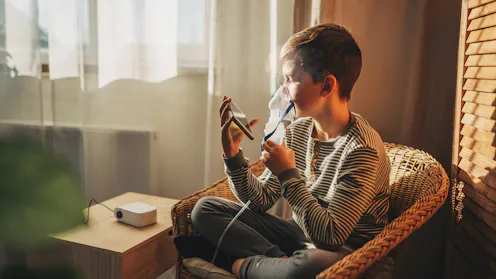
Private health insurers want to fund more out-of-hospital care. Here’s why that’s such a problem.

Here’s what you need to know about the different types of cover. And if your claim is rejected, what to do next.

More private hospitals will face similar financial troubles and some will be forced to close. Here’s what this means for patients, the public system and the budget.

Specialists’ fees are high, vary across specialties and across geographical regions. And you can search for who’s charging what near you.

Australians are waiting longer and longer for their first psychiatry appointment, especially outside major cities.

The evidence suggests there’s benefit to getting those on higher incomes to contribute a small amount to the cost of seeing a GP.
Health care is universal in Australia, but this doesn’t mean seeing a doctor is always free.

Some private health insurers are offering their members easier access to GP telehealth services, sometimes for free.
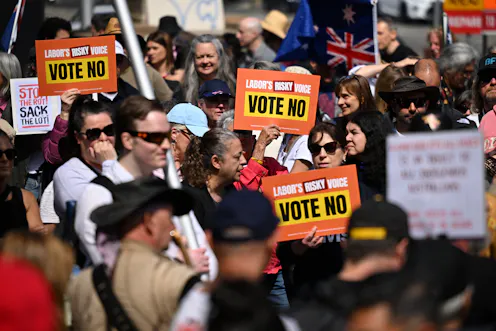
Indigenous Australians living in areas with stronger opposition to the Voice have poorer health and are less likely to access health care.
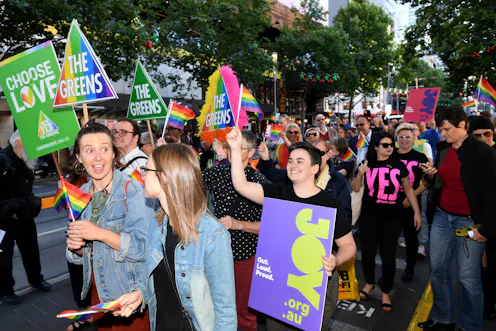
Our new study is a reminder of how stigma and the stress that comes with it can have long-term consequences for people’s health.

The aim is to make health care affordable and sustainable. Our new research shows how.

We found rebates don’t do much to encourage older people to sign up for private health insurance.
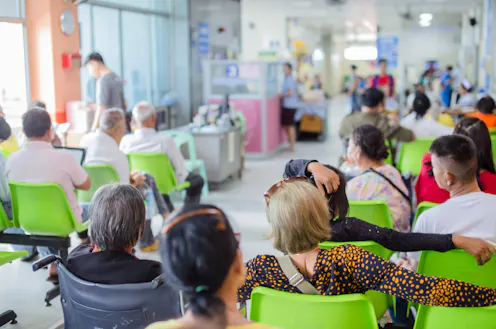
Governments spend billions of dollars every year to encourage us to take up private cover. But our research shows this does little to reduce pressure on the public system.

People on higher incomes without private health insurance don’t seem to be swayed by financial incentives, our research shows.

The government has missed a chance to better target cost cuts to certain patient groups, for certain medical conditions, and for generic drugs.

Changes in the latest federal budget will mostly affect people who need multiple medicines throughout the year, perhaps for chronic disease. But there are other ways to reduce drug costs.
Examining the records of 2,900 nursing homes we’ve found no evidence that where there’s more competition there’s better care or lower prices.

It can be hard to work out what calculations to make when deciding on private health. So we asked a health economist to break it down.
Contact Yuting for
- General
- Media request
- Speaking request
- Consulting / Advising
- Research collaboration
- Research supervision
- Location: Melbourne, Australia
- Website
- LinkedIn: https://www.linkedin.com/in/yuting-zhang-27567aa0/
- X (formerly Twitter): @yutingzhang66
- Article Feed
- ORCID
- Joined
