Sodel Vladyslav/Shutterstock
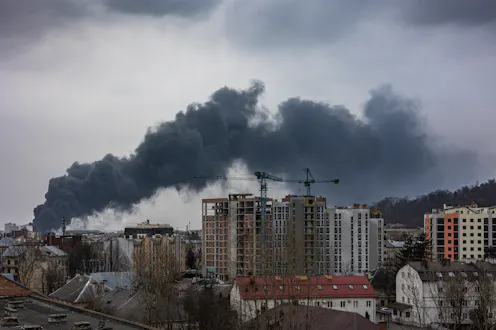
116 country assessment shows huge direct and indirect impacts of expensive energy.
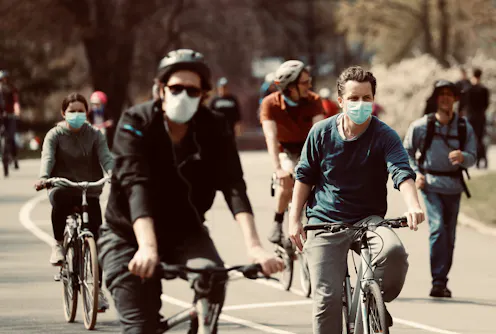
Lucas Jackson/Reuters
May 19, 2020
Pep Canadell , CSIRO ; Corinne Le Quéré , University of East Anglia ; Felix Creutzig , Mercator Institute on Global Commons and Climate Change ; Glen Peters , Center for International Climate and Environment Research - Oslo ; Matthew William Jones , University of East Anglia ; Pierre Friedlingstein , University of Exeter ; Rob Jackson , Stanford University , and Yuli Shan , University of Groningen
New research reveals which sectors of the global economy fuelled the emissions decline during COVID-19. We have a narrow window of time to make the change permanent.
Lucas Jackson/Reuters
May 19, 2020
Pep Canadell , CSIRO ; Corinne Le Quéré , University of East Anglia ; Felix Creutzig , Mercator Institute on Global Commons and Climate Change ; Glen Peters , Center for International Climate and Environment Research - Oslo ; Matthew William Jones , University of East Anglia ; Pierre Friedlingstein , University of Exeter ; Rob Jackson , Stanford University , and Yuli Shan , University of Groningen
Una nueva investigación analiza los sectores económicos responsables de la caída global de emisiones debida a la COVID-19. Tenemos una pequeño margen de tiempo para hacer el cambio permanente.
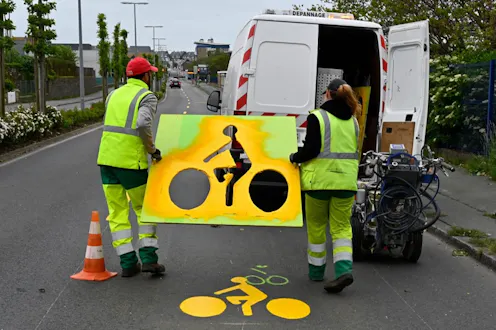
Le 11 mai 2020, à Saint-Malo, marquage d’une piste cyclable.
Damien MEYER/AFP
May 19, 2020
Pep Canadell , CSIRO ; Corinne Le Quéré , University of East Anglia ; Felix Creutzig , Mercator Institute on Global Commons and Climate Change ; Glen Peters , Center for International Climate and Environment Research - Oslo ; Matthew William Jones , University of East Anglia ; Pierre Friedlingstein , University of Exeter ; Rob Jackson , Stanford University , and Yuli Shan , University of Groningen
De tout récents travaux du Global Carbon Project montrent dans le détail les effets de la pandémie et du confinement sur l’économie mondiale.