

Victorian Premier Ben Carroll says the terms of reference are ‘the broadest, most extensive, wide-ranging powers’. But there’s one key weakness.
- Associate Professor, Faculty of Law, Monash University
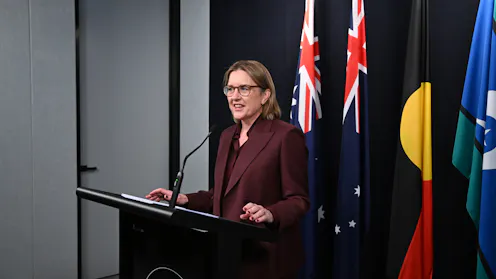
Allegations of bikie and criminal infiltration into Victoria’s massive infrastructure program have dogged the premier for months.

The $100 billion suite of infrastructure projects has been infiltrated by organised crime. It can’t keep being swept under the rug.
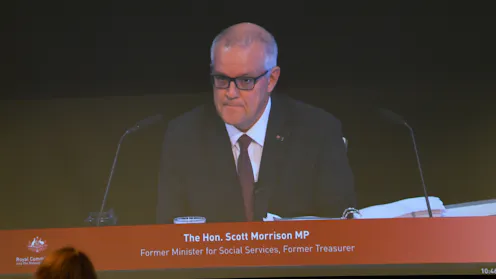
The Robodebt saga has highlighted serious concerns about corruption, as well as about the body charged with stamping it out.

With billions in Australian taxpayers’ dollars being spent ahead of the Games, what’s the argument for lifting the ban now?
Voice, closing the gap, tax reform and better mental health services are some of the suggested policy reforms the Labor government should pursue in its second term

Democracies must constantly guard against their erosion – and Australia is no exception.
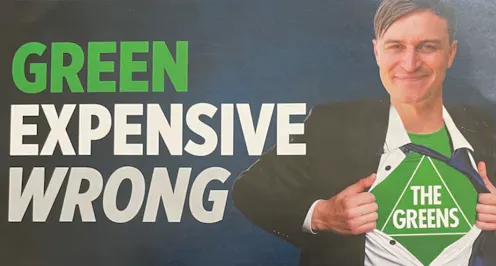
A loophole in the Electoral Act means it’s perfectly legal to lie to voters – as long as it doesn’t happen during official election campaigns.
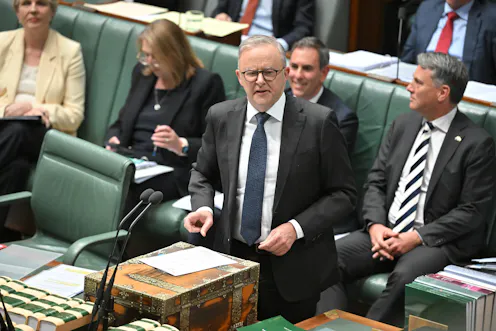
Truth in political advertising laws have operated effectively in South Australia for the past 39 years, and similar laws should be introduced in other jurisdictions.
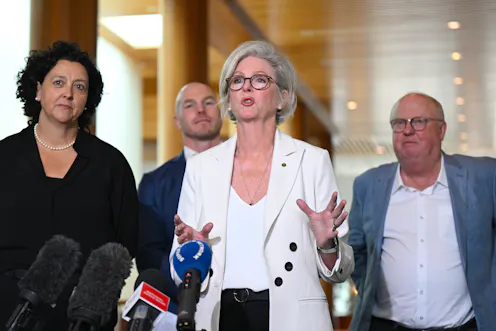
The private member’s bill is unlikely to get through, but it raises important points about the scourge of pork-barrelling in Australian politics.

Automation has wreaked havoc with government processes here and overseas, and freedom of information laws have been key to exposing it. But with the rise of AI, our laws need modernising.
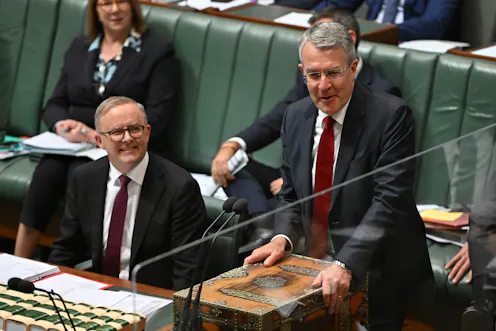
The Albanese government has devised a strong model for the new National Anti-Corruption Commission with robust powers and suitable accountability mechanisms.

Efforts to control the fossil fuel industry lobbying of the federal government must step up or we could face greater inequality and lessened democracy.
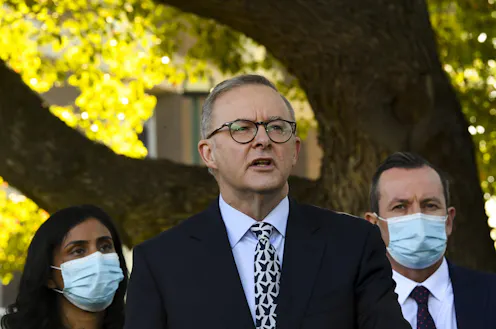
Labor has proposed a robust commission with strong powers, coupled with checks and balances to ensure it does not abuse its powers.

Our experts rated the Coalition’s model as either very unsatisfactory or a fail. Most agreed Labor’s proposed model is much better, but said a lot more detail is needed.
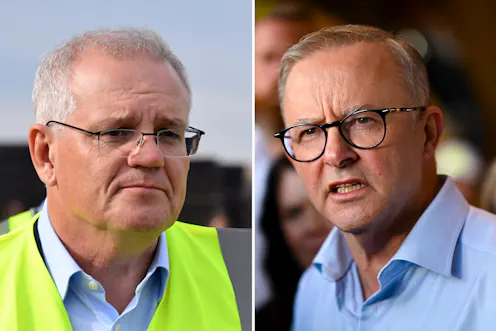
The Morrison government has walked back on its pledge to establish a federal anti-corruption commission, while its term in government was peppered with allegations of corrupt behaviour.

There are three main differences between IBAC and ICAC, the Victorian and NSW bodies set up to combat government corruption.

A senate hearing has produced yet more damning evidence about the ‘car park rorts’ affair.
Rorting scandals are nothing new in Australian politics. But the regulatory system has too many loopholes and needs urgent reform if we’re serious about stopping it.
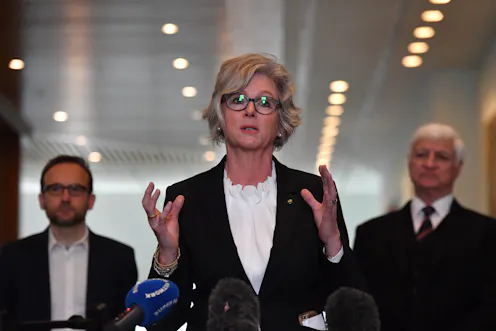
Independent MP Helen Haines’s bill will likely not pass without the government’s support, but it proposes a robust body with suitable accountability mechanisms. It’s worth serious consideration.
Biosecurity and public health laws have given federal and state governments enormous powers to battle coronavirus. If we’re not careful, though, some powers could remain long after the pandemic.
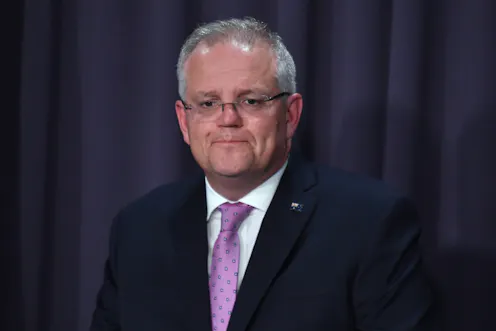
A strong ICAC – unlike the body the federal government is proposing – would have had the power to properly and impartially investigate the “sports rorts” affair.
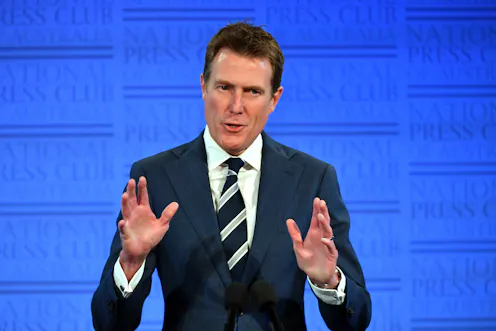
The proposed National Integrity Commission is under attack, amid fears it will be toothless. The government needs to rethink its model.
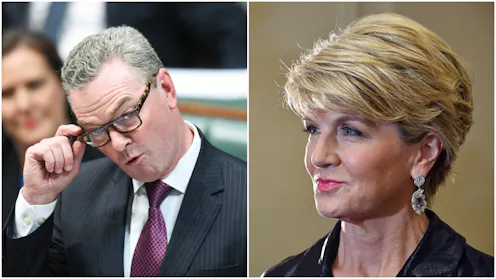
One in four former ministers go on to take lucrative roles with special interest groups after leaving politics. Our current standards regulating this practice aren’t being enforced adequately.
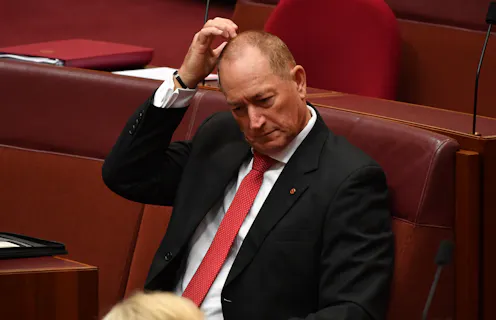
In the last few years, some MPs have made extravagant claims on their parliamentary entitlements. So, what are they actually allowed to use the money for?
Contact Yee-Fui for
- General
- Media request
- Speaking request
- Consulting / Advising
- Research collaboration
- Research supervision
- Article Feed
- Joined
