
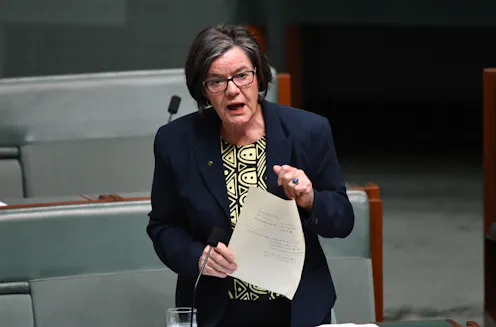
The proposed integrity commission is an improvement on the patchwork of mechanisms in place now, but does not go nearly far enough to prevent and investigate corruption.
- Associate Professor, Faculty of Law, Monash University
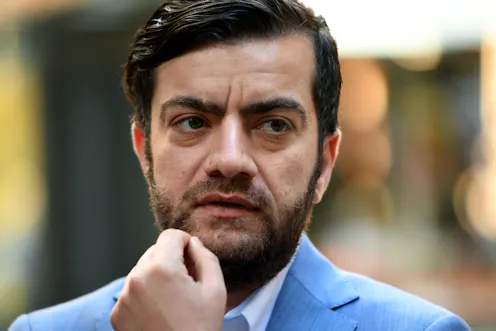
The firestorm over foreign donations was set alight by former Senator Sam Dastyari, whose links to donors with Chinese links prompted him to quit parliament.

Public trust in government is sliding and there’s a perception that a small elite is reaping the benefits of political influence. This points to the need for a federal anti-corruption body.
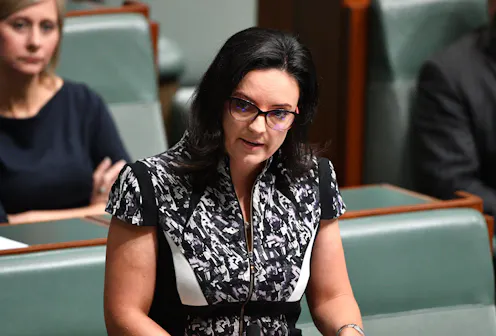
With public trust in politicians low, it’s time to look at making tighter, clearer regulations about MP behaviour, including the role of their staffers.

Family day care workers have much in common with home-based workers in the garment industry. But the latter are classed as employees, resulting in better representation and protected work conditions.
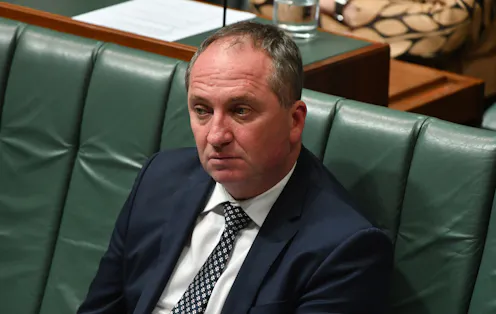
The appointment of ministerial advisers is based on a party-political network of patronage, where the primary consideration is loyalty to the political party – not merit.
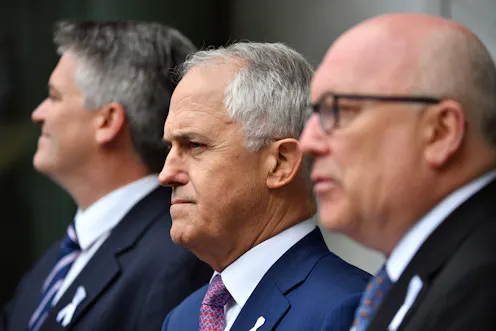
If the government is serious about restoring faith in our politics and politicians, there’s much more to be done beyond banning foreign donations.
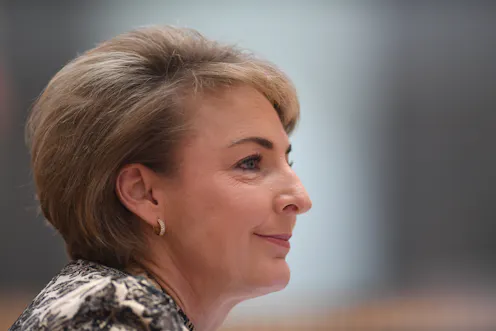
Australia’s minimal legal and political regulation of ministerial advisers has led to an accountability deficit.
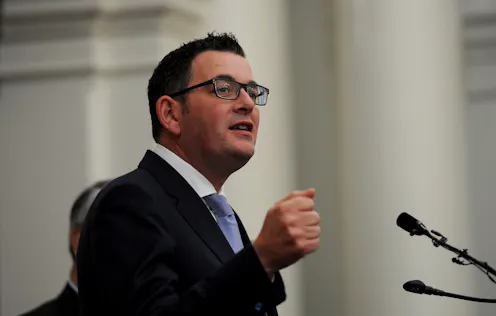
Australia’s political donations system remains fragmented, but proposed reforms in Victoria are a good step forward.
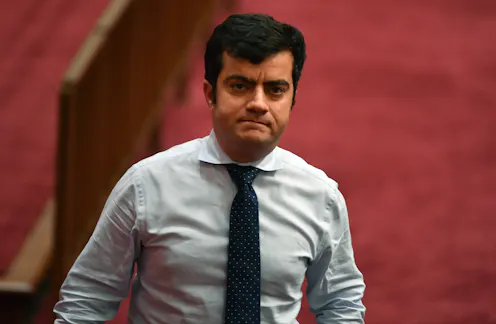
If we ban all donations from individuals and corporations, funding for political campaigns must come from elsewhere.
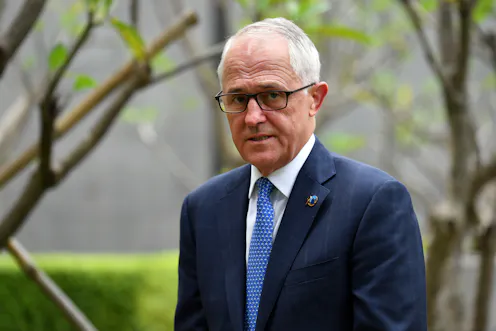
The rationale for banning foreign donations is to stop the threat of overseas interests undermining Australian democracy.
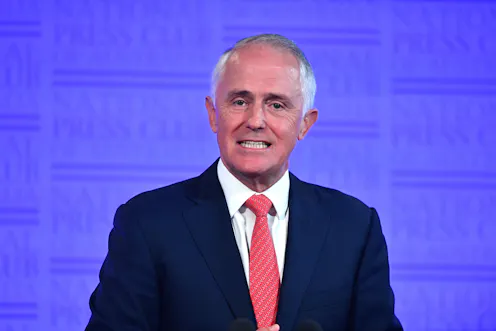
The struggle for political equality has shaped Australian democracy. But it’s undermined by having a political donations system that benefits the rich at the expense of other Australians.
Check out our interactives showing the total donations to Australia’s major parties in 2015-16, who the biggest donors to the parties were, and how donations to parties have changed in recent years.
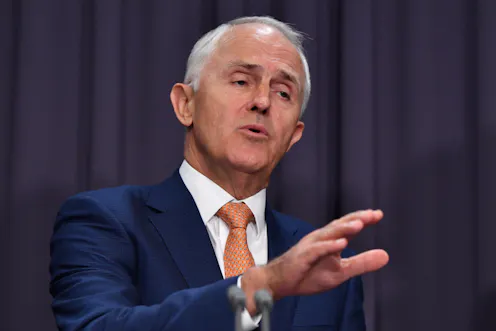
Disclosures add to transparency. They allow us to follow the money and scrutinise who has made large donations. But mere disclosure does not remedy the inequity in Australia’s current system.
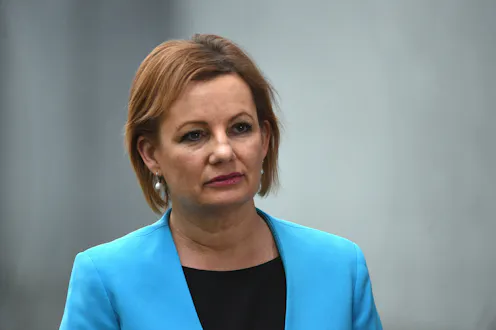
Malcolm Turnbull has announced major changes to the parliamentary entitlements system, modelled on the UK’s system of vetting MPs’ expenses.
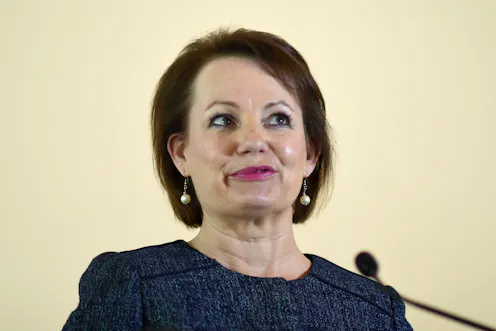
It is unclear whether stood-aside minister Sussan Ley has breached the ministerial standards over her travel expenses. And the rules on claiming entitlements are unclear and very complex.

Nationals Senator Bridget McKenzie said Australia is one of the few countries in the world to accept foreign political donations. Is that true?
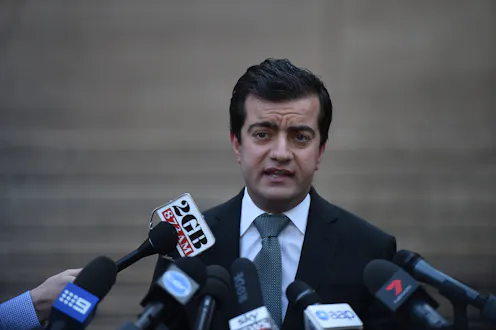
The pernicious influence of money on politics is a problem of political donations more generally, not just from foreign donors.
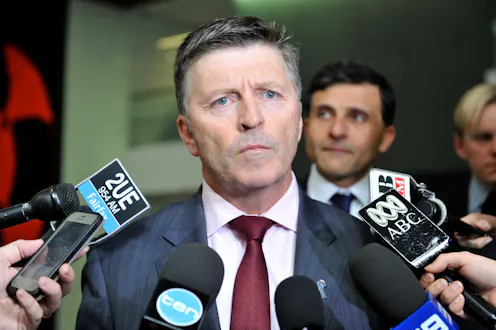
There are a few necessary ingredients for the effective regulation of any political donations system.
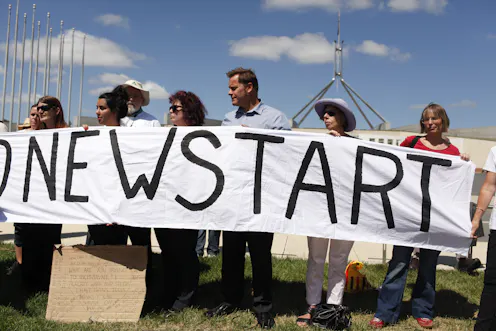
The Asylum Seeker Resource Centre’s Kon Karapanagiotidis said that what a politician can claim for a one night stay in Canberra is equivalent to an entire week on Newstart. Is that true?
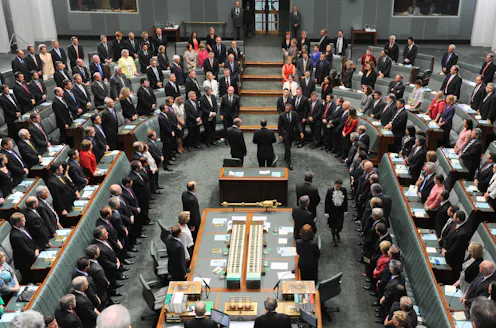
Now that we have had the double-dissolution election, the next step is for the government to attempt to pass the industrial relations bills through the House of Representatives and Senate again.
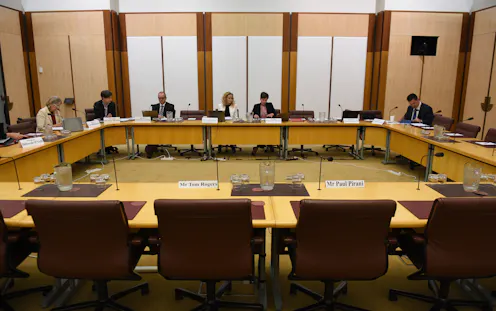
The struggle for political equality has shaped Australian democracy. This is undermined by a fragmented political donations system that can be easily evaded.
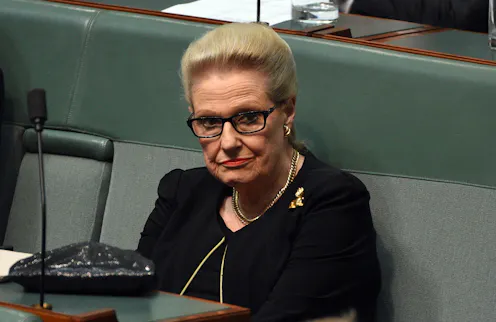
Only with a robust entitlements system will a repeat of Bronwyn Bishop’s “Choppergate” scandal be avoided.
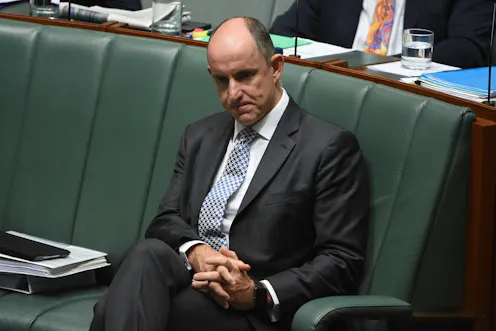
The principle underlying the ministerial standards is that ministers should uphold the public’s trust as they wield a great deal of power deriving from their public office.
Contact Yee-Fui for
- General
- Media request
- Speaking request
- Consulting / Advising
- Research collaboration
- Research supervision
- Article Feed
-
- Joined
