
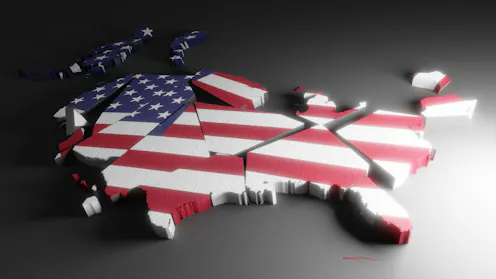
There are no guarantees that pollsters’ troubles in recent elections and popular skepticism about their dependability will be alleviated anytime soon.
- Professor Emeritus of Communication, American University School of Communication
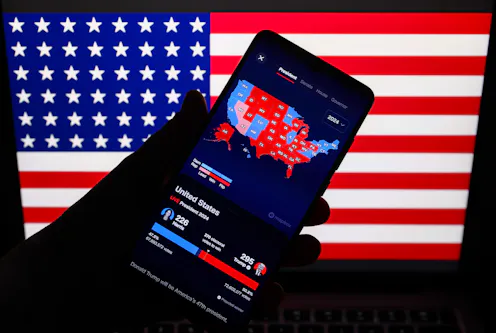
With a history of presidential polls getting it wrong − sometimes very wrong − how did this year’s polling fare? Some US pollsters did better, but a Brazilian pollster did the best.
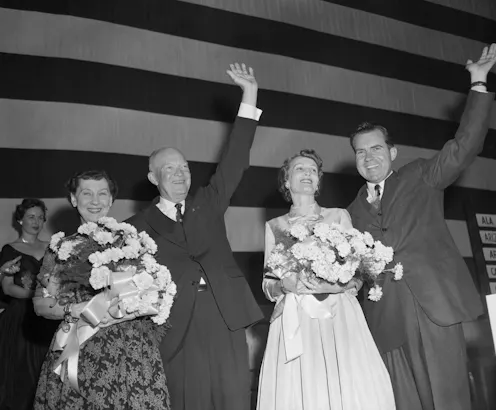
The New York Times, dismayed by wayward polls in the 1952 presidential race, sent teams of reporters across the country to assess public opinion in the 1956 campaign. Its effort was no rousing success.
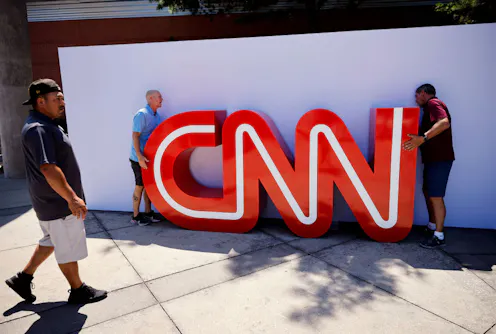
Polls help set the public’s expectations in a presidential race. In 2020, presidential polls overall were the worst in 40 years. No misfire was more striking than CNN’s. Will CNN do better in 2024?
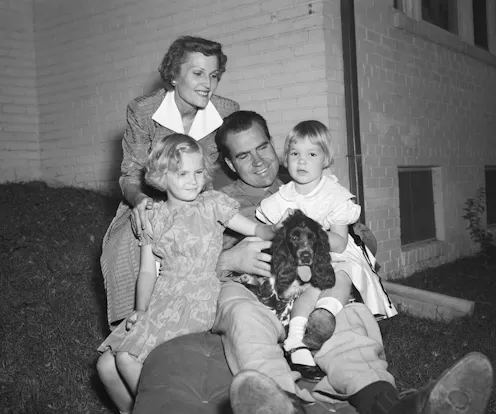
Facing an uproar over use of a private fund to cover expenses, vice presidential candidate Sen. Richard Nixon invoked the family dog, Checkers, to salvage his political career in 1952.
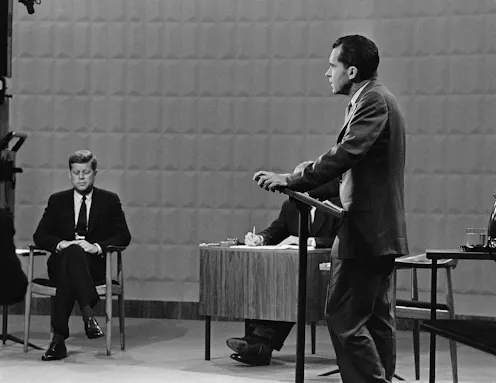
While people now reflect on how or whether Nixon’s sweaty, haggard appearance during the debate cost him the election, the view in 1960 was that the debate was a draw.
Starting in 1950, as the fear of communist subversion spread throughout America, McCarthy launched hearings that were based on scant evidence and overblown charges.
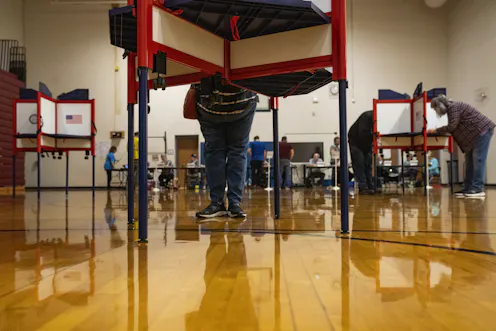
Imprecision in election polling has long been recognized. But advance polls are still useful in recognizing trends in voter preferences, and candidates’ weak points.

The unusual candidacy of former President Donald Trump has made election polling especially appealing, more than a year from the election. But consumers beware: Those polls may be wrong.
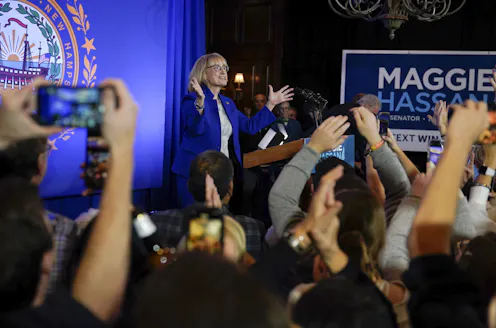
Polling for the 2022 midterms was more accurate than the dramatically wrong predictions of 2016 and 2020, leading one pollster to boast, ‘The death of polling has been greatly exaggerated.’

Will some polls misfire in prominent races in the 2022 midterms? Probably. Will such errors be eye-catching? In some cases, perhaps. Will the news media continue to tout polls? Undoubtedly.
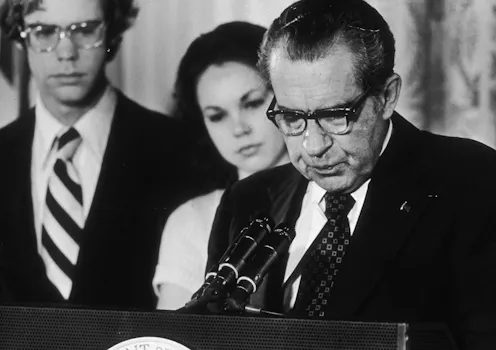
Washington Post reporters Carl Bernstein and Bob Woodward broke stories about the Watergate scandal that helped unravel Richard Nixon’s presidency. But they were not the sole force to bring him down.

The ‘Napalm Girl’ photo is much more than powerful evidence of war’s indiscriminate effects on civilians. It also shows how false assertions can get traction in the media.

A task force of polling experts found surveys notably understated support for Donald Trump, both nationally and at the state level. Here’s what may have gone wrong, according to a polling historian.

Stung by their failure to accurately predict the outcome of the 2020 presidential election, pollsters collectively went off to figure out what went wrong. They have yet to figure out what or why.

The New York Times gave in to White House pressure and did not publish crucial information about an impending US-backed invasion of Cuba. It’s an old story, much repeated – but it’s wrong.
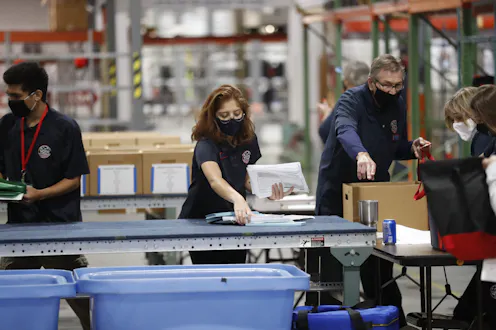
Pollster Bud Roper once said of his field that “a good deal more than half is art and … less than half is science.” After the 2020 polls got a lot wrong, is it time for more candor from pollsters?
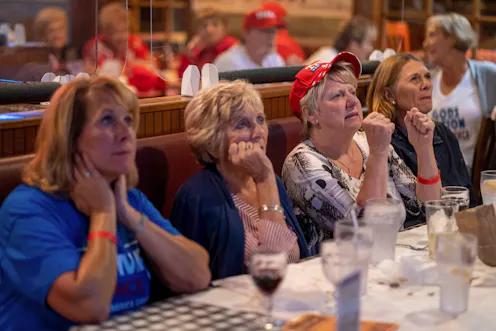
Les sondages prédisaient une « vague bleue » qui ne s’est pas concrétisée.
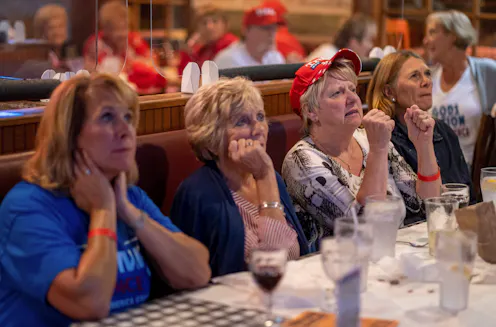
Polls predicted a ‘blue wave’ that didn’t materialize.
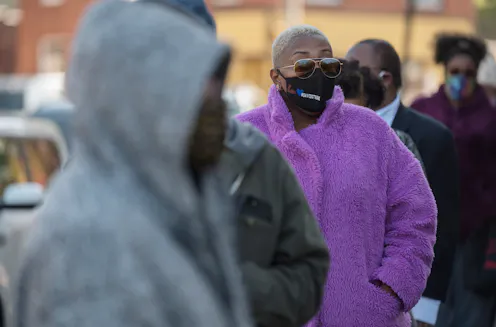
An expert on the history of polling has a first take on how pollsters did this year.
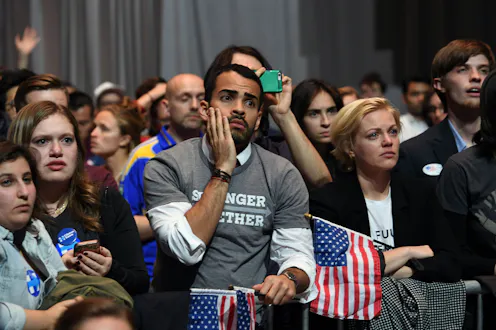
Polling is an imperfect attempt at providing insight and explanation. But the public’s desire for insight and explanation about elections never ends, so polls endure despite their flaws and failures.
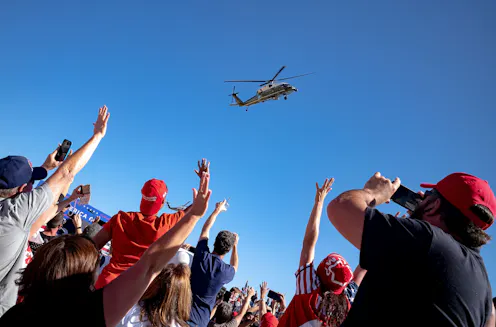
Polling shows Joe Biden with a large lead over Donald Trump nationally in the presidential race. But there are many ways that presidential race polling has gone wrong in the past, and could do so now.
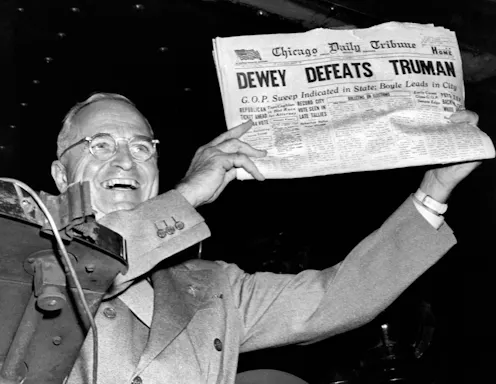
Presidential pollsters in the US have had some embarrassing failures. Here’s a catalog of those miscalls, from the scholar who literally wrote the book on them.
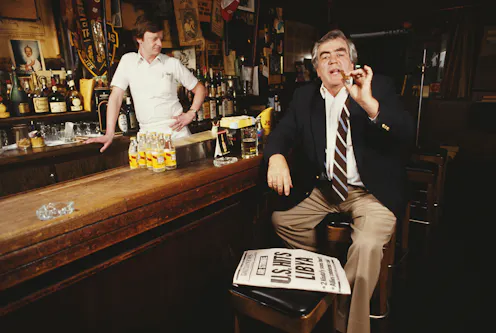
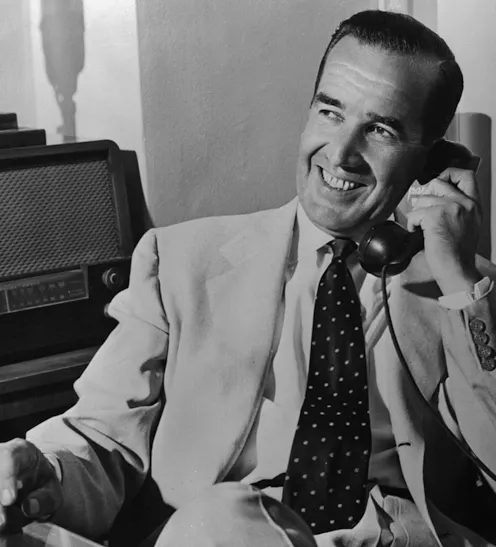
There was a time when well-known journalists resented preelection polls and didn’t mind saying so. One even said he felt “secret glee and relief when the polls go wrong.” Why did they feel this way?
Contact W. for
- General
- Media request
- Speaking request
- Consulting / Advising
- Location: Washington, D.C., U.S.
- Website
- X (formerly Twitter): @wjosephcampbell
- Article Feed
- Joined

