
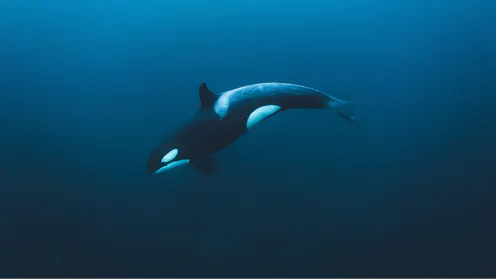
This never-before observed behaviour can tell us a lot about whale intelligence.
- Whale Scientist and Lecturer, Faculty of Science and Engineering, Macquarie University
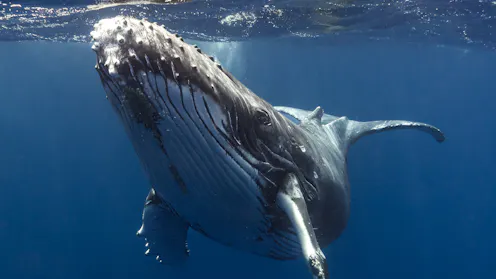
Wildlife expert Vanessa Pirotta talks whale digestion on The Conversation’s Curious Kids podcast.

Au fond de l’océan Indien, des chercheurs ont découvert une immense nécropole de baleines, vieille de plus de 5 millions d’années. Ce site exceptionnel, qui s’étend sur 1 200 kilomètres, éclaire l’histoire évolutive des cétacés.

Chinese scientists have discovered hundreds of ancient whale carcasses deep in the Diamantina Zone off the coast of Western Australia.
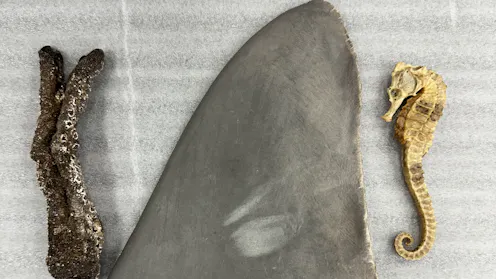
Many marine creatures are among the 4,000 species affected by wildlife trafficking.
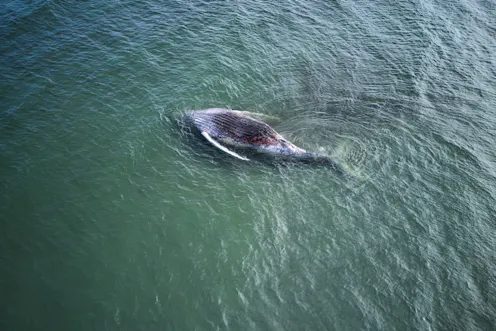
Like everyone, I cared about Timmy. We all did. But our responses need to be ethical.
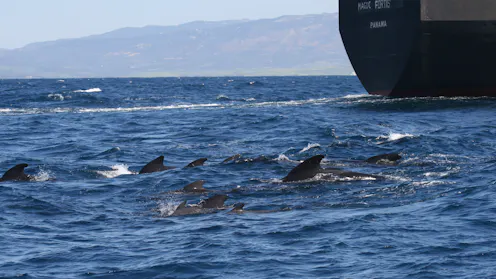
A new study highlights how noise pollution in the ocean is changing animals’ behaviour.

Jane Goodall showed tremendous courage in charting her own course as a pioneering researcher – and working to spread hope wherever she went.
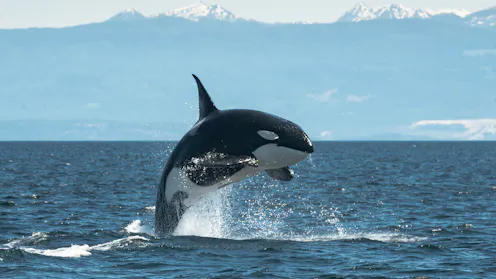
For the first time, orcas have been seen making and using tools out of seaweed. The reason? Most likely as a form of social grooming.
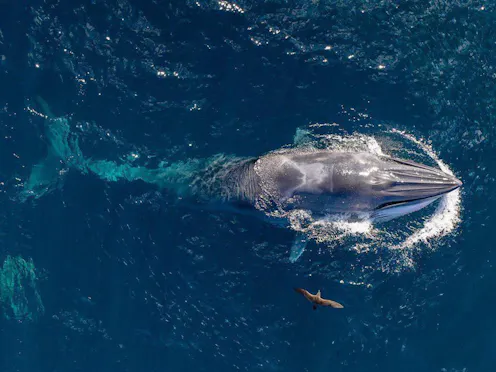
By tapping into observations of Bryde’s whale shared on social media, we found evidence of feeding and “surfing” behaviours possibly never documented before.
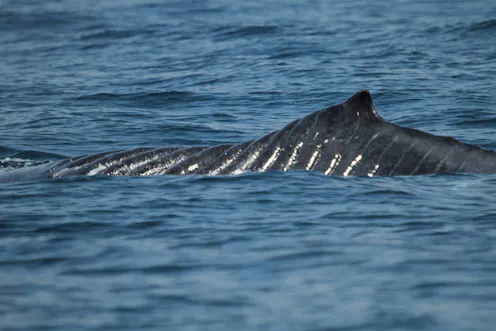
Recent sightings of Bladerunner the humpback and Split Fin the killer whale provide an opportunity to remind everyone to keep their distance and avoid collisions with majestic marine mammals.
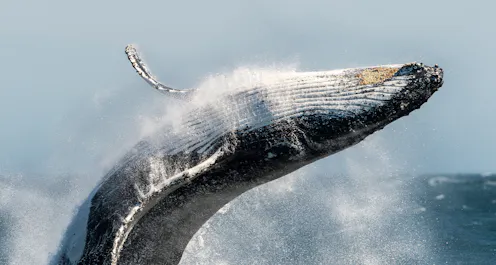
Wildlife scientist and whale snot expert Vanessa Pirotta joins us on the first episode of The Conversation’s Curious Kids podcast.
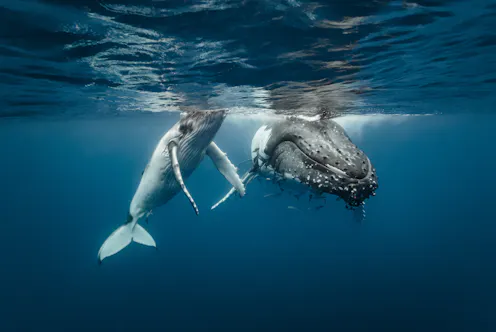
There’s so much we still don’t know about whales. Here’s 3 amazing new things we’ve learnt about whales lately: how humpback whales have sex and give birth – and how baleen whales sing underwater.
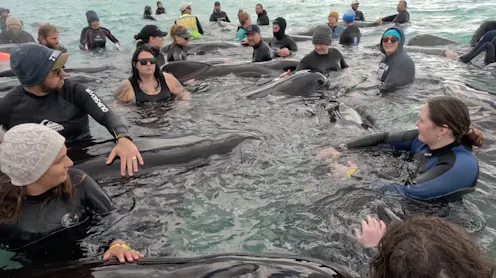
You might see the heartbreaking videos of stranded whales and dolphins and wonder why we can’t rescue them. Sometimes we can – but time and tide make it harder
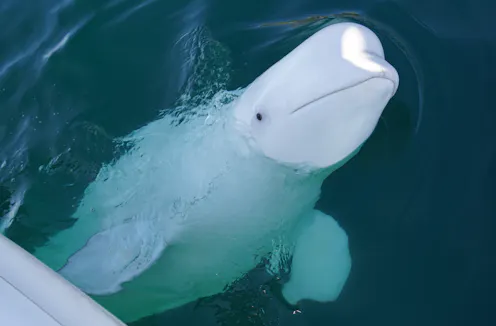
Unusual human-wildlife interactions raise questions about managing the risks. What’s driving these wacky whale antics? How and when should we intervene?
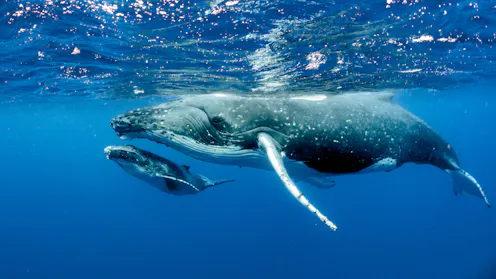
It’s that “whale-y” exciting time of year! Winter is coming. That means we’ll start seeing whale mums and calves moving along Australia’s east and west coasts. We’ve already had a teaser in WA waters.
The number of live animals seized by the Australian Government has tripled since 2017, with blue-tongue lizards and sulphur-crested cockatoos frequently captured.
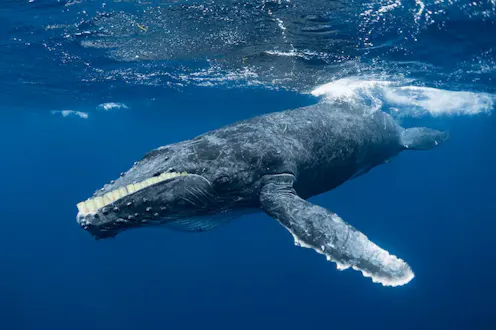
Itu semua didasarkan pada diet mereka dan bagaimana mereka menangkap makanan mereka. Tapi tahukah Anda bahwa beberapa paus memiliki gigi?
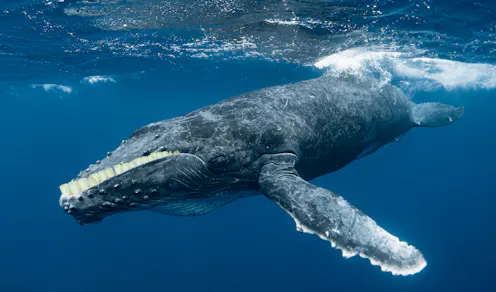
It’s all based on their diet and how they capture their food. But did you know some whales do have teeth?
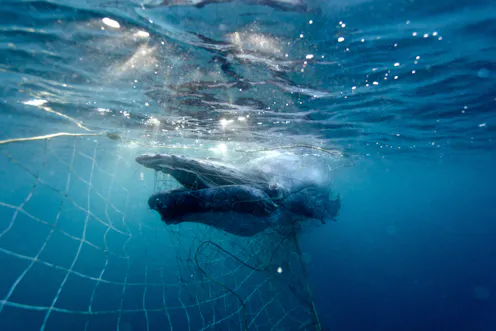
I’ve seen whale entanglement in shark nets firsthand, when a humpback whale calf drowned in one a few years back. It was terrible.
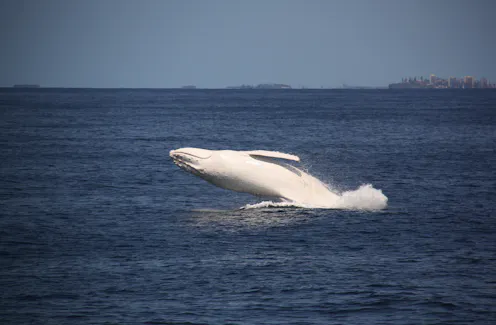
Migaloo, where are you? How searching for the iconic white humpback whale connects us all with the ocean.
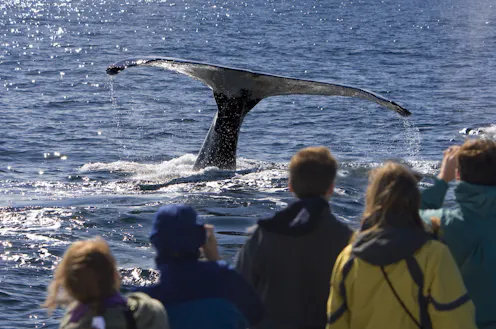
Whether you’re on the shore or a boat, seeing these giant mammals rise from the depths is always special. Knowing how to go about spotting a whale will improve your odds of experiencing this thrill.
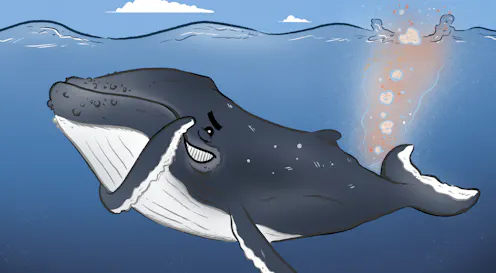
Manusia saja terkadang bisa mengeluarkan bersin dan kentu yang sangat besar — jadi bayangkan seperti apa dahsyatnya jika berasal dari hewan terbesar di dunia?
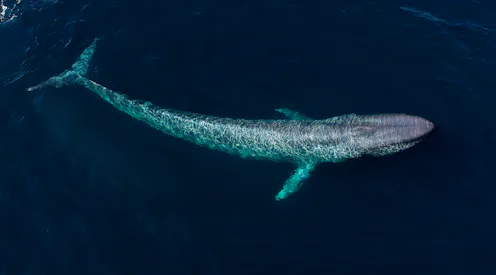
There have been just six verified sightings of the pygmy blue whale off Sydney in 18 years. Rare sightings like these are crucial, because the giants are considered ‘data deficient’.
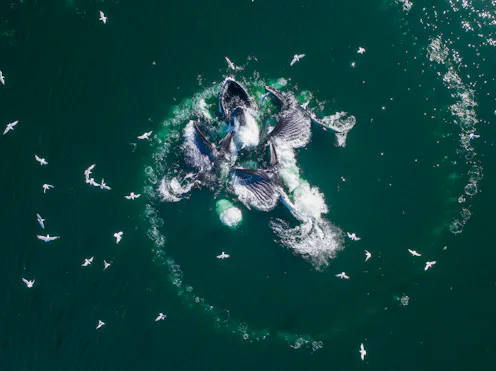
Bubble-net feeding is when whales blow bubbles from their nose to encircle their food, trapping their prey into a tight ball. A citizen scientist was the first to capture this behaviour in Australia.
Contact Vanessa for
- General
- Media request
- Speaking request
- Consulting / Advising
- Research collaboration
- Research supervision
