
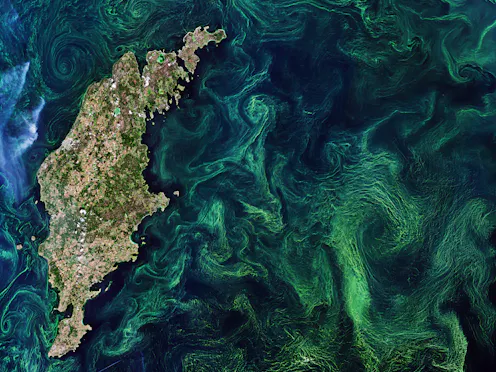
Some methods being tried to counter climate change shift the ocean’s biology or chemistry. Others would deflect solar radiation. All have consequences for marine life.
- ARC DECRA Fellow/Senior Lecturer, IMAS, University of Tasmania

From the wave-lashed surface to the deep sea, the Southern Ocean Time Series is a crucial tool for scientists to keep the pulse of this important region of Earth.
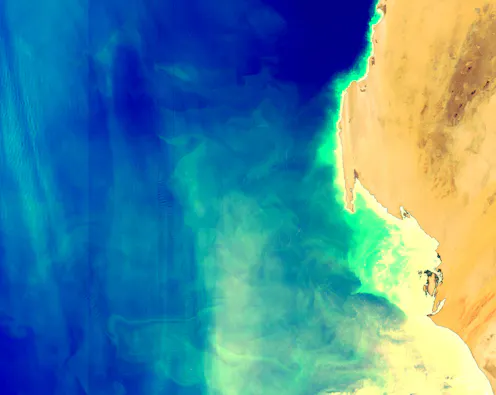
Taking more carbon dioxide out of the atmosphere by stashing it in the ocean seems like a good idea, but it could backfire if tiny marine animals called zooplankton get extra hungry.
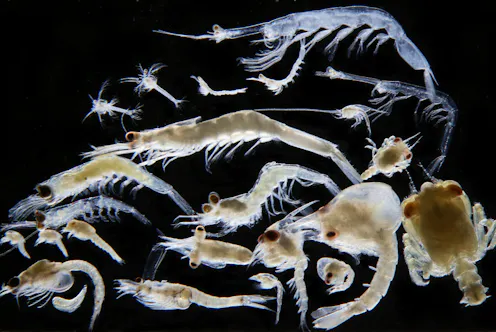
Marine life known as zooplankton might be the biggest problem with getting carbon cycling right in climate models. The potential variations in carbon uptake are greater than global transport emissions.

In Europe, a large-scale war could cause the Baltic Sea to freeze over and severely compromise food security – potentially for decades and even centuries to come.
Contact Tyler for
- General
- Media request
- Speaking request
- Consulting / Advising
- Research collaboration
- Research supervision
- Website
- Article Feed
- ORCID
- Joined
