
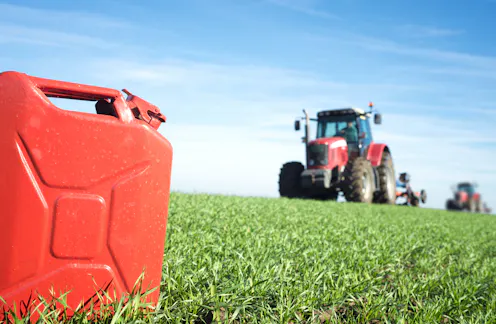
A complete switch to biofuels is neither feasible nor desirable, but they could replace some fossil fuels in transport and heating. If biofuels are produced from waste products, that’s even better.
- Adjunct professor, University of Auckland, Waipapa Taumata Rau
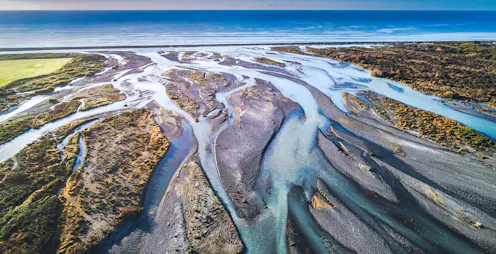
New Zealand spends about $500m on environmental research each year, but fails to invest systematically in monitoring programmes to track the changing environment.
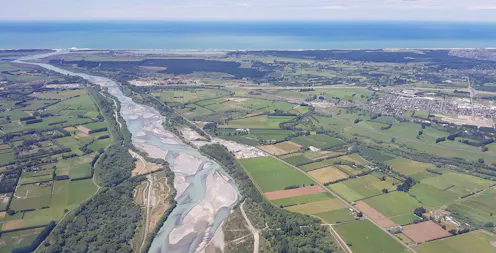
A new report on New Zealand’s lakes and rivers confirms that many freshwater ecosystems are in decline and warns that climate change will exacerbate existing threats.
Regenerative agriculture has the potential to build production and reducing pollution, but it needs a clearer definition.
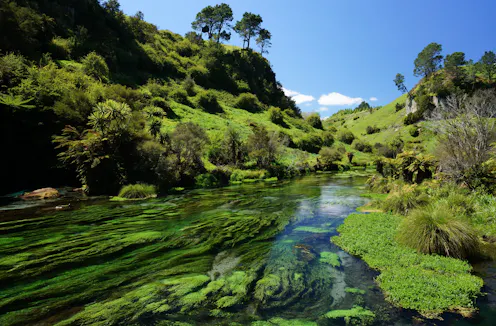
A proposed plan to clean up New Zealand’s waterways draws clear limits on the expansion of dairy farming and irrigation, as well as on the use of nitrogen fertiliser in some key areas.
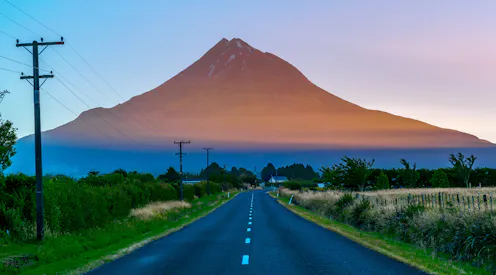
A recent report on the state of New Zealand’s environment painted a bleak picture of species losses and freshwater pollution. Budget 2019 signals a shift, but more in intention than sufficient funding.
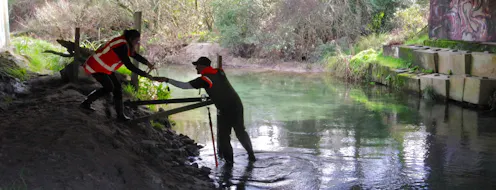
Freshwater data in the latest report on the state of New Zealand’s environment suggest improvements in water quality are possible but many gaps in understanding remain.
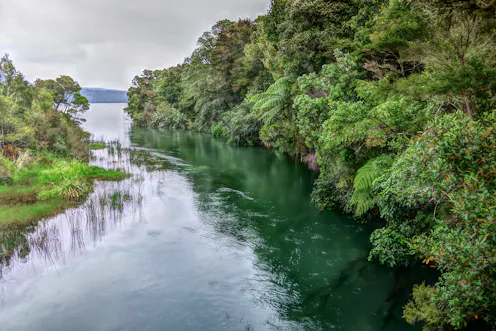
The ecological health of New Zealand’s lowland rivers and lakes is in decline, but principles borrowed from drinking water safety could help reverse the degradation.
Contact Troy for
- General
- Media request
- Speaking request
- Consulting / Advising
- Research collaboration
- Research supervision
- Location: Wellington, New Zealand
- Website
- X (formerly Twitter): @TroyBaisden
- Article Feed
- ORCID
- Joined
