
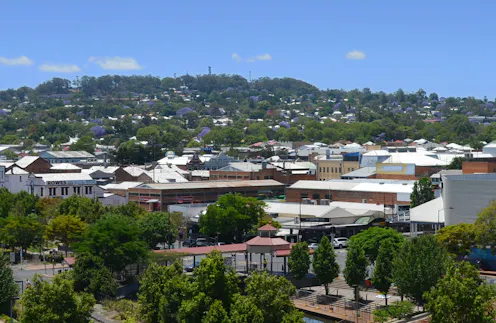
The pandemic has driven Australian workers and their employers to embrace the option of working remotely. And that has opened people’s eyes to the possibilities of living in regional Australia.
- Senior Lecturer in Urban and Environmental Planning, Griffith University
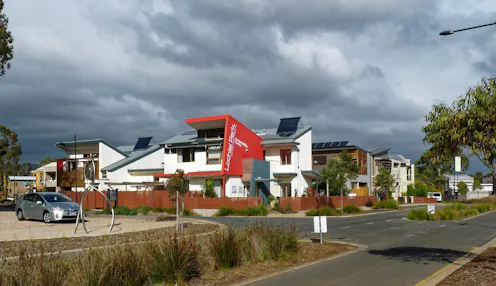
There has never been a better time for public money to go into improving the performance of Australian housing. We could have cut household bills and emissions, as well as saving construction jobs.
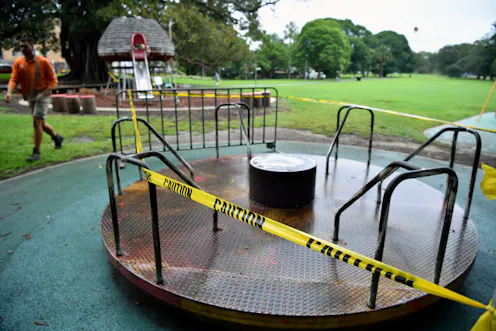
Re-imagining cities after COVID-19 is both a practical and philosophical task. People’s perceptions of places are changing. It is a time for planners and policymakers to plan with, not for, people.
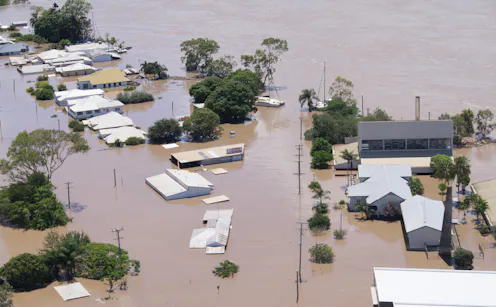
Climate change has got to the point that communities around the world are having to contemplate moving. It’s never an easy process, but good planning improves the prospects of successful relocation.
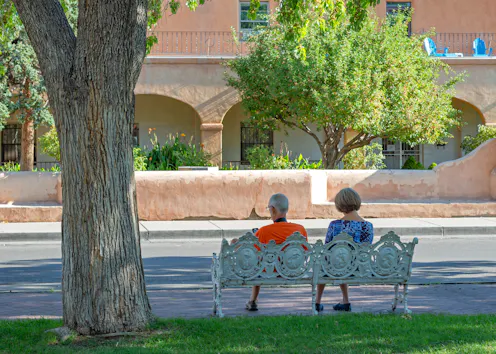
Two trends in Australia, an ageing population and warming climate, are increasing the threat that heatwaves pose to our health. Increasing vegetation cover is one way every city can reduce the risk.
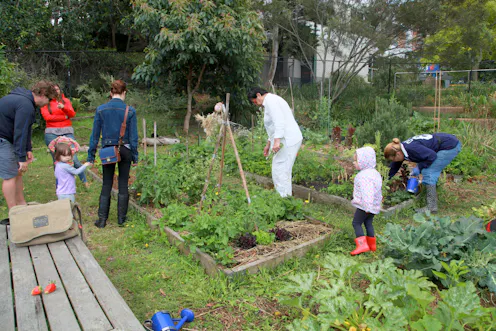
Third places are shared spaces where people can informally socialise. As a potential antidote to the modern scourge of loneliness, it’s worth asking what makes the best of these places tick.
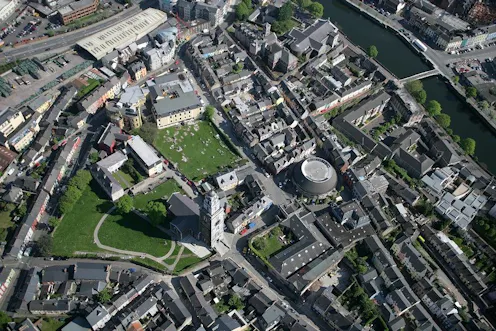
A suburb in the Irish city of Cork sets the standard for involving the community in heritage building conservation. Public engagement is the key to managing the inevitable conflicts.

Adaptively re-using buildings can preserve heritage while enabling new uses that help make cities more liveable and sustainable.
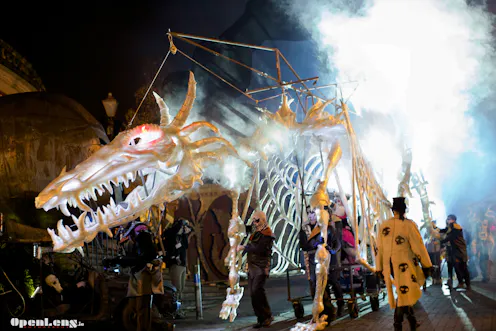
Urban festivals built on community involvement can reinvigorate places and create a shared sense of place and purpose that lasts long after the event is over.
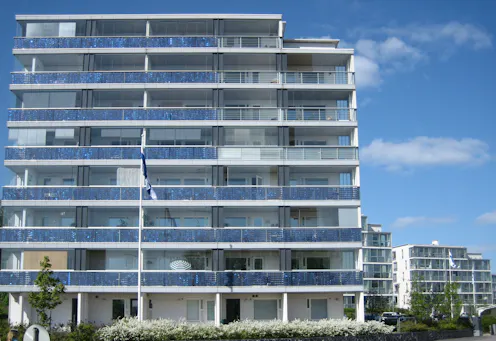
Not everyone can afford to pay for solar panels up front, but local planners can help disadvantaged households overcome energy poverty in several ways.
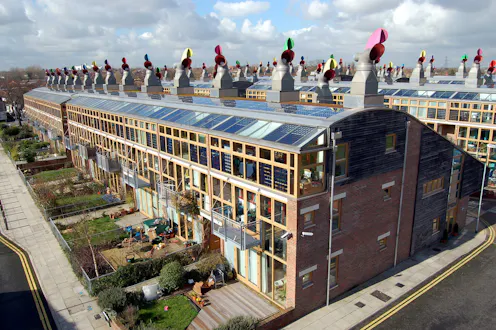
Traditional urban planning is being stretched by the pace at which renewable energy systems are being installed. New codes and guidelines are needed to manage emerging conflicts over land use.
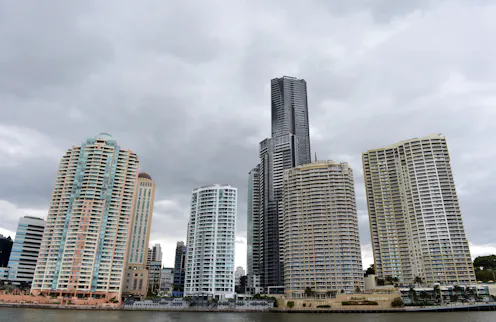
Research suggests stakeholders’ understandings of urban consolidation vary. And they often subvert policies to suit their own ends.
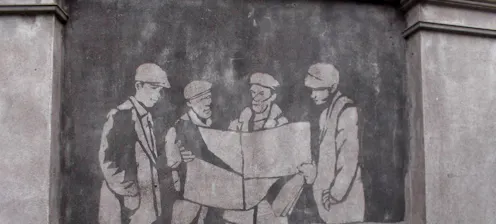
Over the past 15 years, community groups in a rundown inner-city district have created public murals as part of a successful process of reversing decades of stagnation.
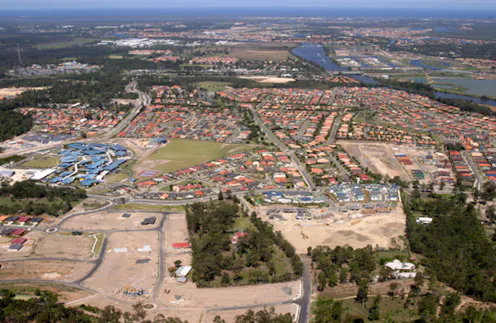
Recently published research has found that the concentration of poorer people in hotter places is a real problem for cities’ capacity to cope with climate change.
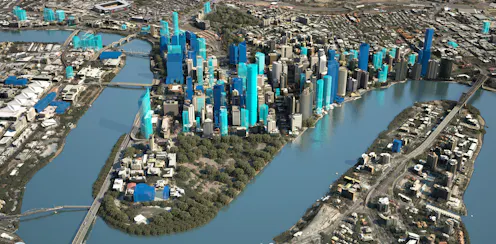
In the media, urban consolidation is often depicted as a threat to Australian suburban life. In reality, it’s a result of managed planning processes to ensure growing cities remain liveable.
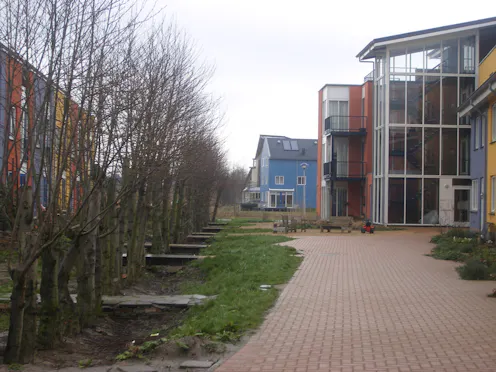
Green infrastructure can be delivered relatively easily using existing planning processes. The main obstacle could be psychological: planners are wary of disruption to embedded practices.
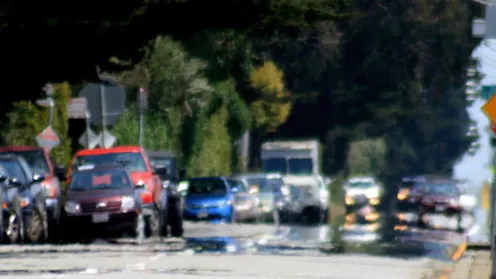
It seems like a ‘no brainer’ to use urban greening to help cities adapt to increasing heat, but the uptake of green infrastructure, such as trees and vegetated roofs, surfaces and walls, is slow. Why?
Contact Tony for
- General
- Media request
- Speaking request
- Consulting / Advising
- Research collaboration
- Research supervision
- Location: Brisbane, Australia
- Website
- X (formerly Twitter): @drtonymatthews
- Article Feed
- ORCID
- Joined
