
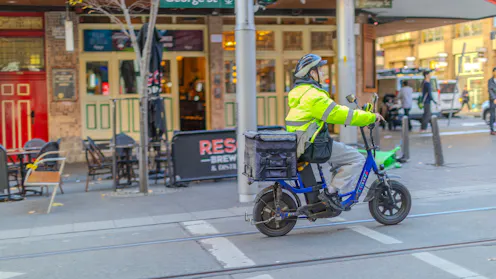
Will prices rise to cover better pay and standards? Yes, almost certainly. But it also means your next food delivery can come with a side of a little less guilt.
- Senior Lecturer, Management and Organisations, The University of Western Australia
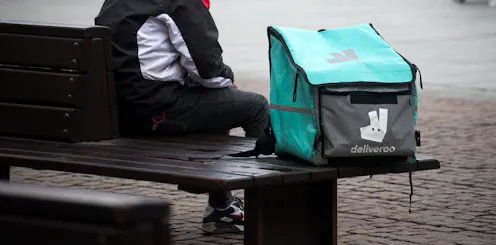
Deliveroo says it has been unable to achieve a sustainable position in the Australian market.
Uber, the poster company of the gig economy, has agreed its Australian workers deserve more employee-like conditions. Why it has done this now isn’t too hard to work out.
The Fair Work Commission’s ruling that delivery rider Diego Franco was an employee of Deliveroo is a major legal win for Australia’s gig workers.
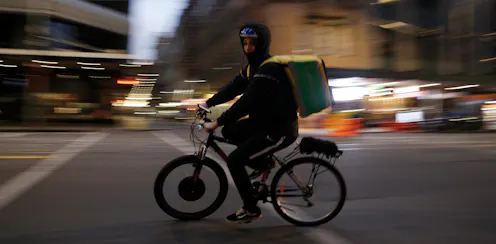
Food-ordering platform Menulog has declared it will break with the standard contractor business model. But let’s not get too excited yet.
Uber has been forced by the UK courts to treat its British drivers as workers. It will probably require legislative change for Uber’s Australian drivers to be treated as employees.
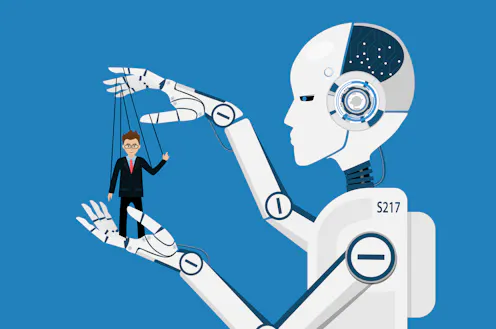
Handing management to algorithms creates ‘black-box bosses" whose decision-making is hard to understand or question.
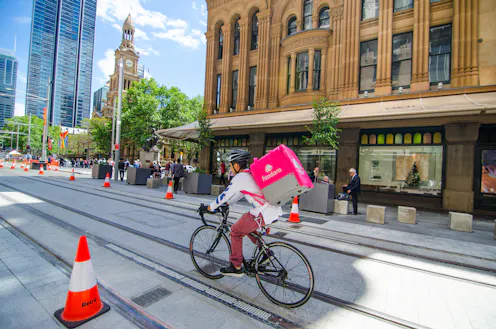
It is the Australian Tax Office, not the Fair Work Commission, making the big waves with the Foodora case and the future of the gig economy.

If governments step in, this might be a war that customers, workers and the community can still win.
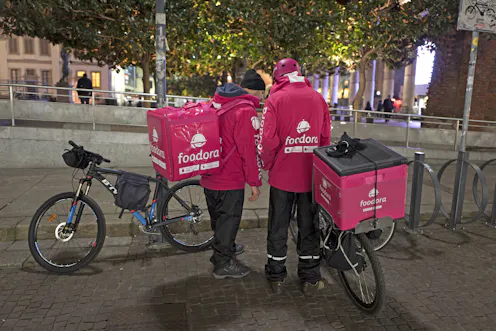
That the Fair Work Ombudsman brought a case against Foodora suggests its workers are most likely to be classified as employees. This could dissuade other platforms from offering similar benefits.
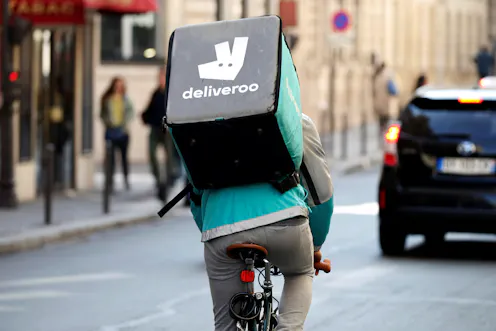
Whether or not food delivery workers feel exploited is irrelevant, because they have few other options.
Contact Tom for
- General
- Media request
- Speaking request
- Consulting / Advising
- Research collaboration
- Research supervision
- Location: Perth, Australia
- Website
- Article Feed
- ORCID
- Joined
