
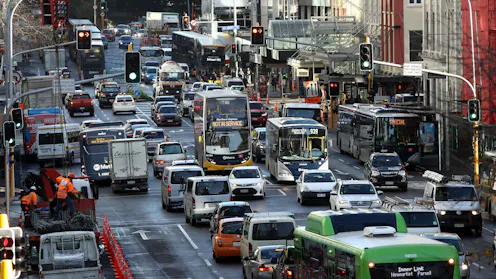
Auckland has settled on how congestion charging could work. But overseas experience shows the alternatives to driving are just as important.
- Senior Lecturer in Urban Planning, University of Auckland, Waipapa Taumata Rau
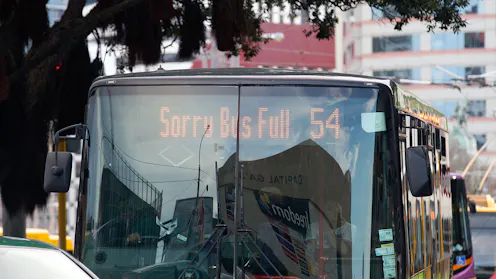
One party wants to lower fares. The other wants more services. Neither proposal represents a serious plan to address decades of public transport underfunding.
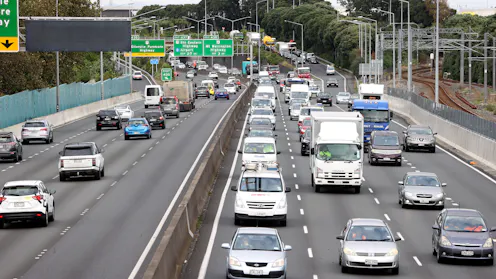
Budget 2026 increases road spending – while offering limited support for public transport, emissions cuts and climate resilience.
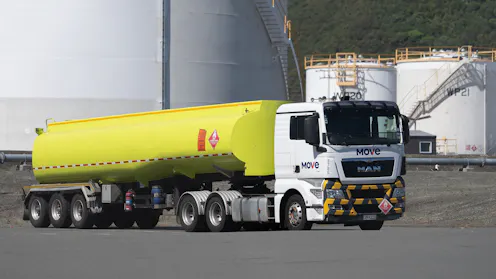
Promoting fuel saving measures as vital to energy security would help frame the oil shock as a technical problem to be solved, not a political issue to be fought.
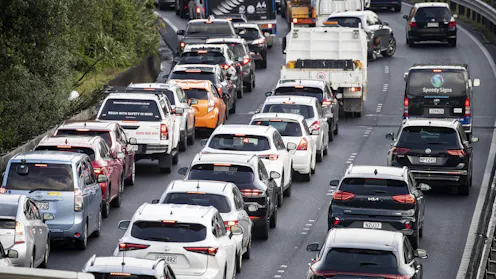
New Zealand generates more than 85% of its electricity from renewable sources, but transport remains almost entirely chained to imported oil.
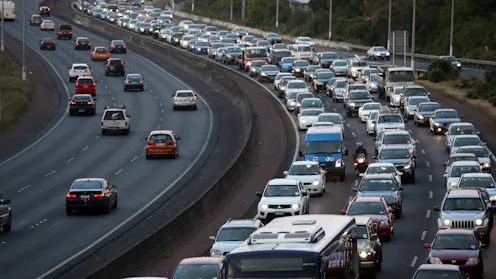
The cost of ‘network disruption’ due to accidents is more than normal estimates suggest, casting doubt on the logic of raising speed limits to boost productivity.
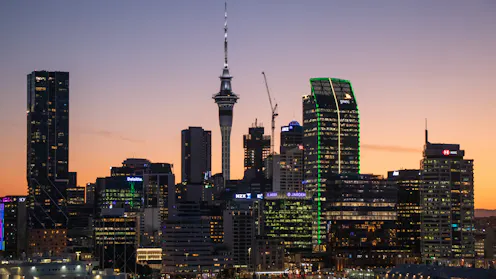
Other countries have learned to harness the economic and cultural energy of their super-cities, but New Zealand is held back by Auckland’s failure to thrive.
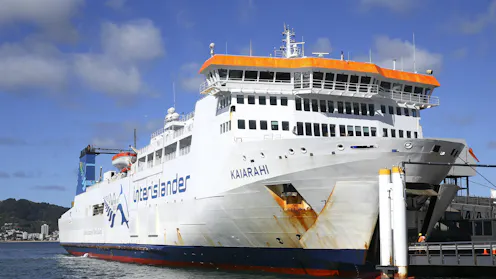
The Cook Strait ferry fiasco is just another symptom of a wider malaise: an inability to deliver, on time and at cost, the infrastructure that keeps the economy moving.
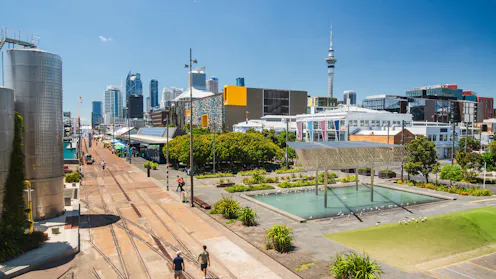
Converting open-air car parks and creating green cooling corridors on transport routes is an easy and affordable way to beat the city heat as the climate changes.

Rule changes to allow larger granny flats follow a well-established pattern in New Zealand: modest reforms to address big and complicated problems.

Documents show the government is going against expert advice and strong economic evidence by insisting higher speed limits will improve productivity.

The proposed Future Fund is right on the money given New Zealand’s needs. But the three-year electoral cycle and lack of cross-party agreement could see it become just another political football.
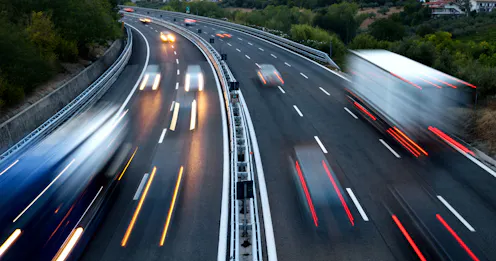
Higher speed limits are coming. But the case against them isn’t based on road safety alone – claims of increased economic efficiency are not supported by the evidence, either.
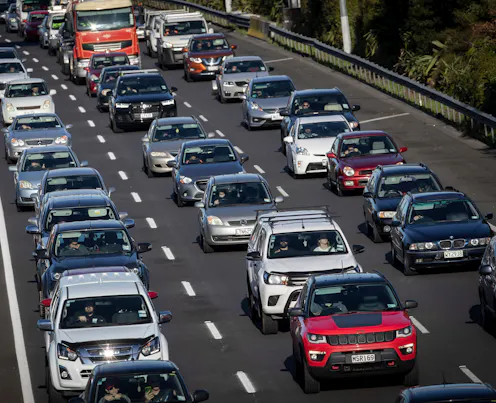
The billions allocated for roads in the National Land Transport Programme will not see any actually built in the next three years.
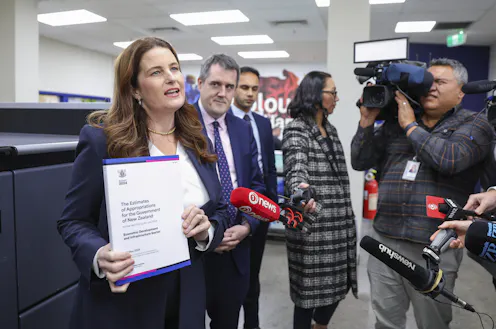
Finance minister Nicola Willis made good on two promises with her first budget – tax cuts and no surprises. But the belt tightening required to do that will have longer-term consequences.
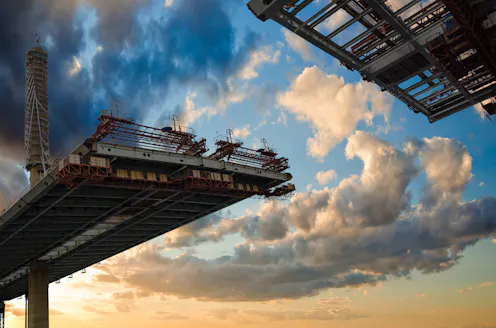
A report released next week argues the real problem with New Zealand’s inadequate infrastructure is not money – it’s the three-year political cycle. We need a 30-year, cross-party national plan.
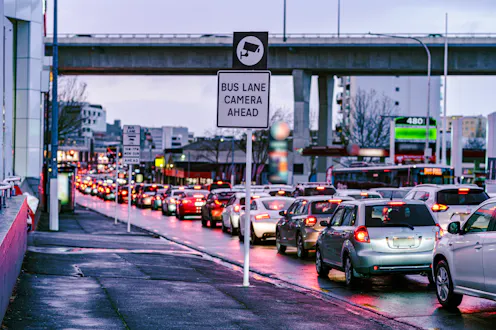
By moving to scrap the Auckland regional fuel tax, the government continues a decades-long pattern of transport policy U-turns that leave the city – and country – without a sustainable way forward.
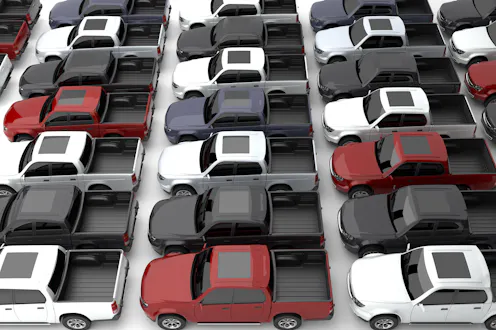
With the Clean Car Discount under threat, more large, polluting and dangerous vehicles will hit New Zealand roads. That will further discourage walking and cycling.
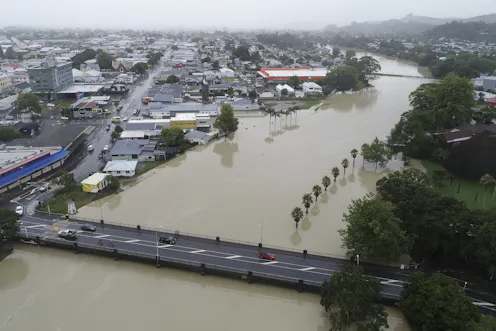
A new report sets out the practical ways New Zealand can improve its urban resilience to flooding due to climate change. But time, rather than money, is of the essence.
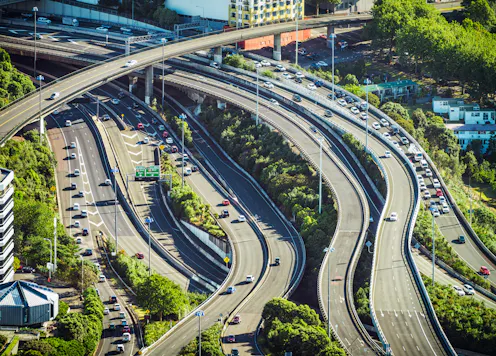
The National Party’s transport policy risks locking the country into a car-dependent, high-carbon future.
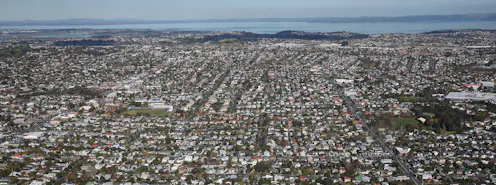
New Zealand’s Medium Density Residential Standards already didn’t go far enough. But by abandoning bipartisan support for them, National risks throwing the baby out with the bathwater.
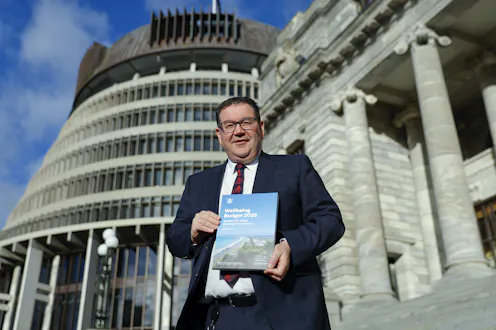
Incremental and pragmatic, New Zealand’s fifth Wellbeing Budget tries to balance cost-of-living support with huge long-term investment challenges – all without frightening the inflation horses.
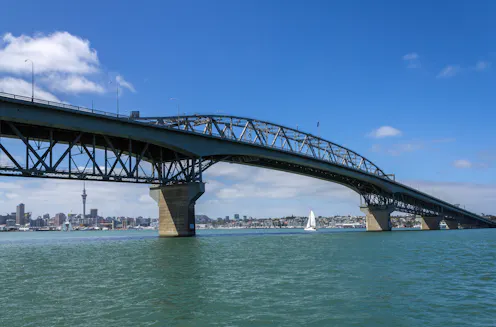
The original plans for Auckland’s harbour bridge included tolled cycle lanes. A version of that is a better plan than the second crossing options now on offer.
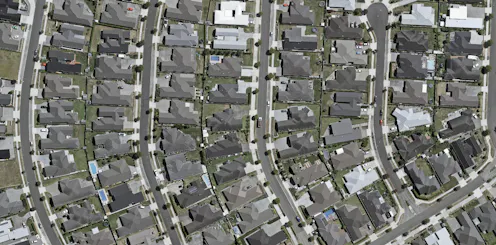
New Zealand’s urban green space has dwindled over the past six decades. The Commissioner for the Environment has issued a warning and a challenge – get greener before climate change gets meaner.
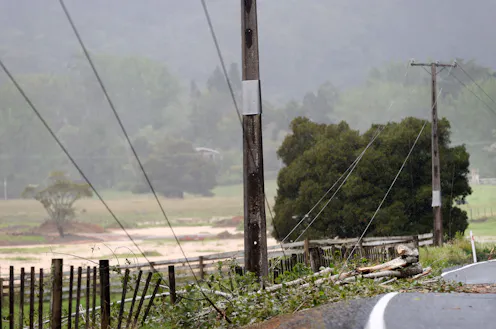
Underground power lines are safer, more resilient and less of an eyesore. The higher upfront cost will pay off in long-term benefits.
Contact Timothy for
- General
- Media request
- Speaking request
- Consulting / Advising
- Research collaboration
- Research supervision
- Location: Auckland, New Zealand
- Website
- BlueSky: @tfwelch.com
- LinkedIn: tfwelch
- YouTube: @twelch
- Article Feed
- ORCID
- Joined
