
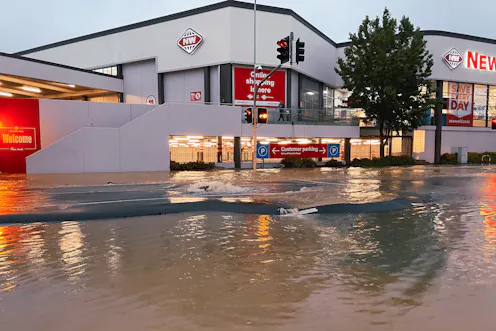
The more hard surfaces we build, the more stormwater we need to drain. Auckland must future-proof its urban design as climate change bites.
- Senior Lecturer in Urban Planning, University of Auckland, Waipapa Taumata Rau
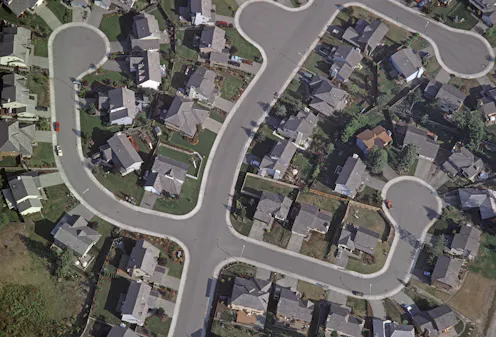
Developers love the cul-de-sac, but for the rest of us it’s one of the least practical and efficient ways to design streets.
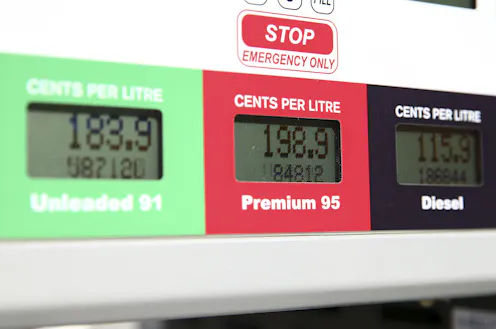
How does keeping the price of petrol and diesel down align with New Zealand’s goal of being carbon zero by 2050? And do price caps even work anyway?
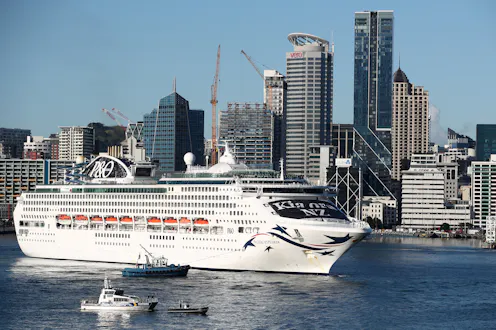
Cruise liners are back and demand is reportedly strong. But given their environmental impact and relatively low economic benefit, how sustainable is this kind of tourism?
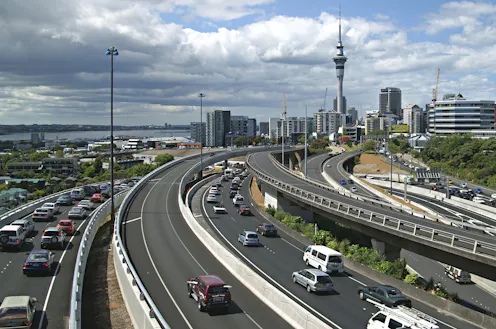
Tackling climate change is a budget priority, but will we see the major investment in cycling infrastructure and public transport that is one obvious solution?
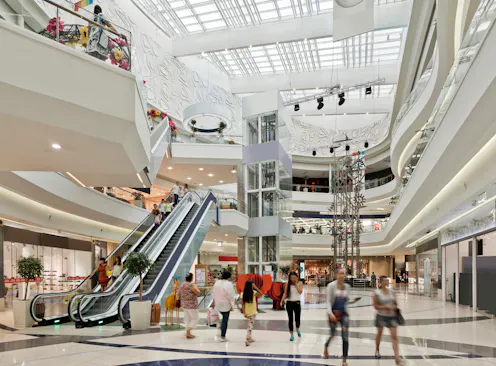
If you’re stuck in mall traffic this holiday season, spare a thought for Victor Gruen, whose grand urban vision turned into today’s suburban reality.

Electric cars are hailed as the best way to cut transport emissions, but it’s an illusion to think we can reduce our environmental impact without changing the way we design and move about in cities.
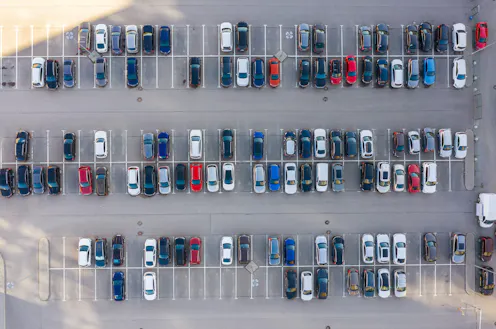
A single open-air car park takes up land that could potentially house hundreds of people.
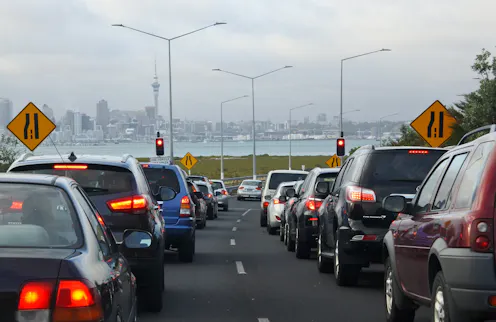
To reduce pressure on cities and the environment, drivers should face a charge that reflects the actual costs of clogged roads, air pollution, climate change, injury and death.
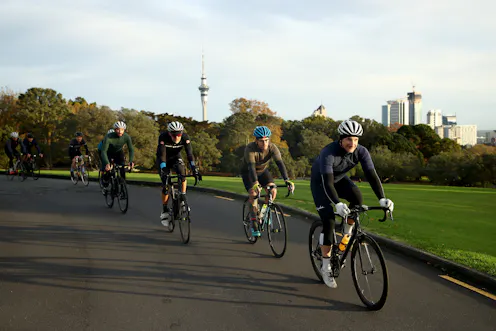
It’s time to stop demonising cyclists and cycling activists as elitists — the accusation fails at the first test.
Contact Timothy for
- General
- Media request
- Speaking request
- Consulting / Advising
- Research collaboration
- Research supervision
- Location: Auckland, New Zealand
- Website
- BlueSky: @tfwelch.com
- LinkedIn: tfwelch
- YouTube: @twelch
- Article Feed
- ORCID
-
- Joined
