
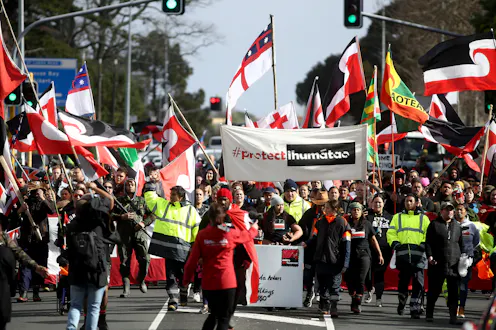
A Treaty framework developed for New Zealand On Air offers a way for journalists to critically evaluate their own work and promote more accountable and equitable day-to-day reporting.
- Professor of Race Relations, Health and Wellbeing, Te Kunenga ki Pūrehuroa – Massey University

So-called ‘limbic capitalism’ uses social media to target the brain’s reward centres. In the process it escalates health threats to the most vulnerable consumers.

David Seymour says misinterpretation of the Treaty risks creating an ‘ethno-state’. But ‘Critical Tiriti Analysis’ aims to enhance democracy by ensuring a Māori voice at the heart of policy making.
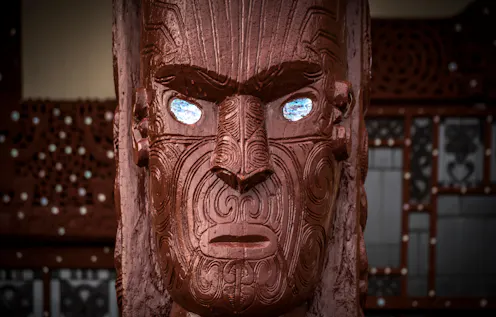
Māori knowledge, memory and cultural strength will only enhance New Zealand’s economic recovery planning – if they are listened to.
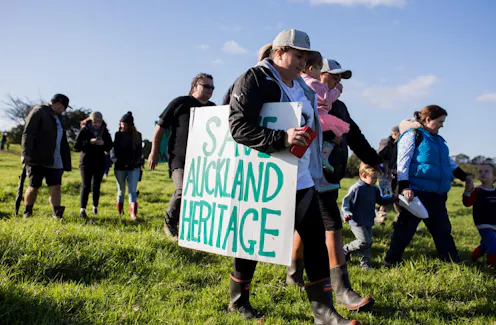
Built colonial heritage represents more than 80% of the sites on New Zealand’s national heritage list. This leaves some 700 years of Indigenous settlement significantly under-represented.
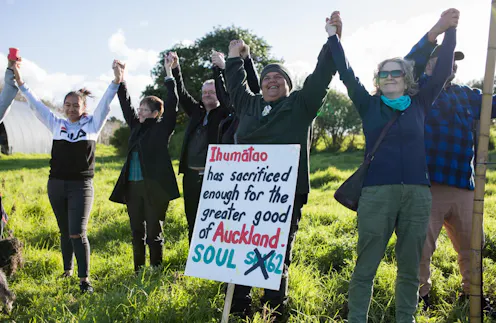
New Zealand is the last major landmass to be settled. One of the sites of earliest occupation is under threat from development, despite its cultural significance for Māori.

Māori and Pasifika leaders’ experience of racism in government advisory groups suggests ongoing inequities in New Zealand health policy.
Contact Tim for
- General
- Media request
- Speaking request
- Consulting / Advising
- Research collaboration
- Research supervision
- Article Feed
- ORCID
- Joined
