
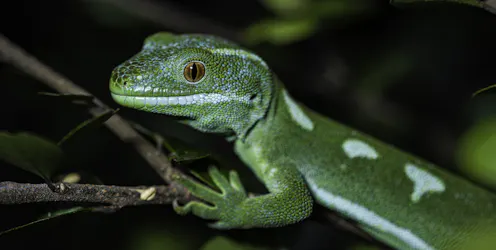
New Zealand’s plants and animals are globally unique and underpin primary production and tourism. The government’s fast-tracking proposal threatens to erode the natural capital the economy relies on.
- Associate Professor of Ecology, Lincoln University, New Zealand
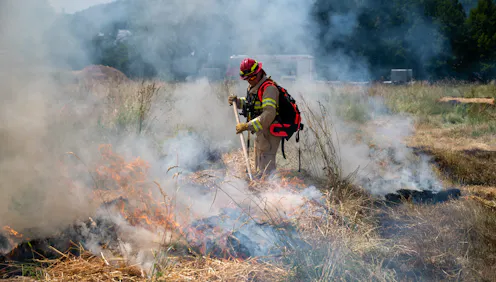
Redesigning agricultural landscapes to plant fire-retardant crops could help mitigate wildfires in an increasingly fire-prone world.
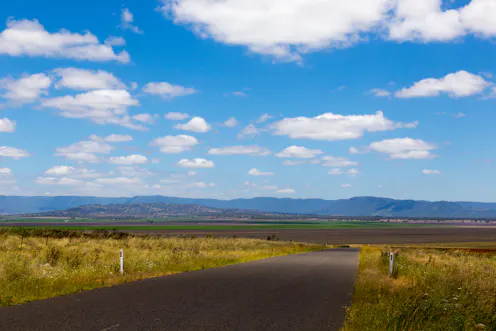
Critically endangered grasslands and productive farmland in NSW would be cleared to lay the Hunter Gas Pipeline.
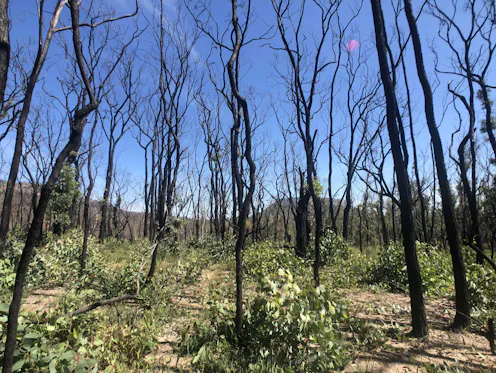
Muchas plantas son realmente buenas resistiendo los incendios forestales, pero la combinación de sequías, olas de calor y plagas de insectos acrecentadas por el cambio climático puede llevarlas al límite.

Many plants are really good at withstanding bushfires, but the combination of drought, heatwaves and pest insects under climate change may push them to the brink.
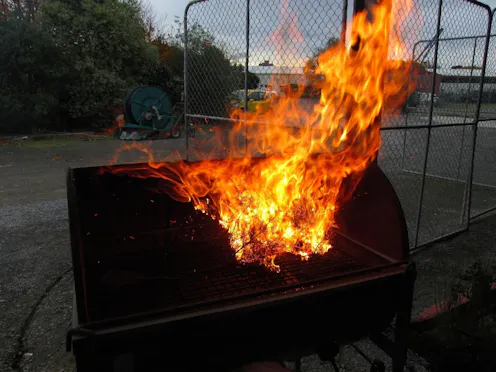
Wildfires are expected to increase in a warming world, but there is another way humans are changing the patterns and intensity of fires: by introducing flammable plants to new environments.

You might think having trees around your home is the worst idea during a bushfire, but some plants can actually help repel fire.
Contact Tim for
- General
- Media request
- Speaking request
- Consulting / Advising
- Research collaboration
- Research supervision
- Location: Lincoln, New Zealand
- Website
- X (formerly Twitter): @TimCurran8
- Article Feed
- ORCID
- Joined
