

The participants who chose more organically grown foods over 4.5 years had slightly lower rates of cancer. But it doesn’t necessarily mean one thing caused the other.
- Associate Professor, Deakin University
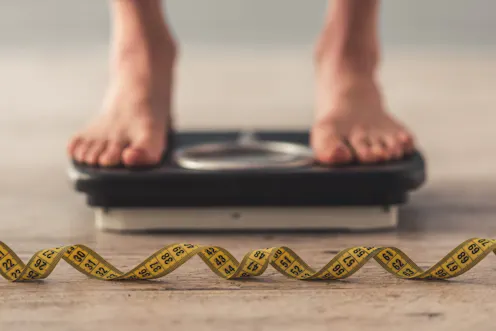
Qui n’a jamais calculé son indice de masse corporelle, afin de savoir si son poids était gage de bonne santé ? Cet indicateur est pourtant loin d’être aussi pertinent qu’il est populaire…
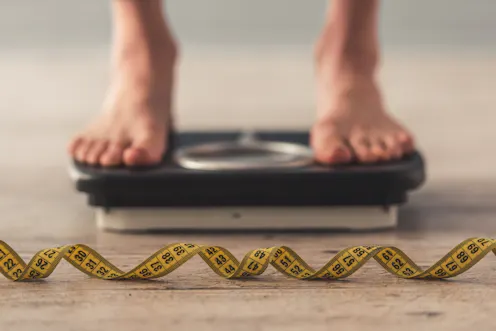
All five experts said BMI is not ideal for determining the health of your weight.

The study showed that every 10% increase in consumption of ultra-processed food was linked to a 12% increase in developing some types of cancers. But it didn’t show the processed food caused cancers.
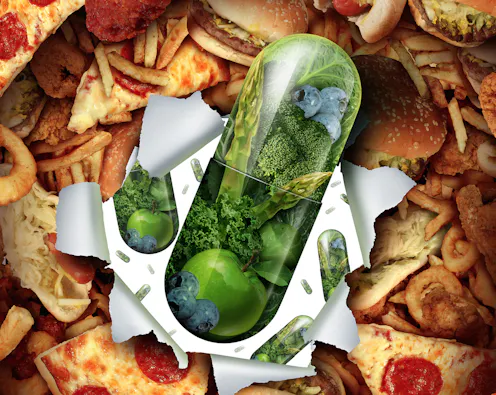
Recent diet and health surveys show the typical Australian diet is far from what is considered a healthy diet. Can vitamin and mineral supplements come to the rescue?
Nearly 40,000 cancers diagnosed in Australia can be prevented if people avoid known risk factors for the disease, according to research published today.

National dietary guidelines have become an easy target for those looking for a scapegoat for bad diets in rich countries. And a BMJ article about draft US guidelines adds further fuel for the fire.
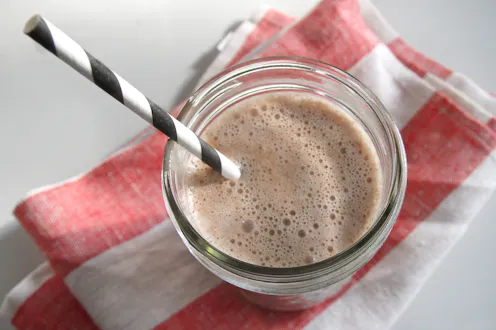
The decision to use protein supplements is based more on marketing claims than anything else. They offer few real performance benefits that an athlete’s normal diet isn’t already delivering.

In the tradition of the classic food-binging film Super Size Me, comes a public self-experiment showing eating too much sugar and highly-processed foods is not so good for us. But is it any good?

If you believe cancer is a disease that strikes from nowhere with little in your control to prevent it, you’d be mistaken on both counts. Most cases of cancer are considered preventable by positive nutrition…
There are claims that cooking destroys nutrients and enzymes found in food, and that eating raw, uncooked foods must be better for you. But it’s not that simple and, as Tim Crowe explains, a pure raw-food…

Nutrition research often loses sight of the wood for the trees by focusing on a single component of food. The latest example of this comes from a study published in JAMA Internal Medicine today that shows…
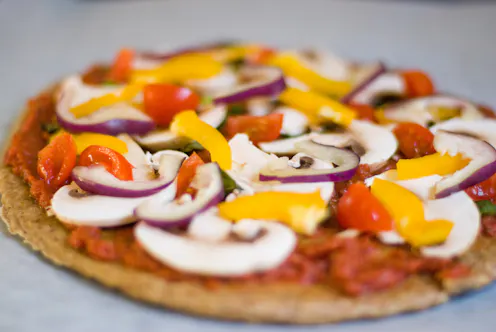
Eating only raw foods has emerged as a popular dietary trend. Proclaiming an emotive health message, it is enough to make you think twice before next adding heat to your food. But fear not – on the scales…

Today we launch Health Check, an ongoing series which injects scientific evidence into popular health discussions. Stay tuned for a new Health Check each Monday afternoon. Eating more fruits and vegetables…

Short bouts of intermittent exercise throughout the day may be better than one vigorous workout in convincing your brain that you are full, according to a new study published in the journal Obesity. The…
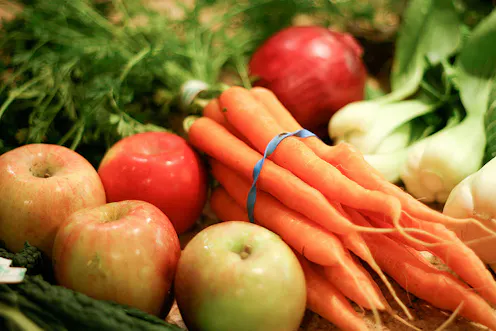
The National Health and Medical Research Council (NHMRC) today released its updated Australian Dietary Guidelines to advise Australians about the types and amounts of foods needed to maintain a healthy…
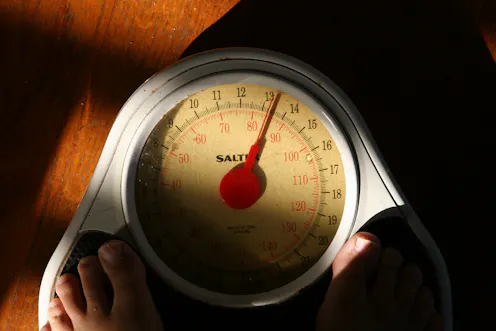
People are increasingly reporting their weight as lower than it is, skewing data on obesity rates, according to a new Irish study. The study, published today in PLOS ONE, found the gap in obesity levels…
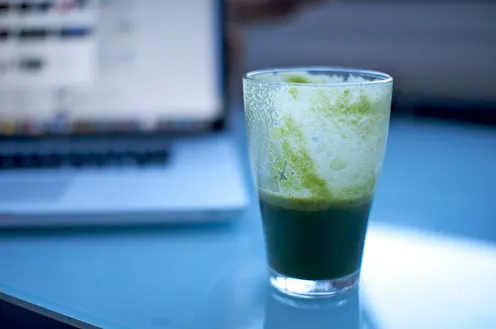
Detox diets make amazing promises of dramatic weight loss and more energy – all achieved by flushing toxins from the body. Toxins have very little to do with it; detox diets “work” because of the very…
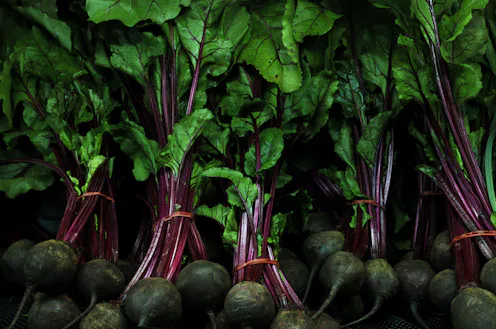
Organic food may come with less pesticides but there’s little evidence it’s better for you, say researchers from Stanford University. In a study published today in Annals of Internal Medicine, Dena Bravata…

OBESE NATION: It’s time to admit it - Australia is becoming an obese nation. Today we launch a series looking at how this has happened and, more importantly, what we can do to stop the obesity epidemic…
People who struggle to lose weight often blame their difficulty achieving a healthy weight on their “slow metabolism”. So is this a real barrier to weight loss, or is the real culprit an excess of food…

We often hear, from health experts and well-meaning parents, that soft drink is terribly unhealthy and we should opt for fruit juice instead. But apart from a few additional vitamins and minerals, there…

Welcome to part four of The science behind weight loss, a Conversation series in which we separate the myths about dieting from the realities of exercise and nutrition. Here, Deakin University nutrition…

One of the few positives put forward by smokers to justify their habit is that it helps keep their weight in check. And while smoking may be harmful to their health, so is obesity. So how does this claim…
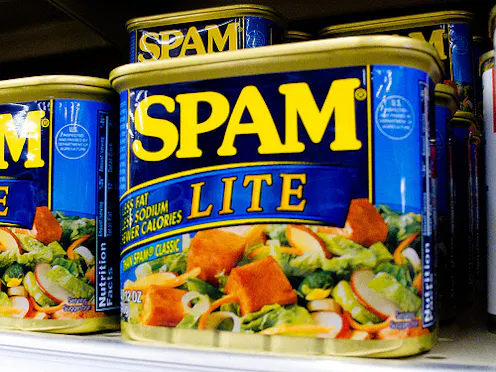
How much can you believe about claims made on food packaging? For any mention of the word “light” or “lite”, feel free to add your own definition – that will have about as much credibility as any claim…
