
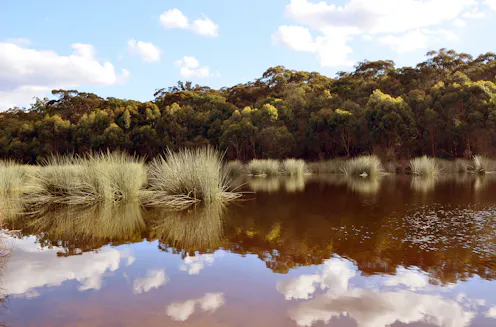
80% of carbon on land in stored in soil. Our new research investigated how erosion transports this carbon to the bottom of lakes, where it’ll never be released into the atmosphere.
- Associate Professor and ARC Future Fellow, University of Wollongong
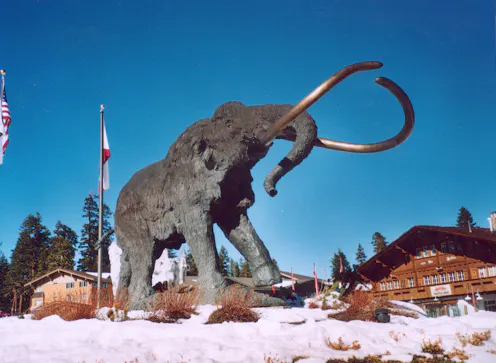
New research challenges previously held views that the Ice Age, giant biblical floods or hunting by humans were the key drivers behind the disappearance of megafauna.

Huge beasts roamed Australia before suddenly dying out around 50,000 years ago. New research shows that at this time, vast inland lakes dried up, potentially explaining the megafauna’s demise.
Contact Tim for
- General
- Media request
- Speaking request
- Consulting / Advising
- Research collaboration
- Research supervision
- Location: Wollongong
- Article Feed
- Joined
