
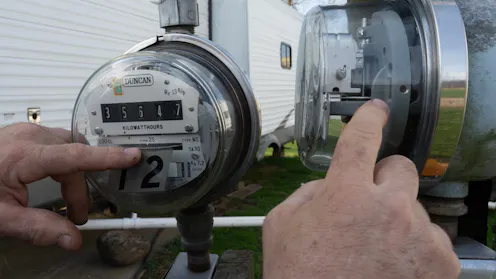
Setting a price for power might seem straightforward, but in reality it’s extremely complicated – and residential customers have very little influence in the decision.
- Director of Energy Studies, University of Florida
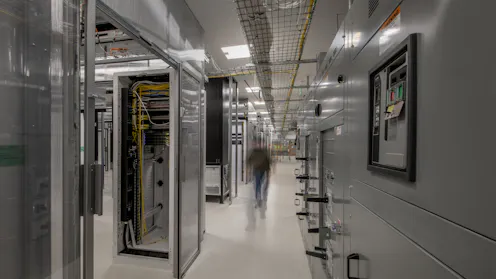
How many data centers will be built – and how much electricity they’ll need – is uncertain. Being prepared costs money, but so does being unprepared.
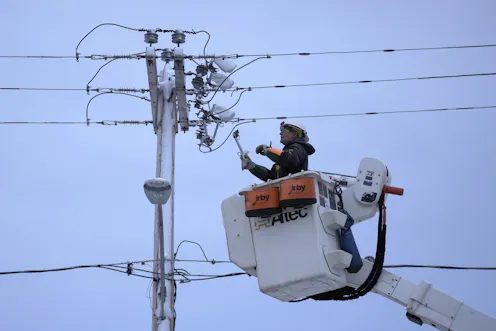
Power companies can be publicly or privately owned and may report to corporate boards, local governments or co-op members. But there’s no one best way to deliver electricity reliably and affordably.

The US government regulates many industries, but social media companies don’t neatly fit existing regulatory templates. Systems that deliver energy may be the closest analog.
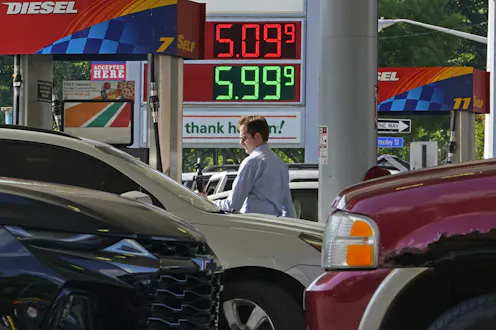
We asked four experts to explain what gas taxes are used for and whether waiving them will make much of a difference to American households.
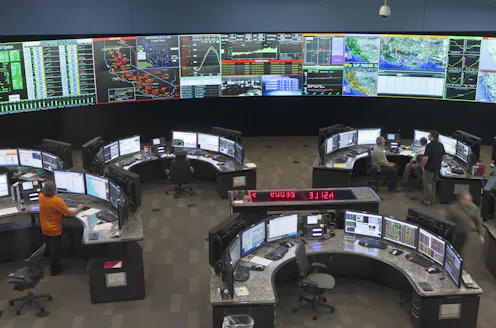
Sometimes wind and solar power produce more electricity than the local grid can handle. Better energy storage and transmission could move extra energy to where it’s needed instead of shutting it off.
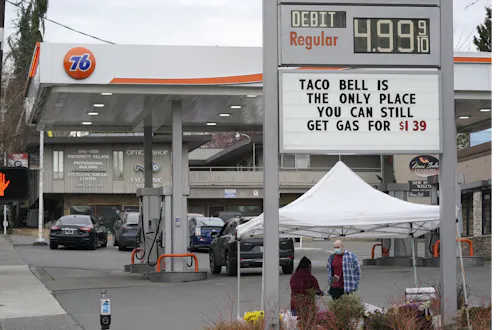
Consumers are feeling pain at the pump and demanding solutions. Some politicians are pushing gasoline tax waivers – but that means less money to fix roads, and often not much economic relief.
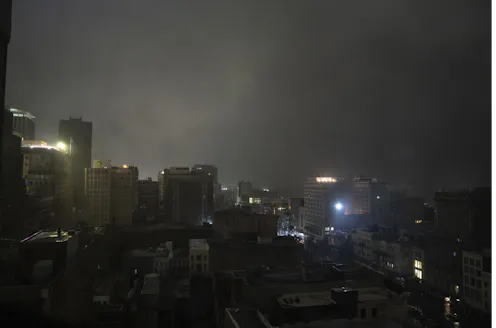
Hurricane Ida left the entire city of New Orleans in the dark and renewed discussion of burying power lines. But there’s no way to completely protect the grid, above ground or below.
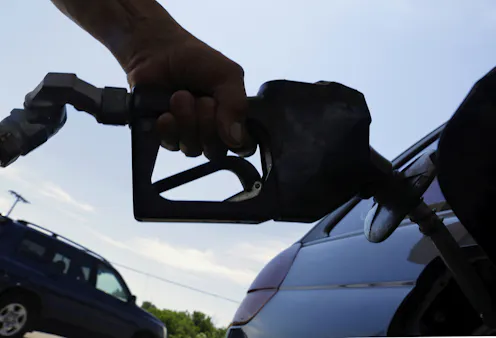
A bipartisan group of senators proposed the gas tax should be indexed to inflation to help pay for new infrastructure spending, an approach Biden calls ‘regressive.’
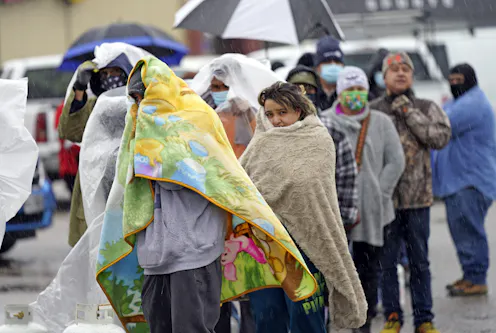
The Texas electric power market is designed to give energy companies incentive to sell electricity at the lowest possible cost. That focus helps explain why it collapsed during a historic cold wave.
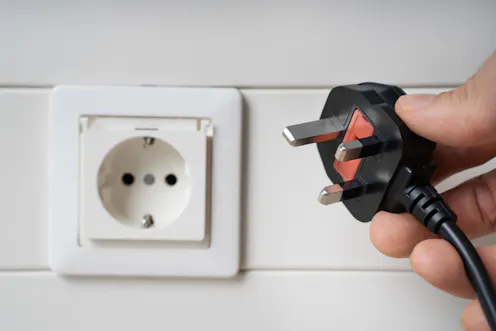
Ada 15 steker yang berbeda yang digunakan di seluruh dunia.
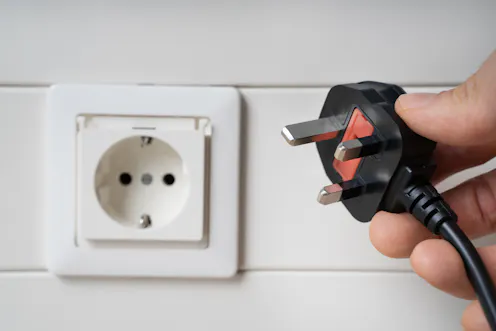
There are 15 different kinds of electrical outlets around the world. One standard would be more convenient, but no one wants to change theirs.
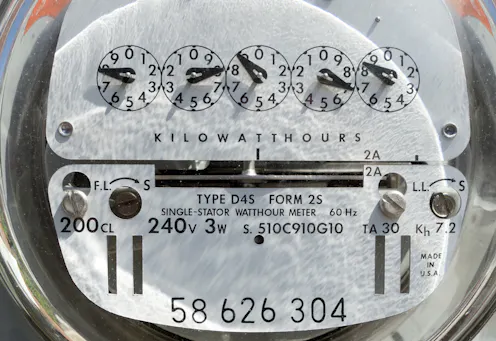
Many Americans have been unable to pay their electric bills during the COVID-19 pandemic, racking up billions of dollars in delinquent bills. Where will the money come from?
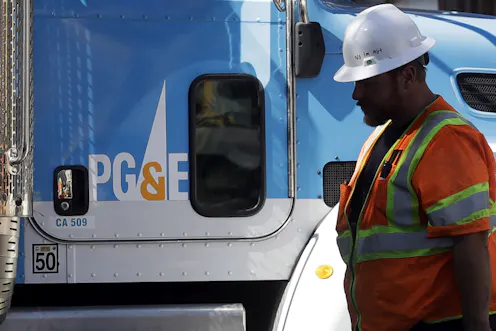
Customers, cities and investors are all eager for a piece of PG&E, but it isn’t the only US utility that may have new owners soon.
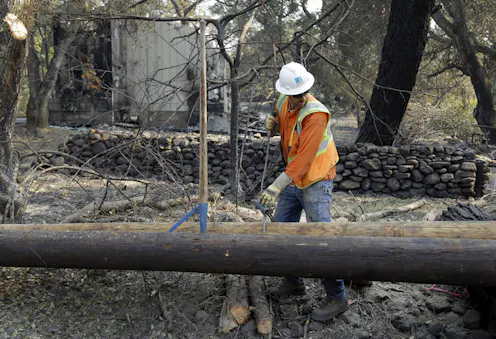
The electric utility is seeing rapid changes and threats that affect consumers, from more wind and solar to wildfires. How they react depends in large part on regulators.
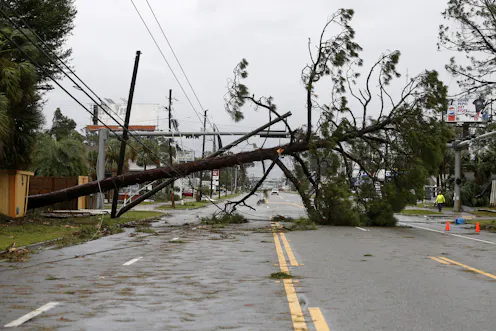
Hurricanes Michael and Florence have knocked power out for millions of people. Burying power lines could help but the costs are high.
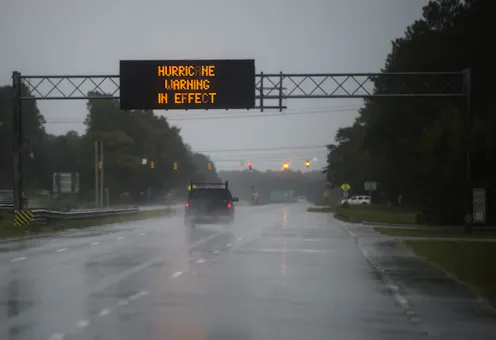
Le passage de l’ouragan Andrew, en 1992, et les enseignements tirés de la tragédie de Fukushima ont changé la manière dont les centrales nucléaires font face aux phénomènes cycloniques.
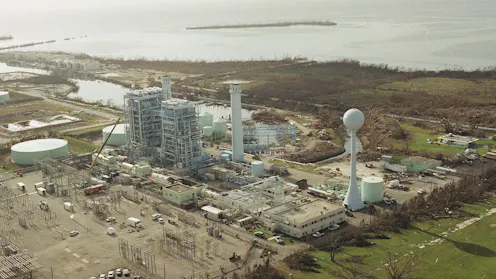
Lessons learned from Hurricane Andrew in 1992 and the Fukushima disaster in 2011 have changed how utilities brace for big storms.
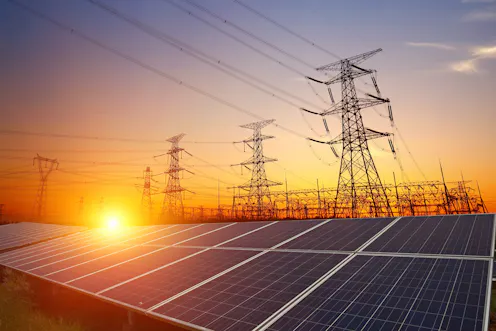
It’s easier to see how customers benefit from increased grid security than it is to justify making them pay for it.
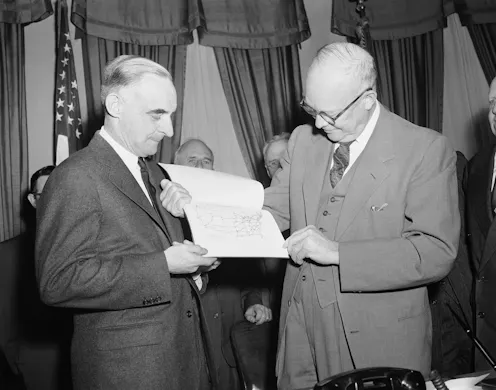
Despite all their anti-tax sentiments, Republicans from Hoover to Trump have embraced this levy on sales at the pump.
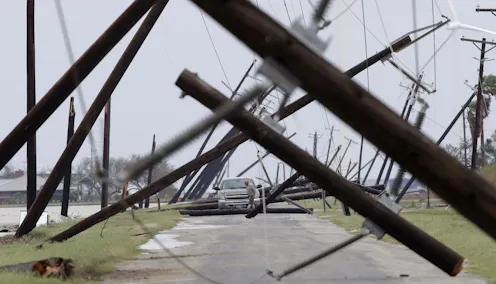
Would putting power lines underground avoid hurricanes knocking out electricity service for millions of people? The answer is not as straightforward as it seems.
Contact Theodore for
- General
- Media request
- Speaking request
- Consulting / Advising
- Research collaboration
- Research supervision
- Location: Gainesville, Florida, U.S.
- Website
- Article Feed
- Joined
