

Sports journalism has sometimes been called the ‘toy department,’ since it was known for less serious reporting. But the sports page has an opportunity to take on a real watchdog role.
University of Florida

The University of Florida is a top-10 public, land-grant research university and the state’s oldest and most comprehensive higher education institution. With 16 colleges and more than 170 research centers and institutes on its Gainesville campus, UF is among the nation’s six most academically diverse universities.
A member of the prestigious Association of American Universities, UF is consistently ranked among the nation’s best institutions: No. 8 in U.S. News & World Report’s “Top Public Schools” (2019); No. 1 in the Times Higher Education rankings for graduate employability (2016); No. 2 in Kiplinger’s “Best Values in Public Colleges” (2018); and No. 10 on the Forbes list of best value public universities (2019).
UF is a leader in research and discoveries which improve the lives of individuals throughout the state, nation and world. Its 6,000 faculty members conducted a record $865 million in research in 2018, with major funding from the public and private sectors. These research collaborations occur in diverse fields that include human, animal and agricultural life sciences, engineering and the physical and social sciences.
The university is also recognized as an international leader in technology commercialization, dating back to its development of the sports drink Gatorade in the 1960s. UF Innovate is regularly ranked among the top 10 institutions in the nation for technology licensing, patents and start-ups, as ranked by the Association of University Technology Managers, and its two business incubators have been named best in the world on several occasions.
Links
Articles
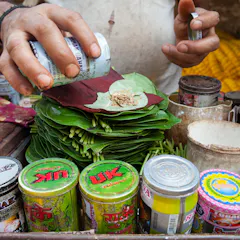
Betel nut is the fourth most-used psychoactive drug in the world – and new evidence suggests it was being used in Indonesia as long as 25,000 years ago.

A person with Tourette syndrome who holds back their tics may look fine, but keeping these involuntary urges contained can be draining.
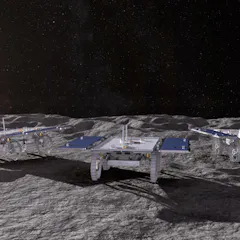
NASA’s CADRE mission will test a small team of autonomous rovers that can function without constant communication with Earth.
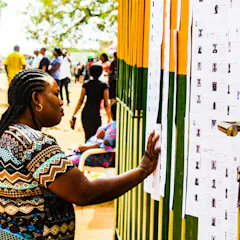
For many Malawians living in acute poverty, elections provided an opportunity to secure much-needed relief.
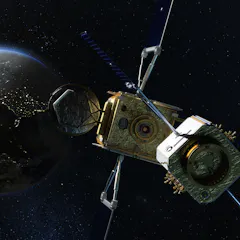
A new mission to save NASA’s Swift observatory shows why catching a satellite that was never designed for rescue is one of the hardest jobs in spaceflight.
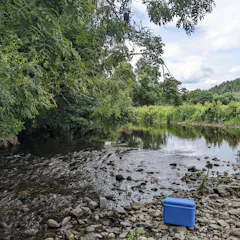
Environmental DNA contained in a small sample of water, sand or even air can reveal the presence of people, wildlife and pathogens, helping researchers track where they’ve migrated.
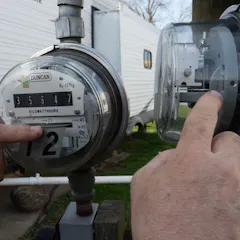
Setting a price for power might seem straightforward, but in reality it’s extremely complicated – and residential customers have very little influence in the decision.
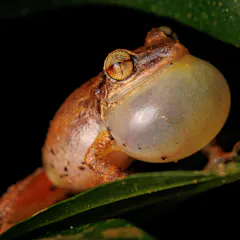
Un nuevo estudio rastrea cómo las ranas jóvenes equilibran la energía entre crecer y combatir infecciones.
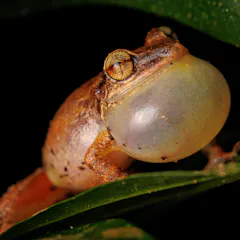
A new study tracks how young frogs are trying to avoid a deadly fungal infection.
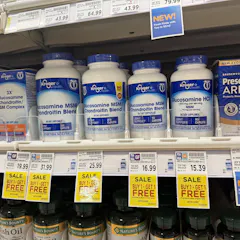
Animal experiments and analysis of patient records suggest that taking glucosamine is safe for a healthy brain but is associated with further decline in diseased brains.
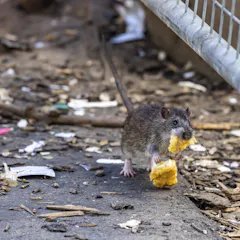
Weak surveillance and climate change could allow deadly hantaviruses to spread unnoticed across African countries, raising the risk of future outbreaks.
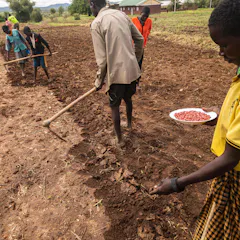
Figuring out how climate change will cause plant disease and pests to spread across Africa’s Great Lakes farms is critical for future food supplies.

Florida voters don’t like Gov. DeSantis’ redistricting plans, but it doesn’t tend to be a vote-determining issue.
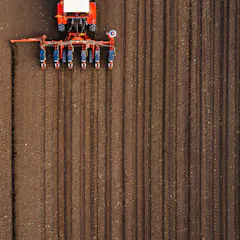
O Instituto Agronômico (IAC), vinculado ao Estadode São Paulo, acaba de criar a versão em plataforma digital interativa, apoiada por inteligência artificial generativa, de seu tradicional guia de fertilidade do solo para produção agrícola
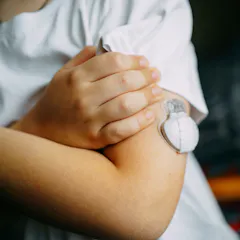
Genetics may only partially determine a newborn’s risk of developing Type 1 diabetes. Screening umbilical cord blood could lead to earlier treatments to prevent or reduce disease.
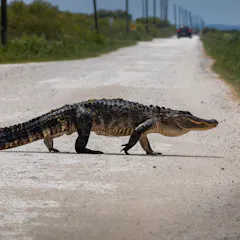
A new mapping tool allows local governments, conservation groups and landowners to understand how their land-use decisions affect wildlife and natural resources.
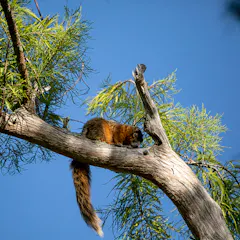
The Big Cypress fox squirrel is losing its habitat to urban and suburban development. But a few design changes could help to save this and other species.

Embora seja difícil encontrar evidências diretas da existência de múltiplos universos, as evidências indiretas levantam possibilidades intrigantes

While direct evidence of multiple universes is hard to come by, indirect evidence raises intriguing possibilities.
Authors
-

PhD Candidate, University of Florida
-
Graduate Research and Teaching Assistant in Journalism Studies, University of Florida
-
Associate Professor of Biology, University of Florida
-
Assistant Professor, University of Florida
-
Adjunct Research Scientist in Marine Bioscience, University of Florida
-
Preeminent Professor in the Plant Pathology Department, Global Food Systems Institute and Emerging Pathogens Institute, University of Florida
-
Professor of Neurology, Norman Fixel Institute, University of Florida
-
Associate Professor of Quantitative Wildlife Population Ecology, University of Florida
-
Postdoctoral Research Associate, Florida Museum of Natural History, University of Florida
-
Associate Professor, University of Florida
-
Associate Professor of Biochemistry and Molecular Biology, University of Florida
-
Professor of Neuroscience, University of Florida
-
Director of Energy Studies, University of Florida
-
Ph.D. Candidate in Aerospace Engineering, University of Florida
-
Posdoctoral Research Fellow in Biology, University of Florida