
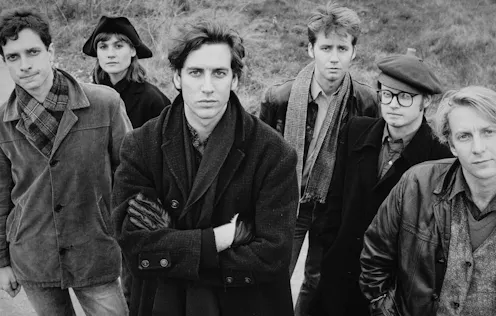
Perth band The Triffids were indie pioneers, and their charismatic vocalist David McComb, who died at 36, wrote lyrics imbued with the Western Australian landscape. A new film charts his story.
- Honorary Professor, Edith Cowan University
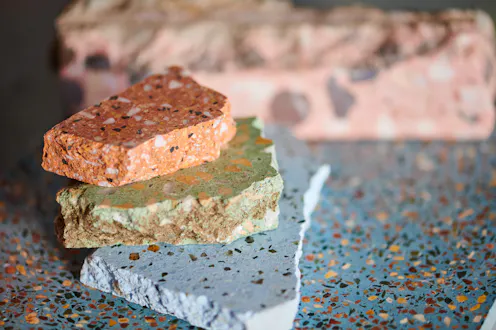
Australia’s love and rediscovery of terrazzo floors form the foundation for a new exhibition.

It takes time and money to create large scale sculptures. A new exhibition of works in cast concrete is testament to a remarkable philanthropic project.
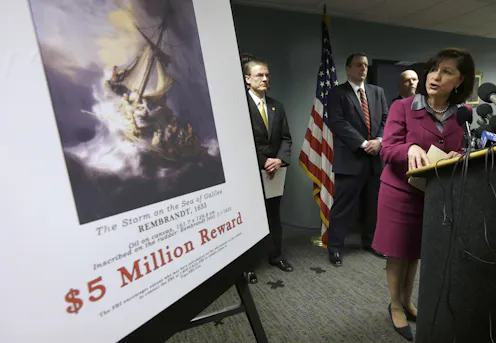
It may be the greatest robbery you’ve never heard of. In 1990 thieves stole US$200 million worth of art from a Boston gallery. A new Netflix series seeks to find the culprits.
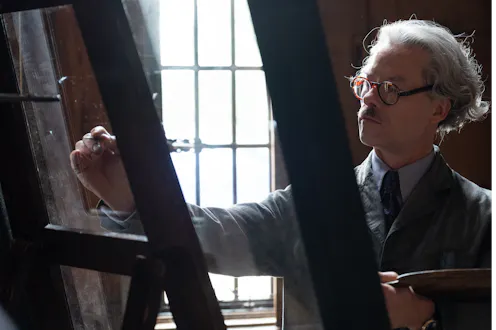
A new film ignores some of the most striking details of the man who sold a fake Vermeer to the Nazis.
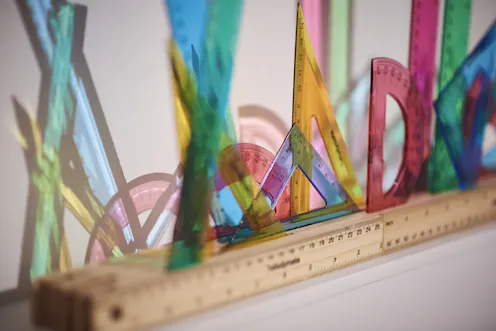
What if an ‘install crew’ was given carte blanche to take over the walls and floor of a gallery? At this year’s Perth Festival, this is exactly what happened.
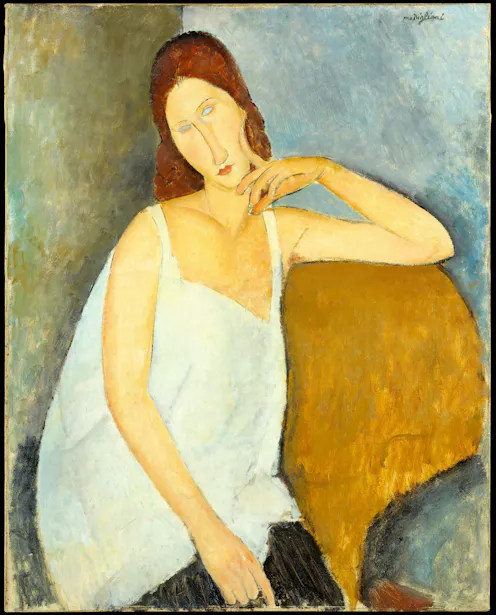
The true story of the artist Amedeo Modigliani (1884-1920) is a Greek tragedy. What a pity this documentary paints him as bland.
Whether you’re home sick or sick of being at home, our 13 experts have picked excellent things you can read, watch, look at or listen to.
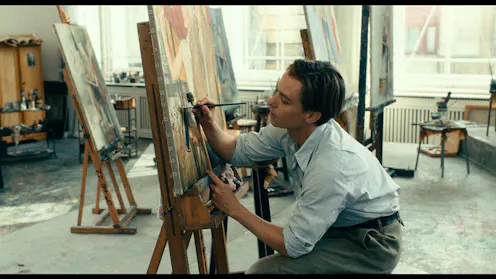
Standing out among the crowd of recent artist biopics, the new film Never Look Away peels back some unhelpful tropes that have blinkered our understanding of the artist’s process.
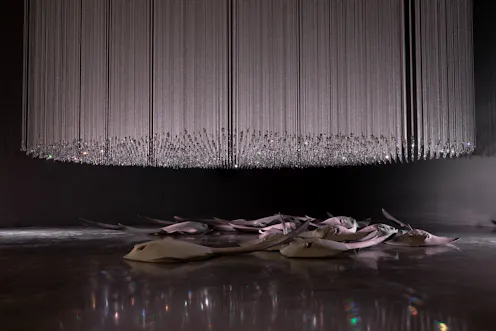
Abdul-Rahman Abdullah’s installation Pretty Beach tells a story from the artist’s childhood to explore mortality and grief.
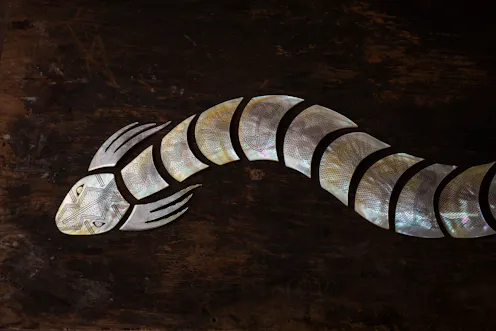
Indigenous artists and arts centres from the Kimberley region were invited to help curate this new exhibition, presented as part of the Perth Festival 2019.
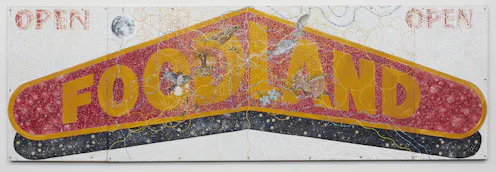
This Perth exhibition is a raucous, overwhelming, exciting and at times confusing immersion into ideas about national identity.
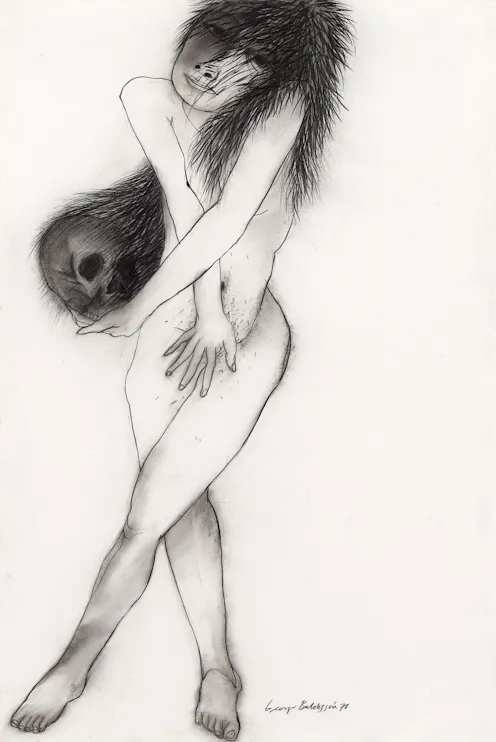
The images of Mary Magdalene made by Australian artist George Baldessin in the years before his sudden death in a car accident in 1977 are some of his most powerful works.
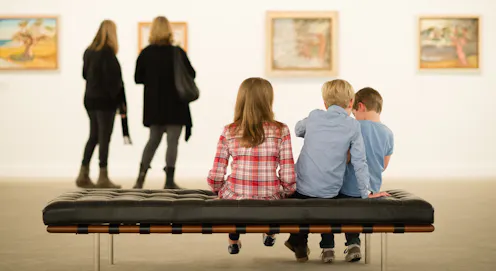
Degrees with a strong visual arts foundation will ensure individuals will flourish, not flounder, when faced with disruptive technologies.
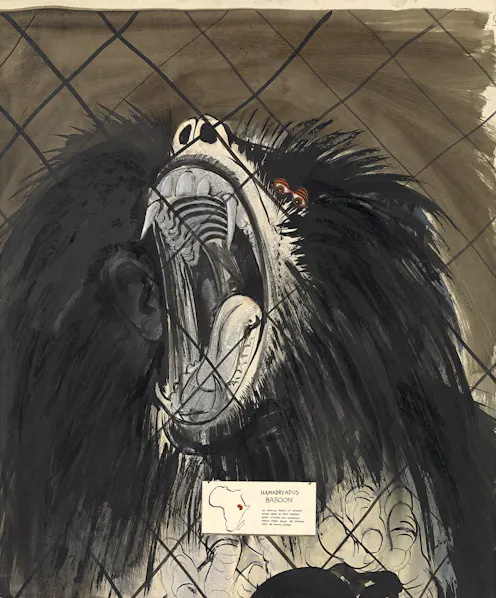
Throughout his life, Brett Whiteley made images of apes and monkeys. He found much in their character and physiognomy to identify with.
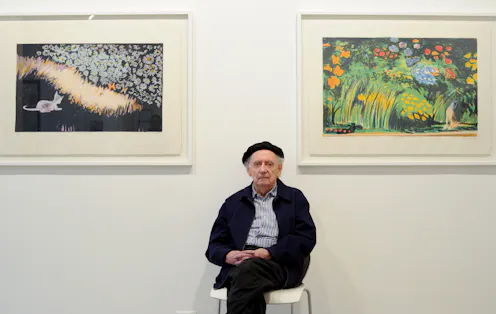
Charles Blackman forged an urbanised image of Australia that for most, was more familiar than the mythic landscapes of Sidney Nolan or Arthur Boyd. Yet though familiar, it remains uncomfortable.
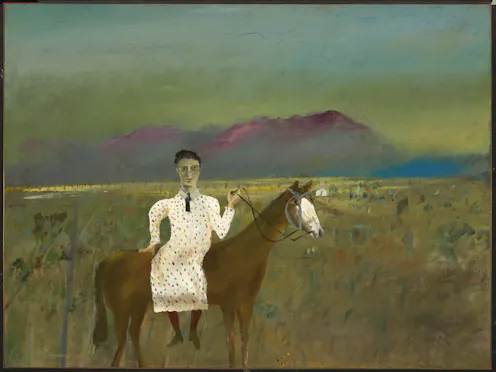
As a bushranger in the Kelly gang, Steve Hart took to dressing as a woman and riding side-saddle to avoid detection. Sidney Nolan’s painting captures Hart’s adolescent cockiness, bravery, and foolhardy bluster.
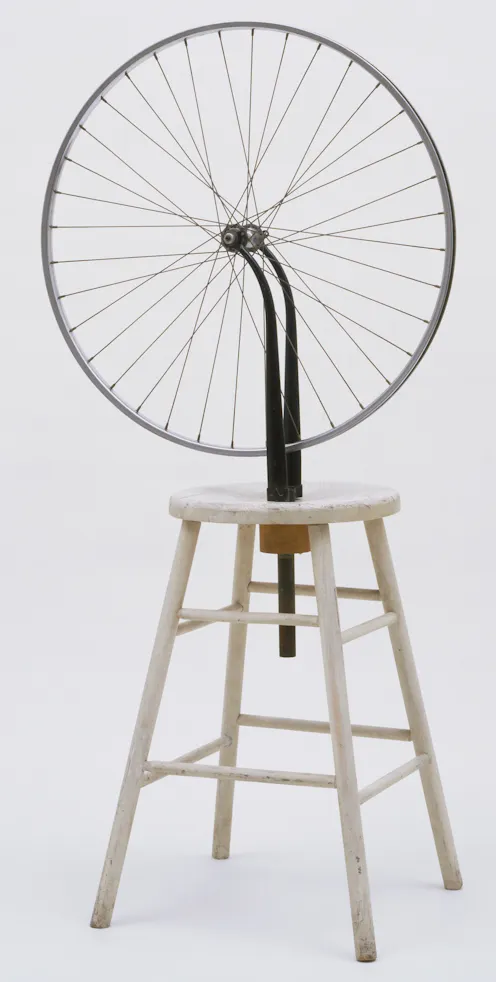
In his Bicycle Wheel, Duchamp made the perfect kinetic Futurist sculpture.
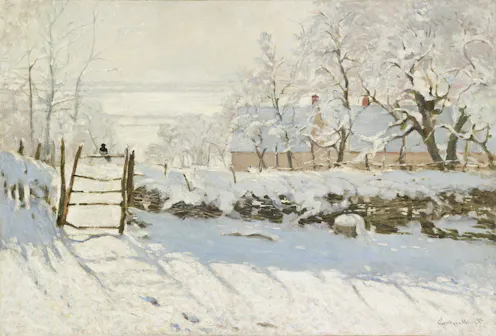
Claude Monet painted The Magpie in winter 1868, turning his interest in colour on the blank canvass of snow.
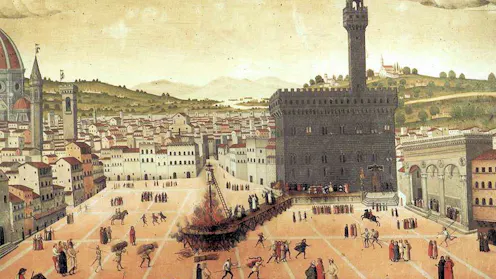
In 1497 Girolamo Savonarola burned books and art in Florence in the most infamous act of European cultural desecration. A year later, he met the same fate.
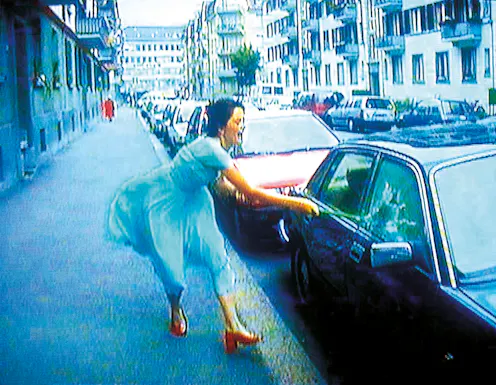
In 1997 Pippilotti Rist walked down a street of cars and smashed their windows in a vivaciously feminist call to arms. You might recognise the homage to Risk’s work in Beyoncé’s Lemonade.
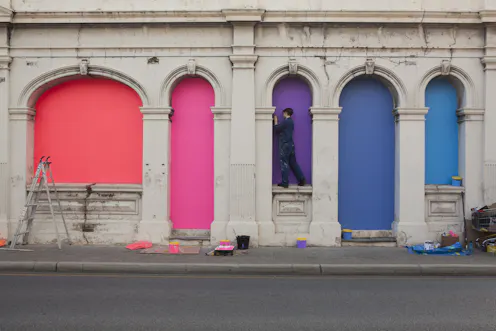
The artists in this inaugural event have created works within, on and around the buildings of an old port town.
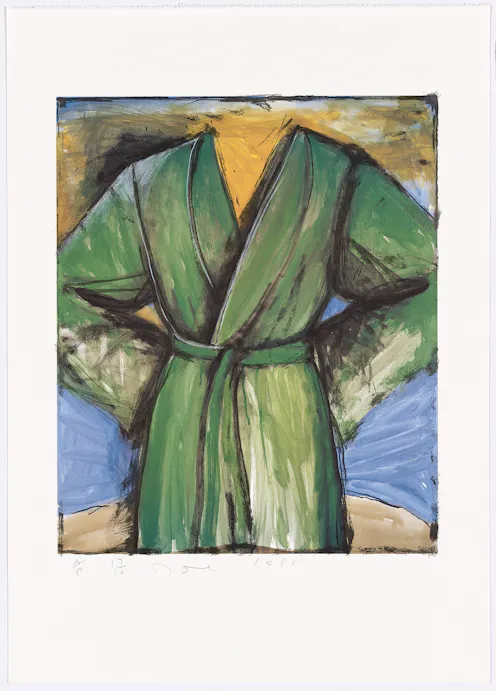
Jim Dine and other pop artists like Andy Warhol took everyday things and transformed them into magical objects. In his prints a robe could become a self-portrait, a president, or a hero.
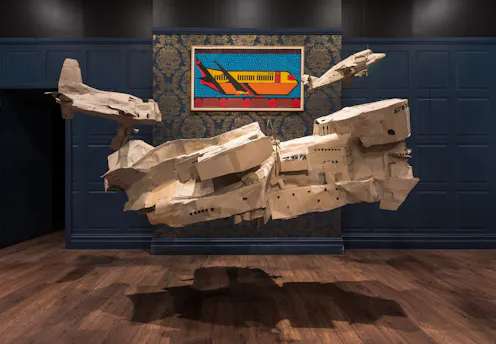
MONA’s latest exhibition draws on the work of people - patients, housewives, hermits - who were compelled to create, raising age-old questions about how we define art.
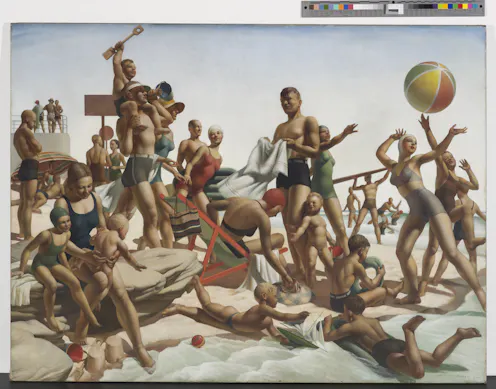
Charles Meere’s painting Australian Beach Pattern is commonly seen as an iconic celebration of our beach culture. But a new book suggests this celebrated work expresses far darker concerns.
