
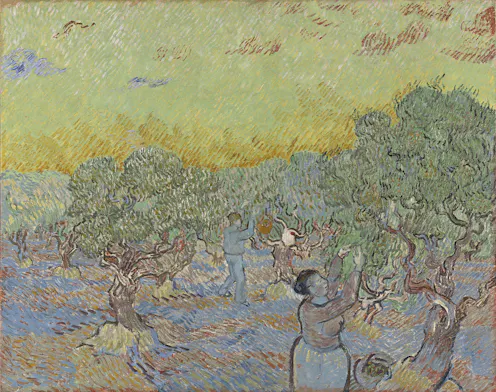
The pickers and sinewy olives in this painting all strain upward towards the hope of spiritual salvation. But six months after he completed it, Vincent Van Gogh walked out into a wheat field and shot himself.
- Honorary Professor, Edith Cowan University
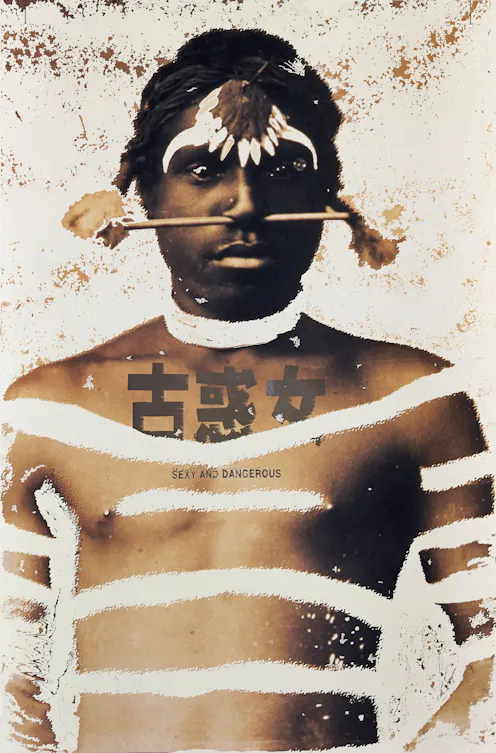
A 20th-century image of an anonymous ‘Aboriginal Chief’ becomes an investigation of power, colonialism and queer sexuality in the hands of Brook Andrew.
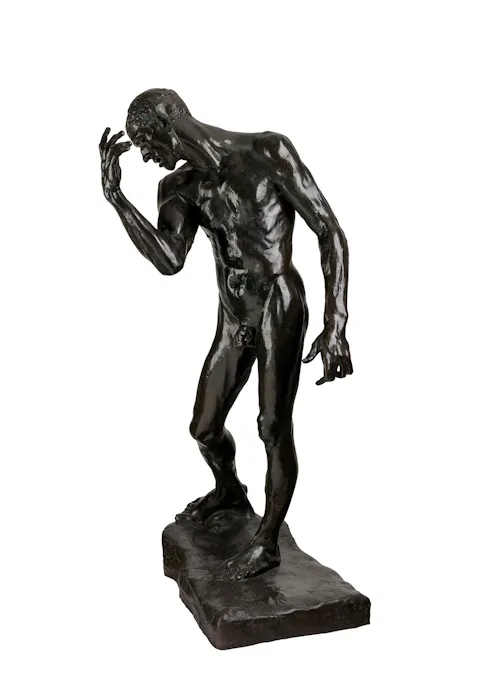
Our empathy for the anguished subject of this sculpture is heightened because although cast in bronze he is so tantalisingly human.
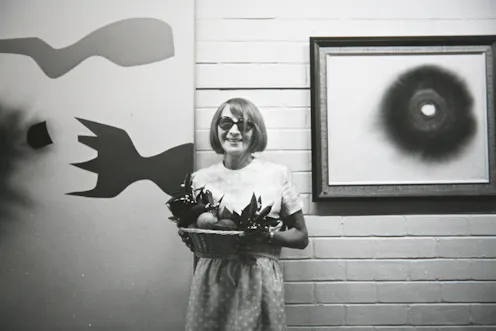
Rose Skinner opened her Perth gallery in 1958. But her contribution to the art world has been skimmed in Christopher Heathcote’s recent look at Australia’s early art market.
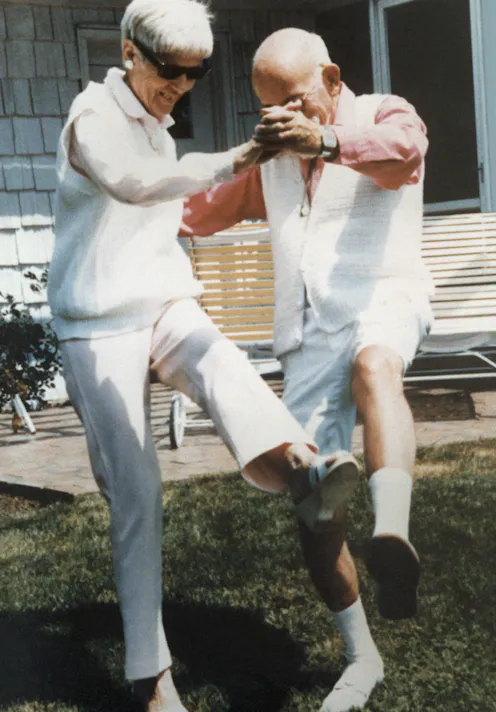
Many leading Australian artists have benefitted from a Samstag scholarship. But who were the Samstags and what motivated them to create this legacy?
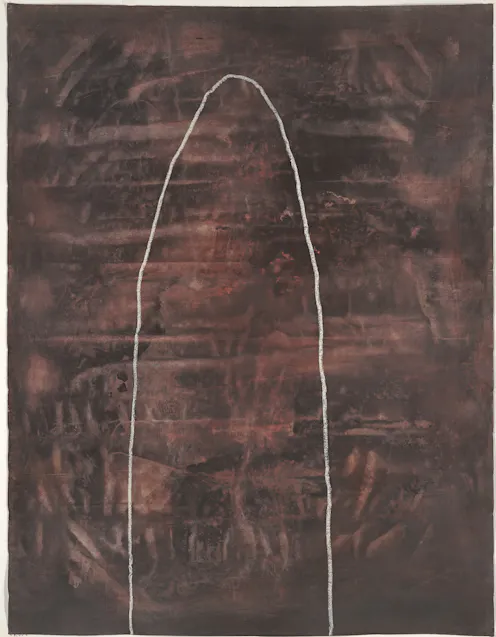
Judy Watson pours ochre and pigment onto unstretched canvases laid on the ground. The puddling and drying created an image of a simple termite mound with a profound connection to country.
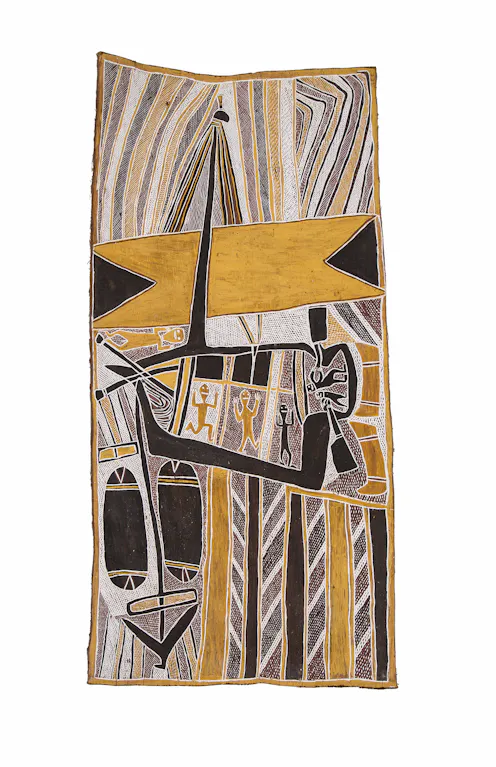
For centuries, fishing fleets from Sulawesi regularly visited Australia in search of trepang. Their visits were recorded orally and have been depicted in detailed artworks.
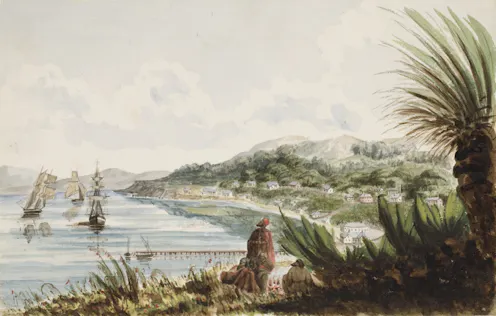
The first Europeans to arrive in Western Australia were baffled by the strange land they saw. A new exhibition explores the Arcadia artists tried to transpose over native plants and people.
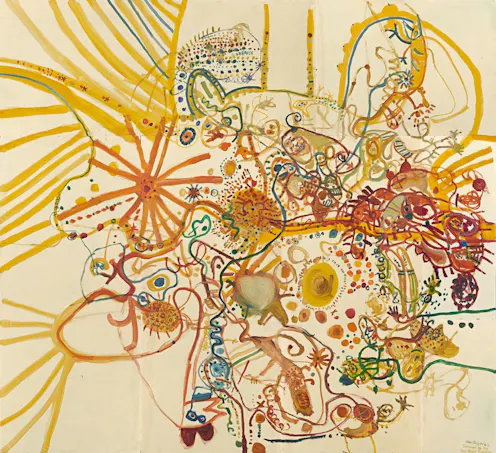
A yellow line becomes a blistering ray of sunlight in Summer in the You Beaut Country. John Olsen’s paintings, often described as ‘quintessentially Australian’, teem with life.
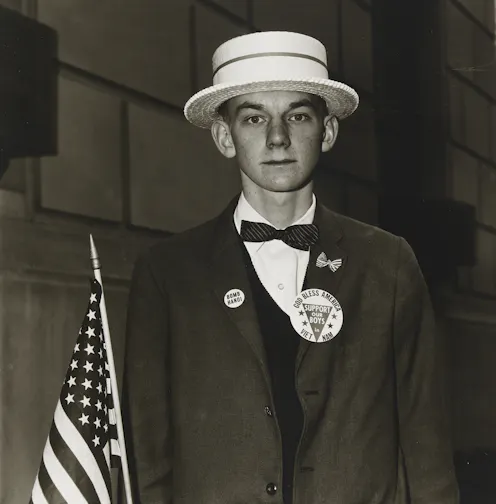
In 1967, as flower children across America marched against the Vietnam war, Diane Arbus chose to photograph a young man wearing a ‘Bomb Hanoi’ badge. What did she capture, about the boy and the time?
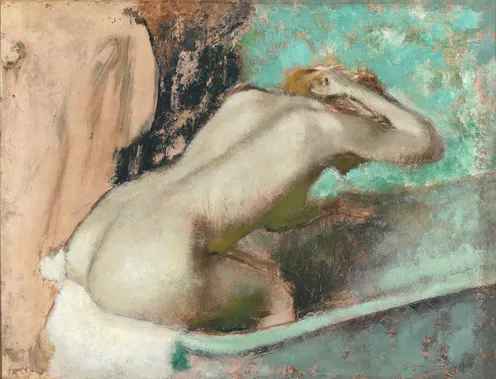
Edgar Degas was fascinated with women’s bodies. Whether dancing, ironing or bathing, he captured these intimate moments with a voyeur’s detached scrutiny.
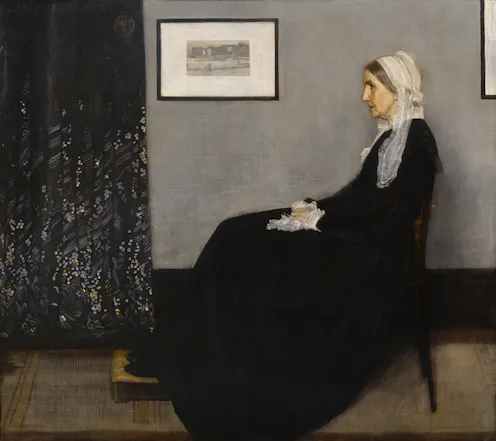
Whistler’s Mother, which arrives in Melbourne on March 25, is one of the most famous portraits in the world. But James Whistler never wanted the sitter’s identity known.
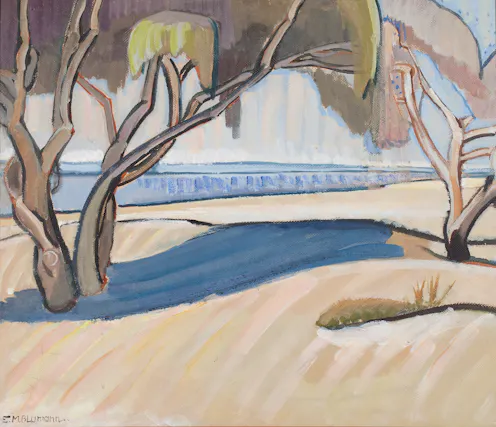
Casuarina trees and the tortured forms of the Melaleucas on the foreshore of the Swan River were the perfect metaphor for Blumann’s life and the world before and during the second world war.
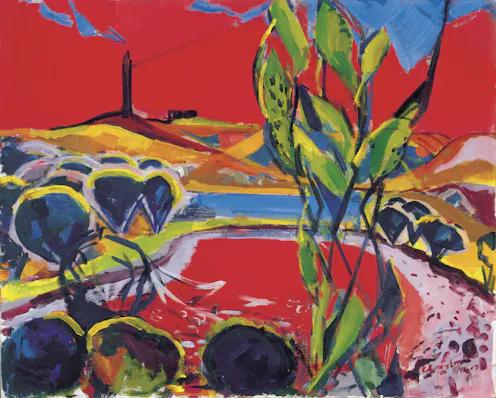
Guy Grey-Smith’s painting showcases the insistent rhythms of the indigenous vegetation and the rolling, flowing movements that take our eye meandering across the landscape and back towards the horizon.
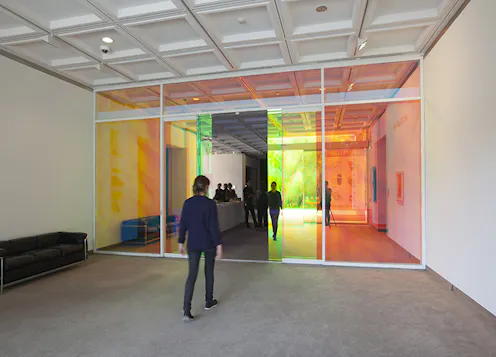
In a crowded and competitive market, how does an art museum located far from major centres of population – say, in Perth – make its mark? One obvious answer is to focus on what is distinctive about your…
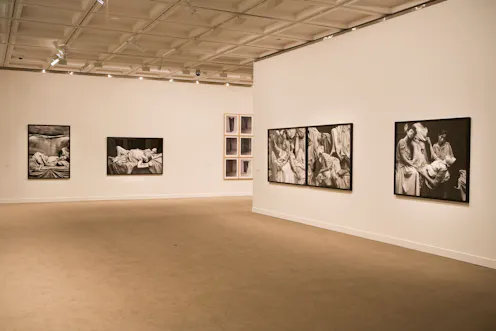
The transformation of arts funding in Australia won’t just affect grant recipients, it will disrupt the ecology of the arts – as the potential impact on university art museums demonstrates.
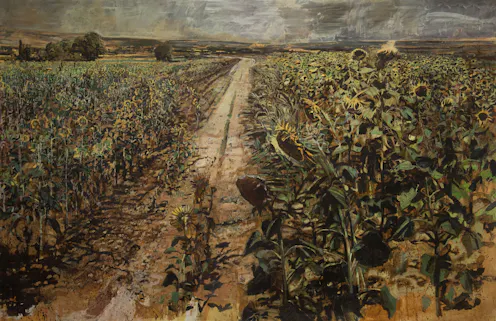
Tackling Gallipoli is an onerous challenge: it carries baggage that must be accommodated or unpacked with extreme care. Western Australian artist Lev Vykopal’s two exhibitions offer a mix of reverence, analysis, critique and poetry.
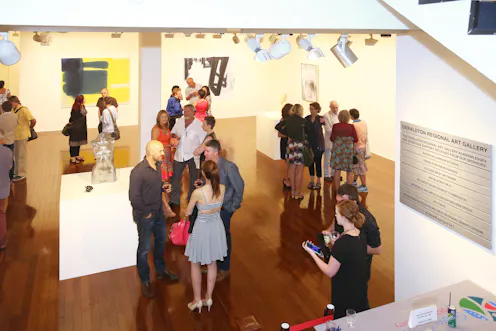
How do the judges of art prizes make their decisions? Contrary to popular perception, it’s not just a matter of personal opinion and effete connoisseurship.
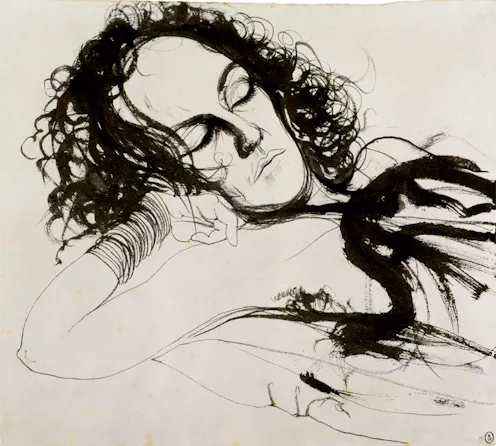
Some 23 years after his death, Australian artist Brett Whitely’s vision continues to have resonance and will likely remain a defining representation of late 20th century Australia.
What is the future of Australia’s wealthiest state? The Conversation, in conjunction with Griffith REVIEW and Curtin University, is publishing a series of articles exploring the unique issues facing Western…
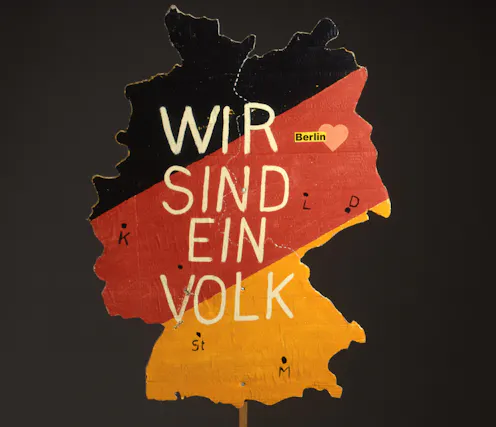
Unfortunately, I will not see Germany: Memories of a Nation at the British Museum because it closes this weekend – and I live in Perth, Australia. As a result, I am unable to speak about my personal response…
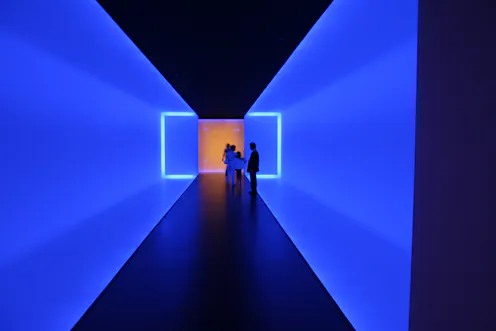
James Turrell: A Retrospective opens at the National Gallery of Australia (NGA) in Canberra on December 13. The show documents the Californian-born artist’s practice over almost 50 years, including his…
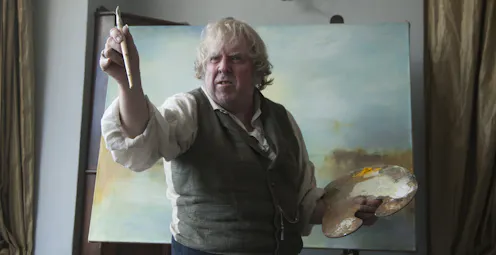
The work of art is that mysterious process that transforms pigment and canvas into an object of great beauty. Depicting that moment of creative inspiration has been a challenge for filmmakers since the…
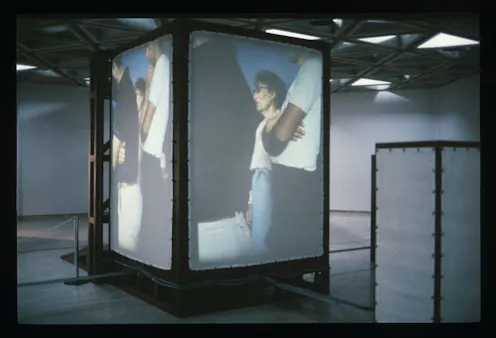
Western Australian artist Nola Farman’s practice has never followed a predictable trajectory. Her major work, The Lift Project (1979-82), is an important and influential contribution to Australia’s new…
Despite our interconnectedness through radio, television and the internet, the coverage of arts and cultural activities in Australia is viewed from a very close focus. This corrupts our understanding of…
