
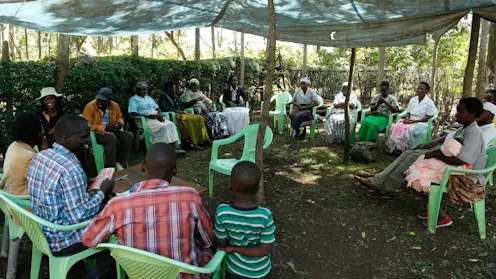
Un puissant épisode de super El Niño se profile. Les leçons tirées par l’Afrique des catastrophes climatiques passées peuvent aider le monde à s’y préparer.
- Professor of Climate Change, Food Systems and Health and Director of The Lancet Countdown in Africa, London School of Hygiene & Tropical Medicine
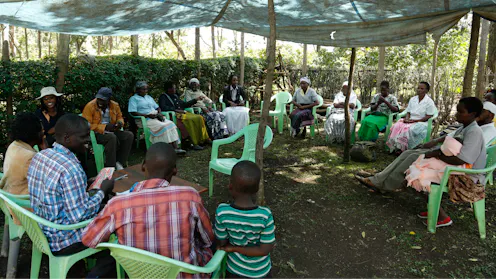
A powerful Super El Niño is looming. Africa has learned hard lessons from past climate disasters that could help the world prepare.
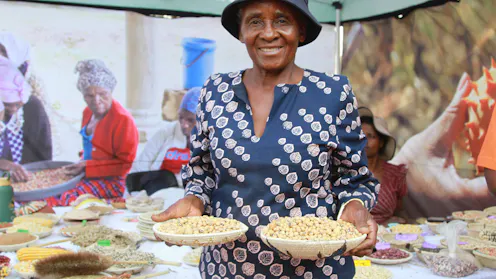
As climate crises deepen, Africa must turn its hard-won experience and local knowledge into global leadership on climate, health, food systems and clean energy.
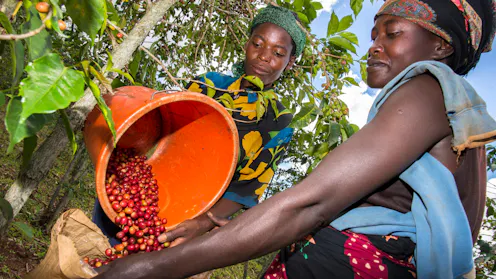
Agriculture is not just a victim of climate change. It is key to the solution. It must receive the same attention globally as fossil fuels and energy transitions.
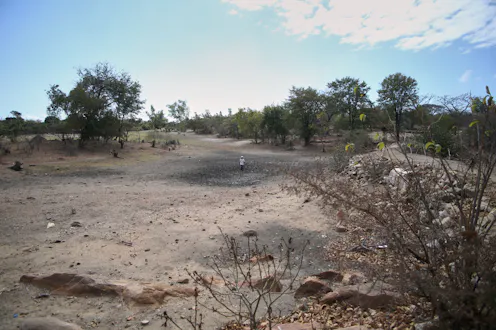
The drought is driven by El Niño, an unusual warming of surface waters in the eastern tropical Pacific Ocean that shifts weather patterns.
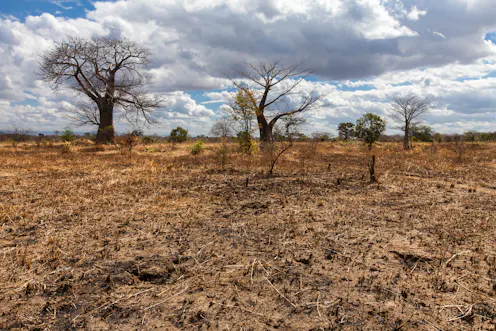
Governments in southern Africa don’t invest enough in weather forecasting and fail to work together to prepare for natural disasters, leaving the most vulnerable exposed to successive droughts.
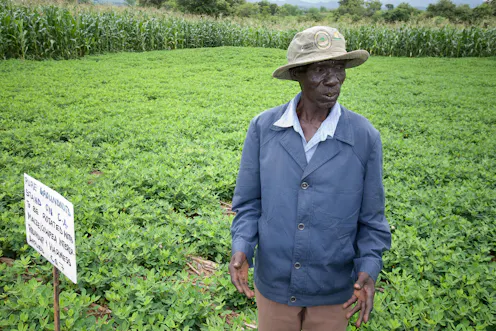
Just three plant species – wheat, maize and rice – account for 60% of all food eaten globally. A crop science expert argues that many of Africa’s 30,000 edible plants must be revived.
Contact Tafadzwanashe for
- General
- Media request
- Speaking request
- Consulting / Advising
- Research collaboration
- Research supervision
- Location: London, United Kingdom
- Website
- LinkedIn: tafadzwanashe-mabhaudhi-37561159
- X (formerly Twitter): @TafMabhaudhi
- Article Feed
- ORCID
-
- Joined
