

The cost of feeding a table full of people may be too much for the average Canadian to bear this holiday season.
- Director, Agri-Food Analytics Lab, Professor in Food Distribution and Policy, Dalhousie University

Grocers must find a way to add value and affordability for consumers.

Tipping has often-overlooked consequences for food service workers. The industry should turn its attention to underlying issues if it wants to ensure a sustainable future.

One positive thing coming out of pandemic-related self-isolation could be that people will spend more time in their kitchens, a place where fewer Canadians have ventured in recent years.
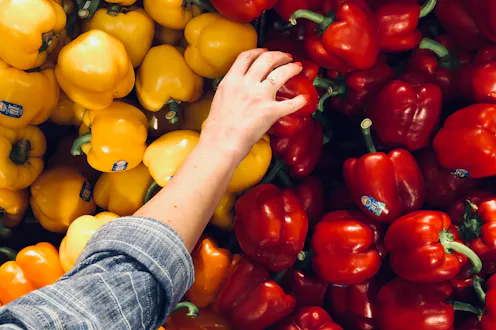
Canadian politicians on the campaign trail would do well to mention issues of food security. At least 55 per cent of Canadians are worried about how they will continue to pay grocery bills.

If pro-veganism campaigns are in bad taste, veganism has a lot to lose, as we all do. The market needs vegan activists who are rational and present their ideas thoughtfully, with the intent to educate.
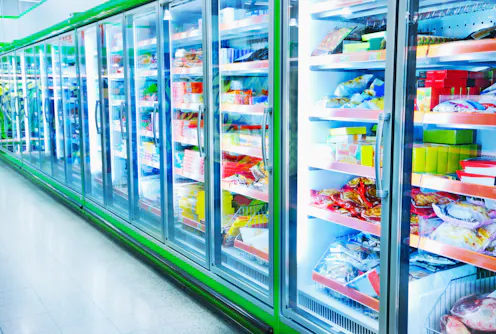
Processed foods can be nutritious as well as economical and convenient. So let’s stop demonizing processed foods, and ease up on those who turn to them for convenience and price.

Cannabis edibles will be legal in October. But the regulations set by Ottawa on cannabis edibles are confusing to retailers, making it difficult for Canada to lead the way for other countries.

According to a recent report, 30 per cent of web-browsing sessions will soon be done without a screen. Voice-enabled searches are becoming the norm, and that’s a problem for the food industry.

By 2025, Canada’s population could include five million people who live alone. Those who live alone tend to cook less, but the food industry has plans for them.

Plus que jamais, l’agriculture devient l’affaire de tout le monde. Or, le gouvernement Trudeau, visiblement plus urbain qu’autre chose, comprend mal les enjeux du secteur alimentaire.
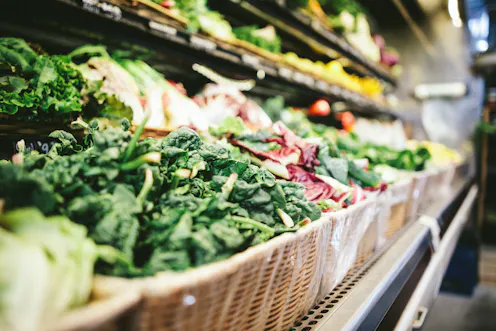
Canada’s Food Price Report, recently published by Dalhousie University and the University of Guelph, predicts significant price hikes for vegetables this year.

Nos habitudes alimentaires doivent s’adapter aux réalités environnementales et démographiques. Mais mettre de côté notre héritage alimentaire constitue une grave erreur.
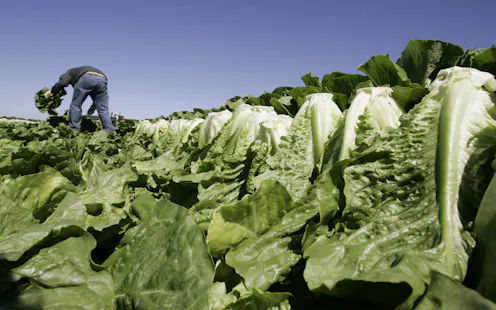
La paralysie de l'administration américaine ne compromet pas encore la salubrité des aliments importés au Canada. Mais cela pourrait changer rapidement, même si le conflit se terminait cette semaine.

Almost one in five Canadians are going meatless or eating far less meat. But most establishments aren’t actually targeting vegetarians or vegans; they’re chasing “flexitarians.” Here’s why.

En 2018, le secteur agroalimentaire a été marqué par le scandale du pain et la remise en question de la gestion de l'offre. En 2019, on attend le nouveau Guide alimentaire canadien et les produits dérivés du pot.
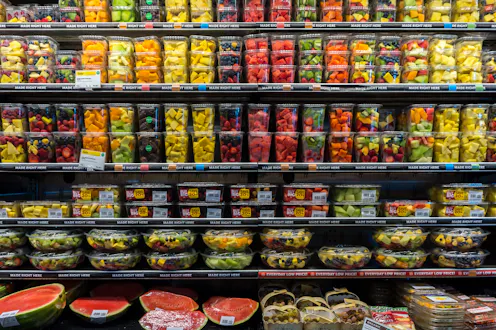
Much of the trash on Canadian shorelines can be traced to five food companies. We could soon see more compostable and edible packaging.

A new study indicates almost a third of Canadians are thinking of eating less meat, but men are less likely to eschew meat. The livestock industry is fighting the protein wars.

With Walmart bringing blockchain technology to its grocery stores, other retailers will soon have to get on board.

Bayer, the new owner of Monsanto, will need to up its PR efforts, in the wake of last week’s legal ruling on glyphosate weedkillers.

There have been an increasing number of reported anti-meat incidents around the world as more consumers second-guess their relationship with animal proteins. How can the meat industry adjust?

Cannabis-infused food products could shake up the food industry.
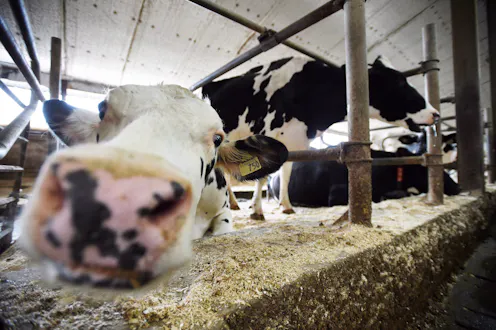
The Gérard Comeau case was never just about beer. It was essentially about enabling Canada’s domestic economy across the country to thrive. Here’s how the Supreme Court of Canada got it so wrong.

Every now and then, Canadians will take a stand against the U.S. by choosing Canadian items over American ones at the grocery store. Unless they cost more – and most often, they do.
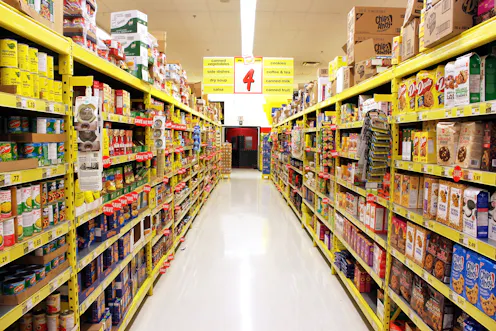
Canadians are bargain-hunters when it comes to food, and so food manufacturers try to keep prices low. But does that mean they should engage in ‘shrinkflation?’
Contact Sylvain for
- General
- Media request
- Speaking request
- Consulting / Advising
- Research collaboration
- Research supervision
- Location: Halifax (Canada)
- X (formerly Twitter): @scharleb
- Article Feed
- ORCID
- Joined
