
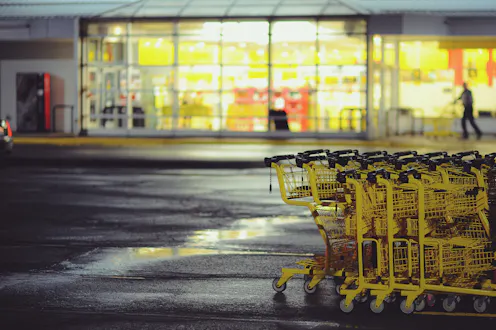
Canada’s bricks-and-mortar grocery stores are in trouble due to stagnant food prices and changing consumer preferences. More grocery store closures are likely on the horizon.
- Director, Agri-Food Analytics Lab, Professor in Food Distribution and Policy, Dalhousie University

Banning plastic bags in food distribution is complicated and not all municipalities are on board. Are bioplastics a solution?
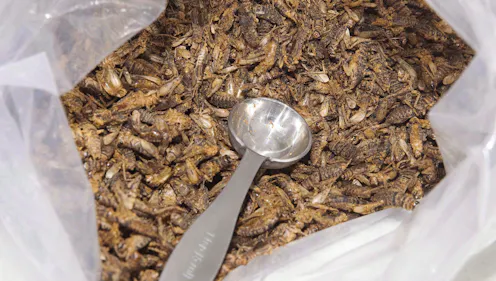
Canada’s biggest grocery chain is now selling cricket flour under its revered private label. Here’s what that says about contemporary eating habits.

Canadians still love their meat, but consumers under 35 are three times more likely to consider themselves vegetarians or vegans than consumers who are 49 or older.
Ottawa seems utterly unprepared for a trade war with the United States. The recent federal budget upholding equity values is noble, but won’t mean a thing if the government runs out of cash.
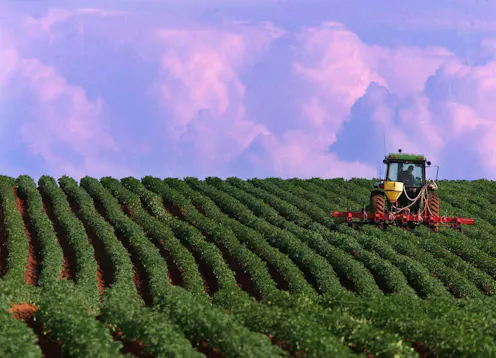
Canada does well growing crops and raising livestock, but it’s missed the boat in developing its own popular food brands. As preferences change, Canada has a chance to shine in the agri-food sector.
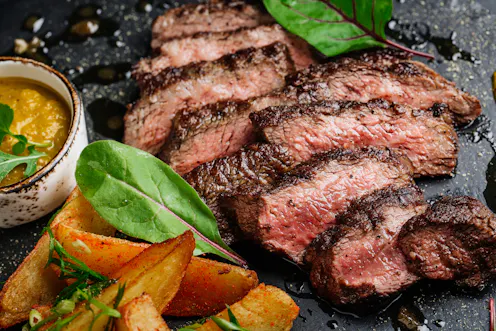
Taxing a food product like meat, which has been entrenched in our culture for so long, is silly. We should let the market evolve and allow consumers to make their own choices.

Food fraud and safety concerns are an ongoing problem in the agrifood sector— could blockchain technology be a solution?
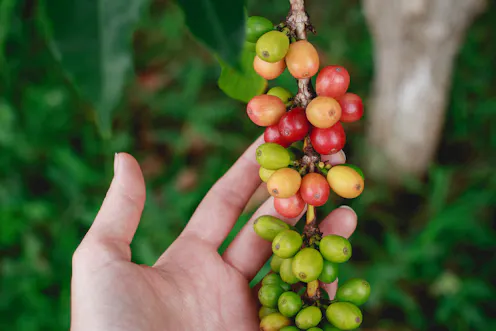
Le changement climatique pourrait gravement affecter la production du café sur les 80 prochaines années.
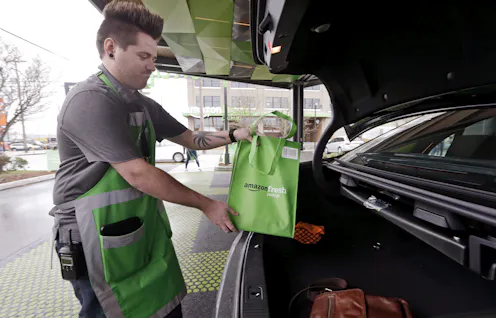
Loblaw is playing defence against Amazon, the boogeyman of retailing. But if Canadian grocers went on the offensive, they’d be able to deliver much more than food to Canadian homes.
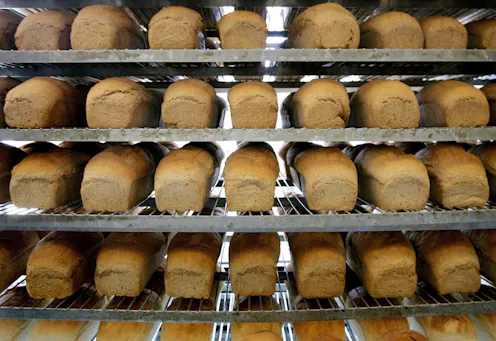
Canadian consumers could benefit from the Competition Bureau’s investigation into the so-called bread cartel, but not in a way they think. Here’s how.
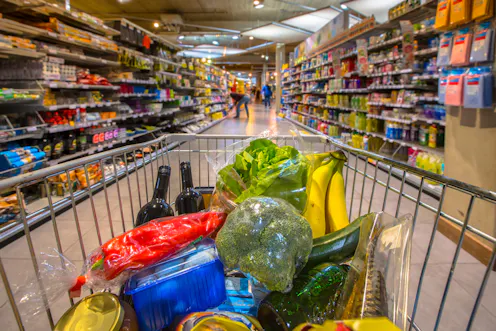
The “grocerant” model is going mainstream, and it’s not just because of millennials. A wide swath of consumers from different demographics are demanding the convenience of a grocery store/restaurant.

Kopi adalah komoditas yang paling banyak diperdagangkan di dunia setelah minyak. Namun, ketika perubahan iklim mengintai, ada ancaman nyata bagi kisah sukses global kopi.
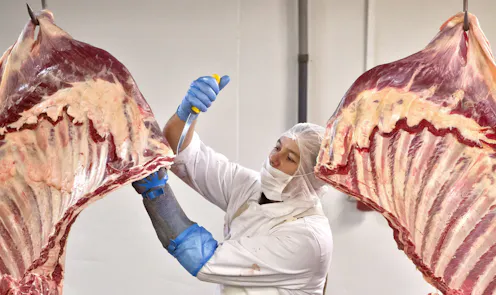
Food fraud is a common problem that technologies such as blockchain and DNA fingerprinting can help to solve.
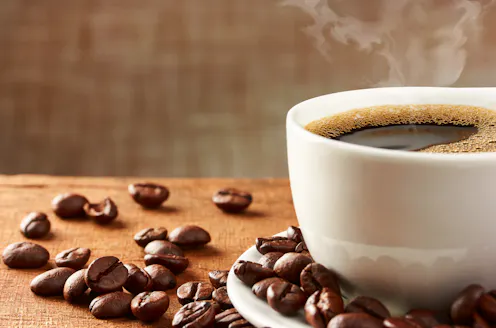
By 2100, more than 50 per cent of the land now used to grow coffee will no longer be arable. Climate change is changing the game to such an extent that Canada could one day become a coffee producer.
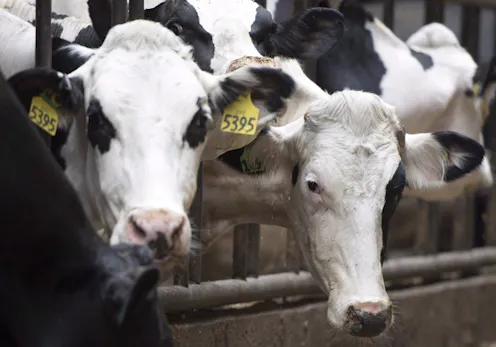
Family farms, restaurants, other food businesses and the rural economy will suffer under federal tax proposals for small businesses,
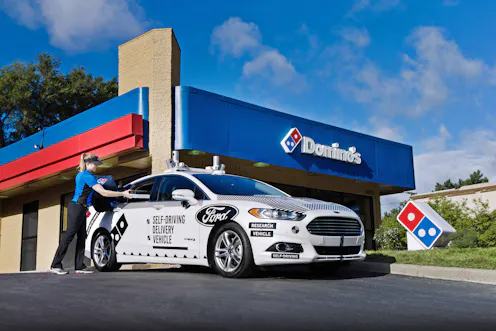
Domino’s Pizza and Ford have teamed up to offer pizza delivery via driverless cars in Michigan. Is it the way of the future?
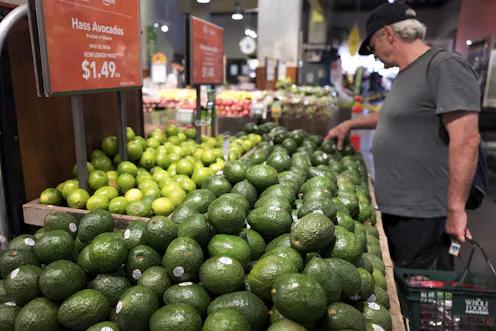
Amazon has pledged to continue slashing prices at Whole Foods now that it’s acquired the organic food mecca. Will that mean more affordable organic food for more people – delivered overnight?
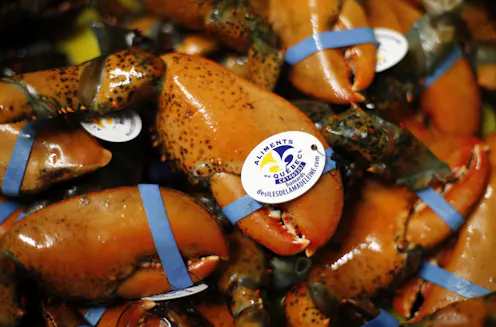
Lobster used to be a poor man’s meal. Now it’s the darling of foodies, and Canada’s lobster producers are poised to cash in on sales to the European Union thanks to CETA.
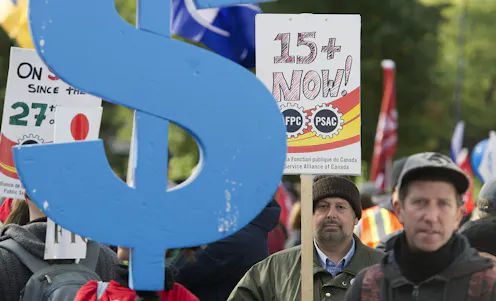
The minimum wage is rising in many parts of Canada, but it masks the impact of seismic changes to the agriculture, food and retail industries brought about by new technologies.
Contact Sylvain for
- General
- Media request
- Speaking request
- Consulting / Advising
- Research collaboration
- Research supervision
- Location: Halifax (Canada)
- X (formerly Twitter): @scharleb
- Article Feed
- ORCID
-
- Joined
