
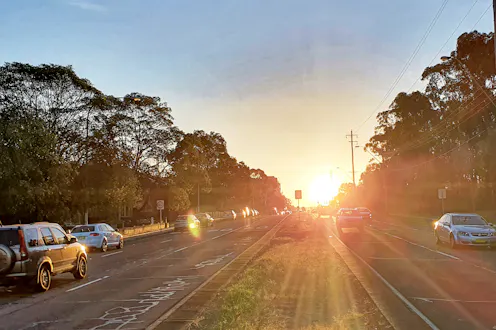
NSW is developing a comprehensive new planning policy with the goal of creating healthy places. A new study finds those people who work as placemakers want these goals embedded in laws and budgets.
- Professor of Planning and Associate Director, City Futures Research Centre, UNSW
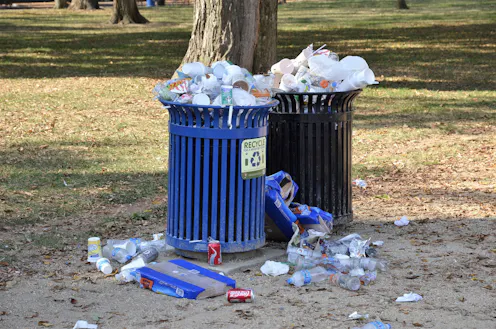
Researchers are installing sensors to collect data about the use of public spaces. This can improve the management and public amenity of these places, but will users see the technology as intrusive?
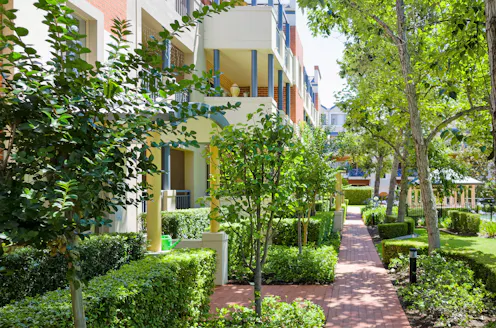
Being crowded into poor-quality high-density units harms residents’ health, but design features that are known to promote wellbeing can make a big difference to the lives of low-income households.

Enshrining the need for planning healthy built environments in legislation will help ensure the fundamental role planners have to play in facilitating healthy lifestyles.

New research shows many good intentions for creating urban environments that promote good health were not carried through. The solutions start with engaging more closely with residents themselves.

Socioeconomic disadvantage and its impact on where we live and work (and how we get between the two), has enormous implications for health and well-being. But the picture is not as clear cut as many people…
Contact Susan for
- General
- Media request
- Speaking request
- Consulting / Advising
- Research collaboration
- Research supervision
- Location: Sydney, Australia
- Website
- Article Feed
- Joined
