
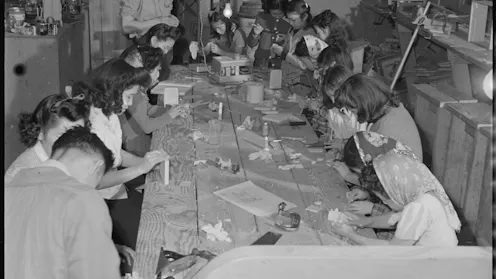
Incarcerated in rough barracks surrounded by barbed wire and armed soldiers, Japanese Americans made functional and beautiful items to ease their suffering.
- Adjunct Professor of History and Affiliated Faculty, USC Shinso Ito Center for Japanese Religions and Cultures, USC Dornsife College of Letters, Arts and Sciences
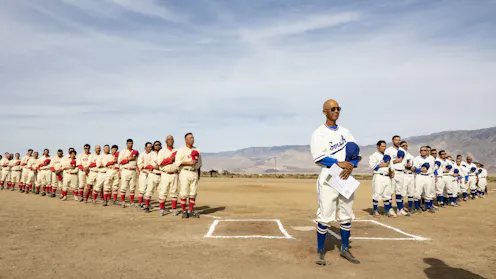
80 years after Japanese Americans were imprisoned at the Manzanar Relocation Center, descendants are returning to play the sport that gave prisoners hope and a sense of normalcy.

The US government locked up nearly 126,000 Japanese Americans from 1942 to 1945, but never kept comprehensive records of all the people subjected to this unjustified incarceration.
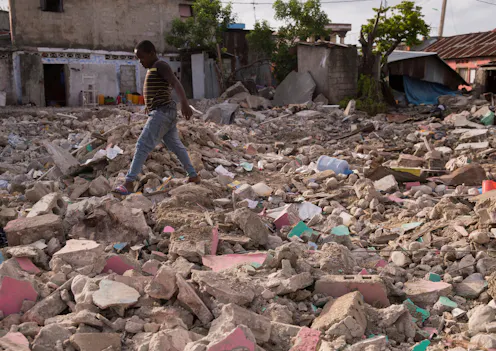
Plus, new research chronicling the experiences of Japanese Americans interned by the US government during the second world war. Listen to The Conversation Weekly podcast.
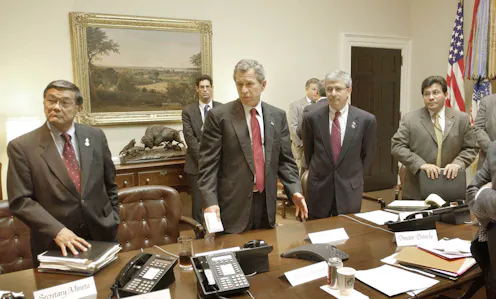
In the wake of 9/11, some called for rounding up whole groups of people viewed as potential threats to the nation. But Transportation Secretary Norman Mineta knew the U.S. had done that before.
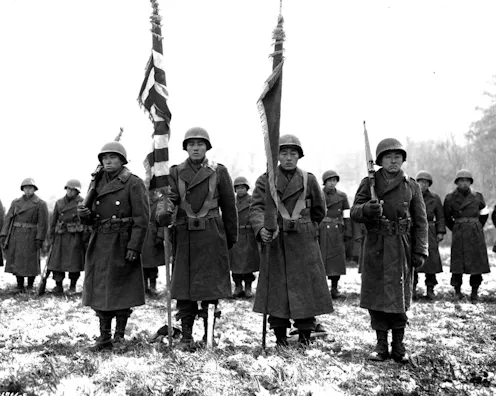
For AAPI History Month: Young Japanese American men who were incarcerated because they were presumed to be disloyal were considered loyal enough for compulsory military service.
Contact Susan for
- General
- Media request
- Speaking request
- Consulting / Advising
- Research collaboration
- Research supervision
- Location: Los Angeles, California, U.S.
- Website
- BlueSky: @susanhkamei.bsky.social
- Facebook: susanhkamei
- LinkedIn: susan-h-kamei-7942a77/
- X (formerly Twitter): @susanhkamei
- YouTube: @susankamei
- Article Feed
- Joined

