
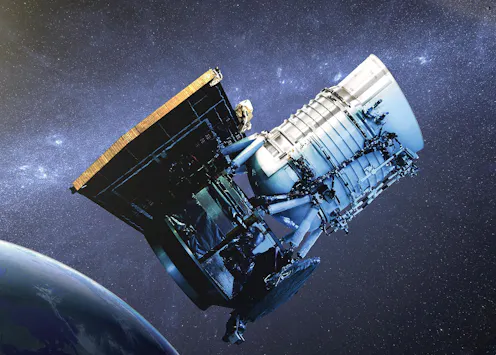
NASA’s enduring NEOWISE mission was just shut down. It was keeping an eye out for potentially dangerous asteroids – but we’re not left defenceless.
- John Curtin Distinguished Professor (Radio Astronomy), Curtin University
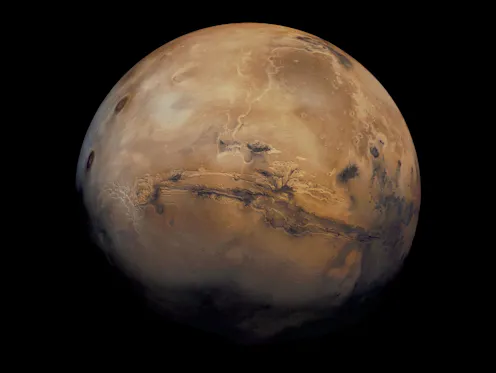
Mars has been a popular destination since space exploration began – and there are plenty of people who’d love to go there.
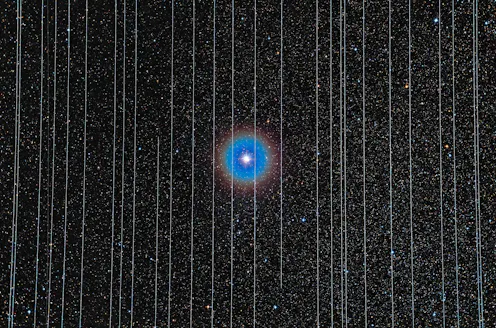
Starlink satellites emit bright, unintended and unexpected signals that can be detected by radio telescopes.
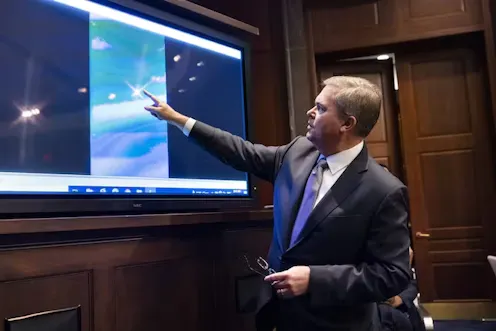
Bukti seperti apa yang benar-benar kita perlukan, sebelum kita bisa menyimpulkan bahwa kontak dengan alien telah terjadi?
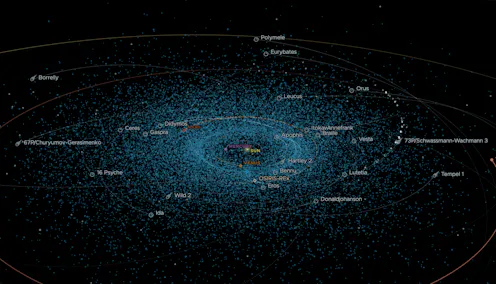
Barely a week goes by without headlines about a giant asteroid coming past Earth. Here’s what really makes an asteroid pass notable – it’s not just size.
Bahkan jika alien itu ada, cerdas seperti manusia dan tertarik untuk melakukan kontak, mungkinkah jaraknya cukup dekat sehingga kita bisa mendengar mereka meneriakkan kehadirannya di jagat raya?
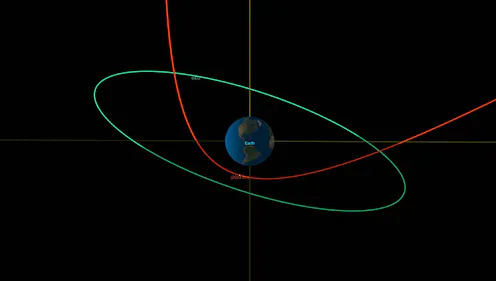
Discovered less than a week ago, the truck-sized asteroid skimmed much closer to Earth’s surface than most satellites.
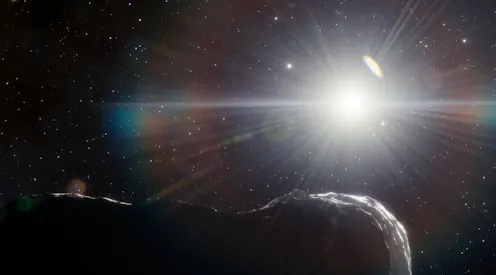
With a diameter between 1.1km and 2.3km, asteroid 2022 AP7 is the largest potentially hazardous asteroid found since 2014.
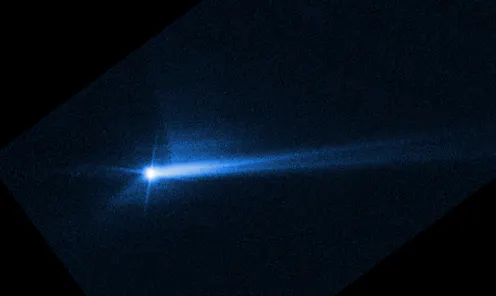
DART has forever changed the orbit of a small asteroid – and done so with much greater success than expected.
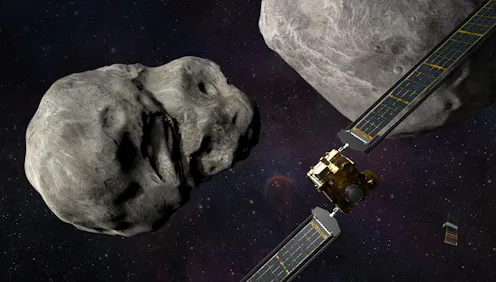
The first ever planetary defence test is about to take place 11 million kilometres from Earth. All we can do is wait and see.
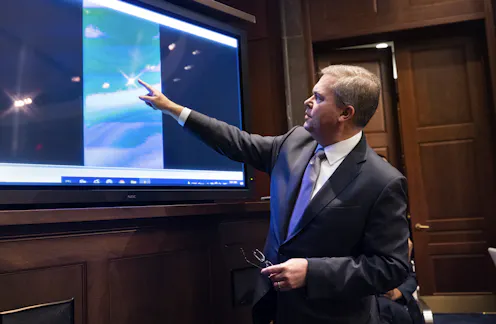
What kind of evidence would we really need, before we could reasonably conclude alien contact had been made?
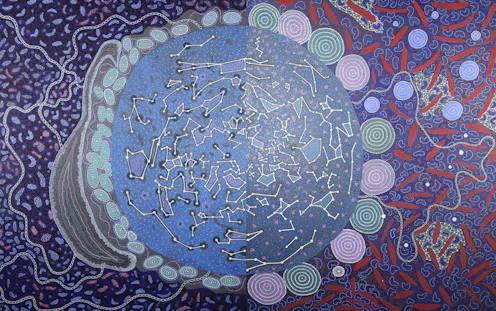
A new 3D film follows two children as they discover the astrophysical story of the universe and Yamaji stories of the sky and land. Making it was an extraordinary cross-cultural experience.
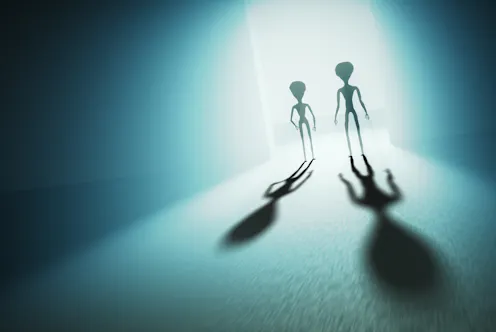
Even if aliens exist, are intelligent like humans and interested in making contact with us, what are the chances they’ll be close enough for us to hear them screaming their presence into the cosmos?
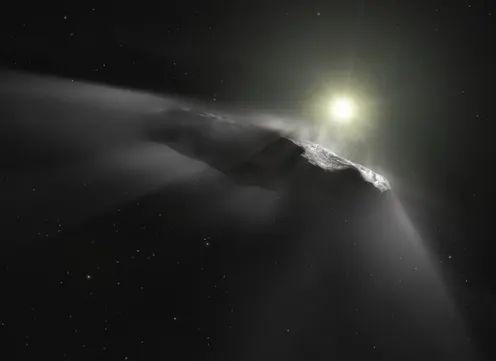
We will never see ‘Oumuamua again, and we may never know exactly what it is. But with the right kind of media coverage it could inspire some kids to take up a career in science.
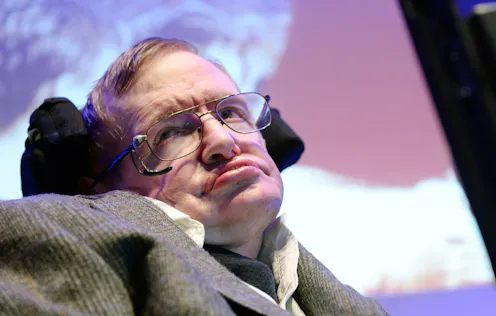
Stephen Hawking inspired people with his work on black holes and other mysteries of the universe. Many were quick to pay tribute to the theoretical physicist who died today in the UK, aged 76.

What caused the Big Bang is still a mystery. And that’s just one of the many unanswered questions, in spite of everything we do know about the birth of the Universe.
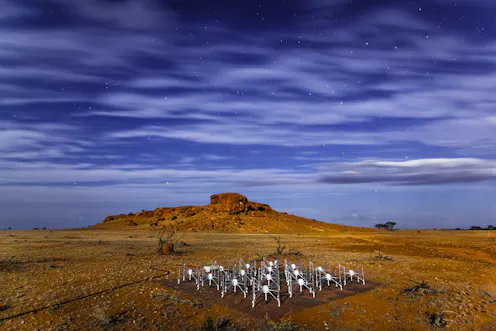
The Murchison Widefield Array sits in remote Western Australia far from noisy civilisation so it can help us understand the universe by tuning into radio waves from the distant cosmos.
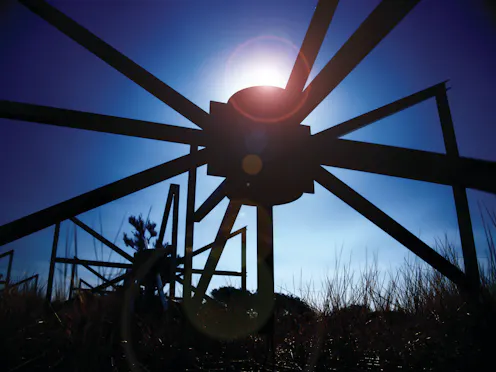
The night sky is part of the shared heritage of all people on Earth. A project to bring Indigenous Australians and astrophysics together reveals our common wonder at the mysteries of the universe.
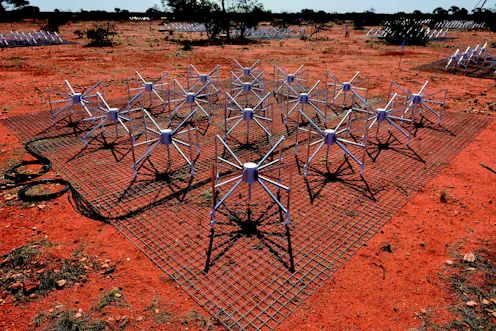
More than 100 million years has been wiped off the age of the first stars but there is still the question of what happened in the first billion years of the universe. Earlier this month the European Space…

After a few years of increased funding, Australian research has recently started to face cutbacks and job losses. This boom and bust cycle for science is nothing new but is it time to take a new approach…
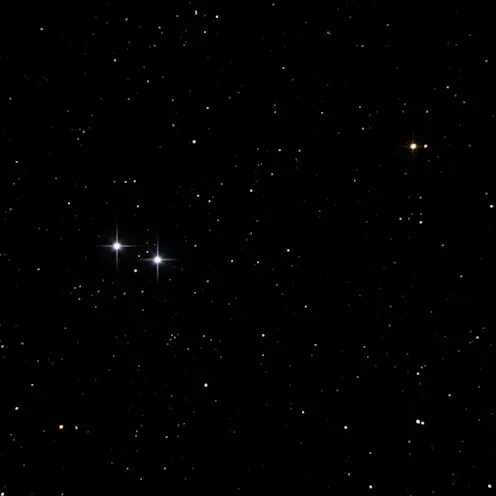
SS Cygni, a famous stellar system made up of one normal star and one dead star, is much closer than previously thought, according to a new study by Australian researchers and citizen scientists. The new…
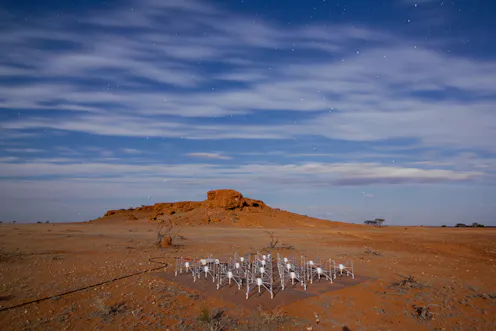
The Square Kilometre Array (SKA) radio telescope has been on the cards since the early 1990s. It took until May of last year to find out where it will be built – in South Africa, Australia and New Zealand…
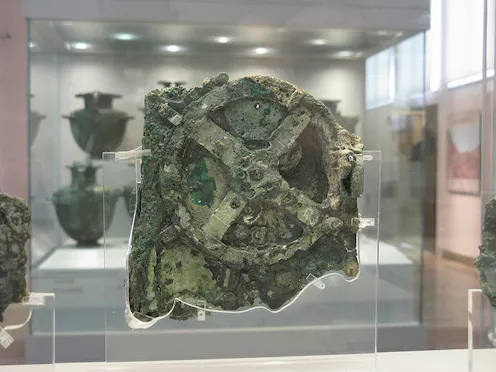
Modern humans may think they are clever, and each generation typically thinks it’s more intelligent than those that came before. Hence, it can be a shock to discover civilisations existing thousands of…
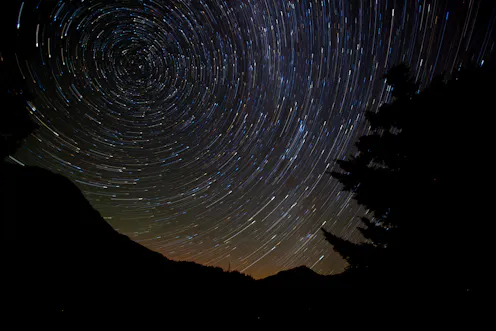
Humans have always had a deep affinity with the night sky. Over millennia the stars have guided us in our travels, provided a grand canvas for the great stories of mythology and invoked a sense of wonder…
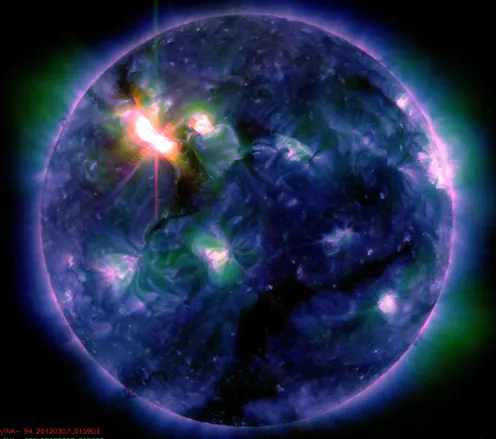
The biggest space storm in five years is hurtling towards Earth at more than 2000 km per second. Two bursts of solar wind and plasma - known as coronal mass ejections (CME) - are expected to hit Earth…
Contact Steven for
- General
- Media request
- Speaking request
- Consulting / Advising
- Research collaboration
- Research supervision
- Location: Perth, Australia
- X (formerly Twitter): @stingay
- Article Feed
- Joined
