

Owing more to the bank than your home is worth is a daunting prospect. But if you’ve bought a place to live in, not as an investment, there’s little reason to panic.
- John Curtin Distinguished Professor, Curtin Business School, Curtin University
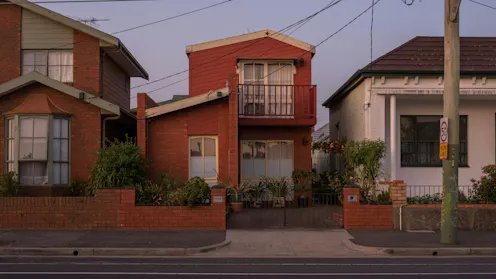
We are judging the success of Australia’s housing system using the wrong measures.

In the end, this scheme did deliver on some of its key promises. But it is surprising governments haven’t taken note of its shortcomings and replaced it with something even more effective.
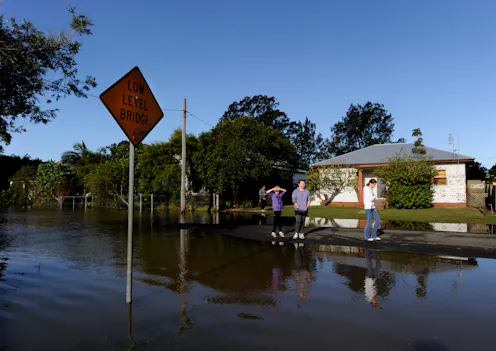
Researchers examined how disaster risk informs decisions about new housing. They found crucial problems that leave communities exposed.
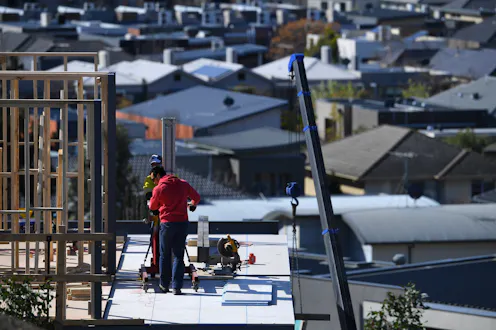
Current housing stimulus measures aim to boost buyer demand and are too small to sustain a recovery. A second round of stimulus is likely to be needed, and it should go into social housing supply.
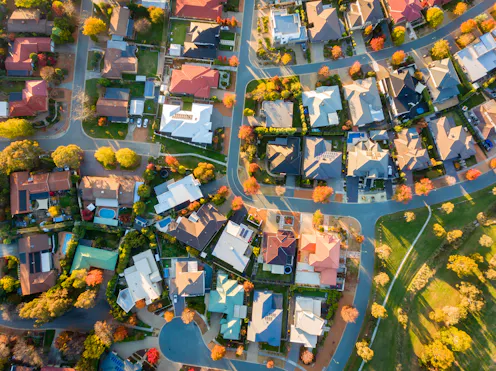
Surveys with householders showed they want safety and security. Post-COVID that desire will be even stronger.
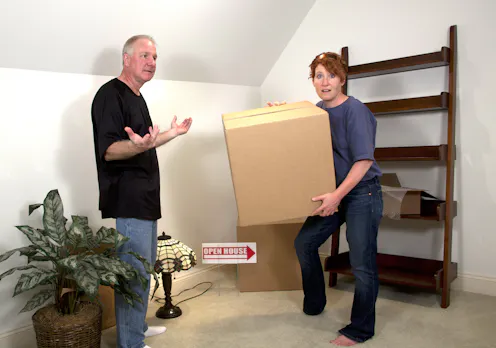
While a majority of householders over 55 have thought about downsizing, only one in four have done it. What’s stopping them? Most simply can’t find a home in the right place that meets their needs.

The housing aspirations of young Australians change as they enter their late 20s and early 30s. But having somewhere safe and secure to call home is the top priority for all young adults.

Most older Australians want to live in a home they own, preferably in the middle and outer suburbs of a city. But increasing numbers look unlikely to realise their housing aspirations.

The policy focus remains on home ownership, but a new survey shows slight improvements in affordability do little to help people on low incomes. Their plight calls for better social housing policy.

Most renters are happy with their landlords and happy with the quality of their accommodation, but they would like better security of tenure and cheaper rent.

The clichés about housing supply and regulatory restraints are distractions from the need to focus on expanding the affordable housing sector to directly meet the needs of low-income households.
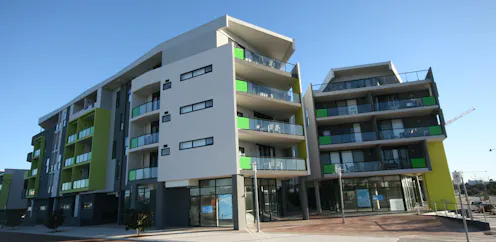
The states that are delivering more affordable housing have sophisticated, multi-pronged strategies to serve the full range of needs.

One in seven Australian households is in a state of housing need. A shortfall in social housing supply means some are locked out of the market and others pay much more for rent than they can afford.
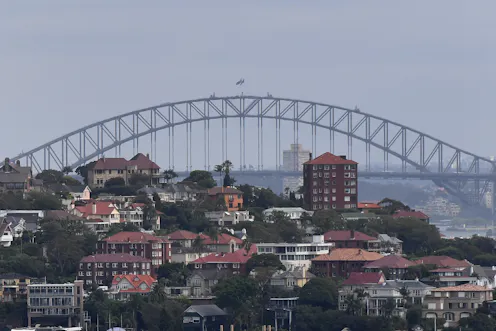
Data on housing supply in Australia’s capital shows that while it’s increasing in areas with lots of jobs, house prices are too high for those who might want to move for work.
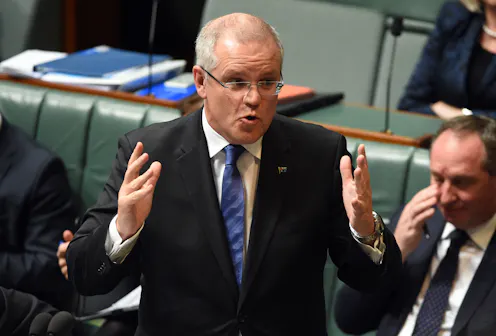
The housing supply solution our leaders are advocating will only work if affordability is simply a problem of supply. In fact, Australia is almost a world leader in rates of new housing production.

A panel of experts on housing respond to Treasurer Scott Morrison’s speech on improving the supply of housing in Australia.

Without long-term solutions to the imbalance between incomes and house prices, Gen Ys face a lifetime of renting without the financial and emotional security of home ownership.

Australia’s housing stock is not meeting the demands of older Australians, according to a new report.
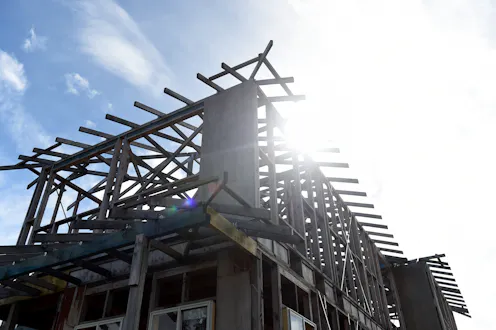
An increase in land supply is the usual solution put forward to solve the housing affordability crisis. What proponents of this argument fail to mention is that you need an industry prepared to deliver…
Contact Steven for
- General
- Media request
- Speaking request
- Consulting / Advising
- Research collaboration
- Research supervision
- Article Feed
- ORCID
- Joined
