

Data show that South Africans have become more hostile towards immigrants.
- Chief Research Specialist., Human Sciences Research Council

Individual beliefs about the past and its relevance to the present strongly influenced awareness of the Marikana tragedy.
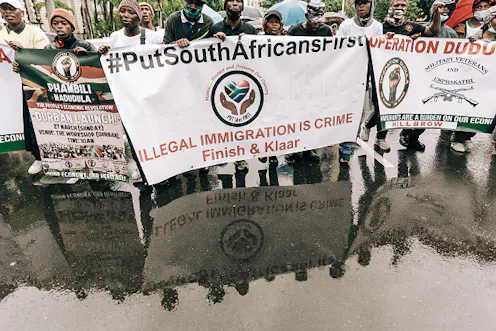
There is no evidence that international migrants are a major cause of unemployment in South Africa. Misinformation drives this misconception.

Perceptions that South African police treat people disrespectfully, lack impartiality or transparency, and are prone to brutality
undermine public confidence in them.

Most adults were prepared to sacrifice their rights to ensure the safety and health of all during the pandemic, averaging 74%.
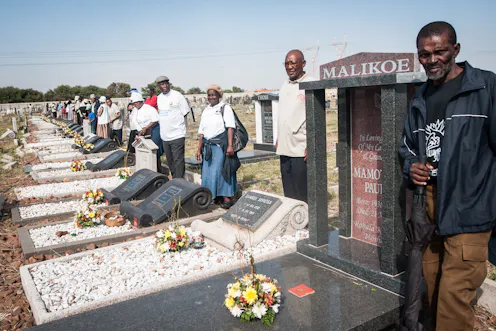
The low levels of familiarity with key historical events indicate that there are serious shortcomings in the development of national collective memory in South Africa.
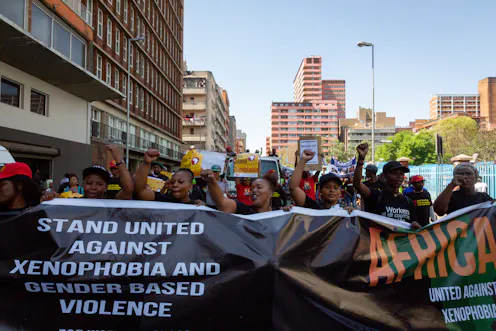
Radio and television were found to be potentially highly influential in promoting positive public attitudes towards immigrants.

South African parents want their children be taught in English despite the fact that research shows that academic progress is hindered if a child is taught in a language they aren’t proficient in.
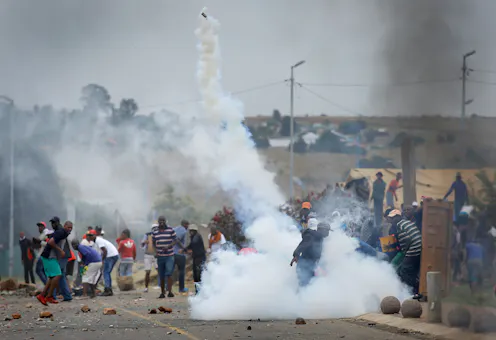
Beliefs about the role played by foreign nationals in South Africa clearly influence how people think about anti-immigrant hate crime.
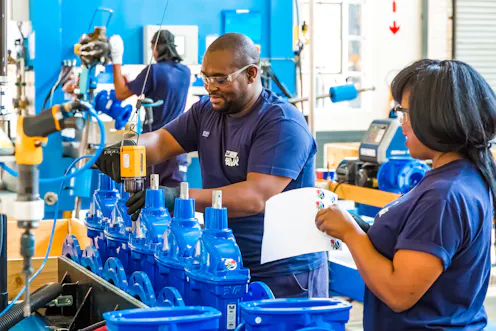
The governments needs to adjust its agenda to take on board concerns voiced by citizens about the impact of technological changes.

A survey shows 70% of South Africans feel immigrants pose a threat to the country.
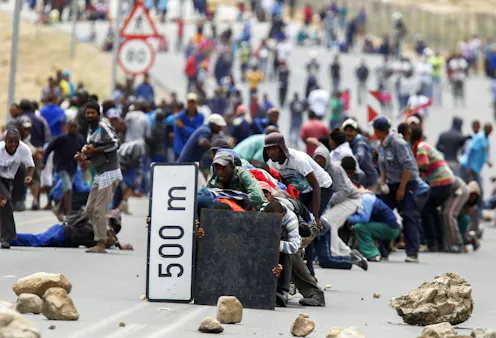
Governing parties and officials need to take note of the frustration being expressed by ordinary South Africans.

Corruption has become one of the biggest concerns for South Africans living in a province that has erupted in violence.
Contact Steven for
- General
- Media request
- Speaking request
- Consulting / Advising
- Research collaboration
- Research supervision
- Location: Durban, South Africa
- Website
- LinkedIn: steven-gordon-51809a52
- Article Feed
- ORCID
- Joined
