
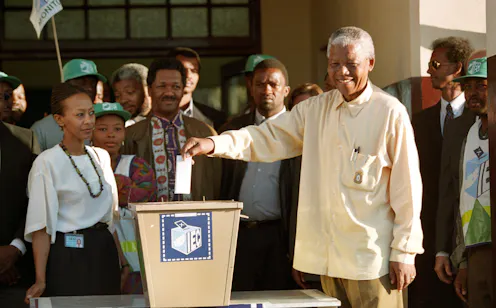
The first episode of What happened to Nelson Mandela’s South Africa?, a three-part podcast series on The Conversation Weekly. Featuring interviews with Steven Friedman and Sandy Africa.
- Professor of Political Studies, University of Johannesburg
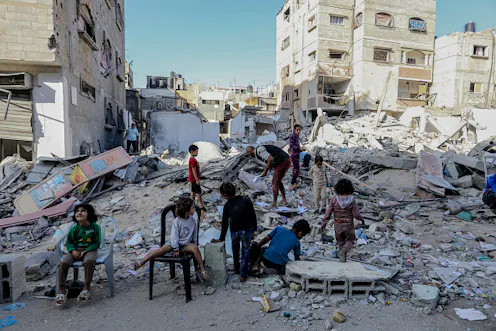
The European bourgeoisie could not forgive Hitler because he applied in Europe colonialist procedures previously reserved for the supposedly inferior Arabs, Indians, and Africans.
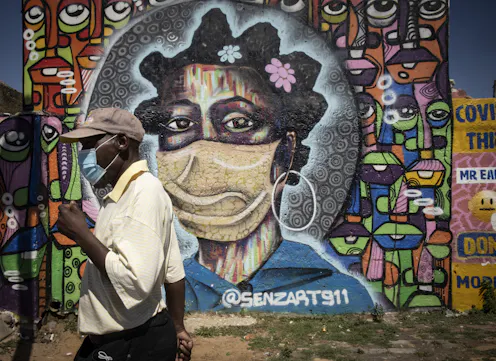
It was the biases of its ‘first world’ which prevented South Africa from mobilising the energies and talents of most of its people against COVID-19.
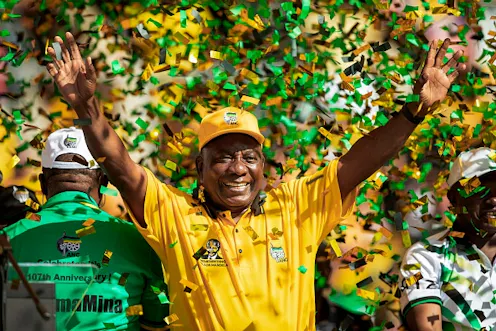
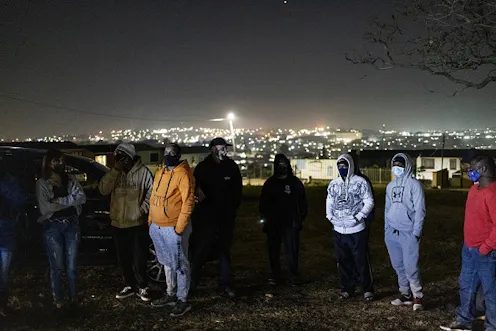
Turnout was low. But not equally so across the board. Patterns show it was not a statement by all voters – it was a message from ANC supporters.
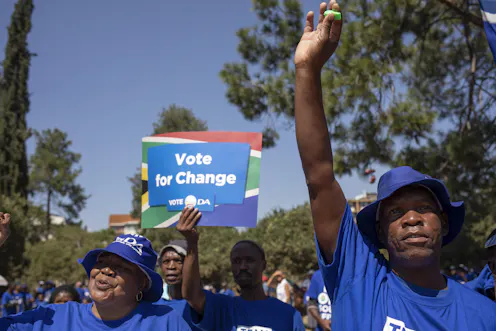
The Democratic Alliance posters were not a bolt from the blue. They were consistent with messages the party’s current leadership has been sending out for some time.
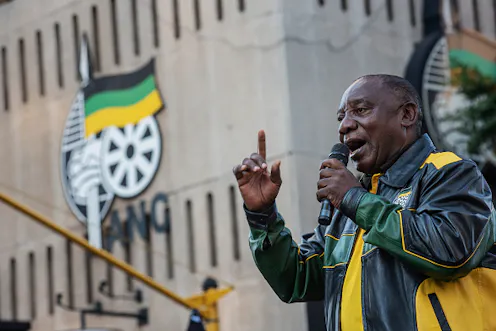
The ANC did not create most of the patterns for which it is blamed. But it has done far too little to change them and often seems happy simply to live with them.
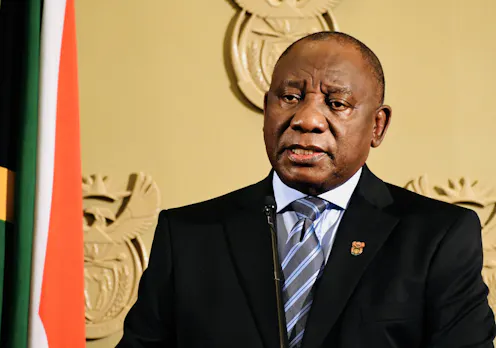
Cabinet reshuffles are always much less important events than the hype which surrounds them would suggest.
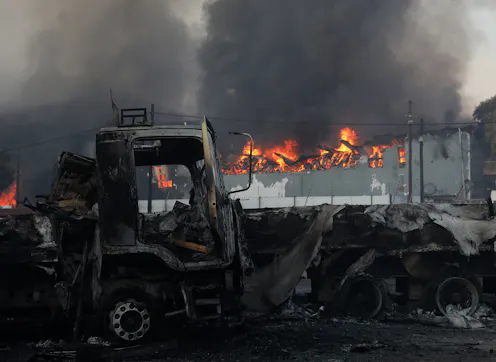
The violence wreaked its damage because South Africa’s journey to democracy remains incomplete. It sends a sharp message that the country must look its past far more squarely in the eye.
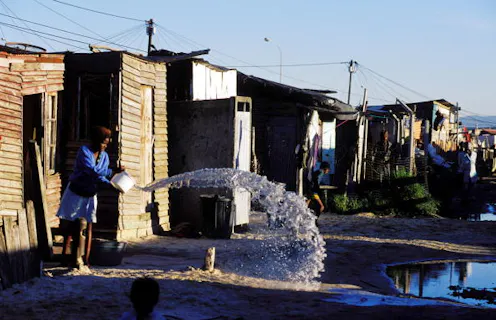
The new governing elite mistakenly believes that the goal of a democratic South Africa is simply to extend to everyone what whites enjoyed under apartheid.
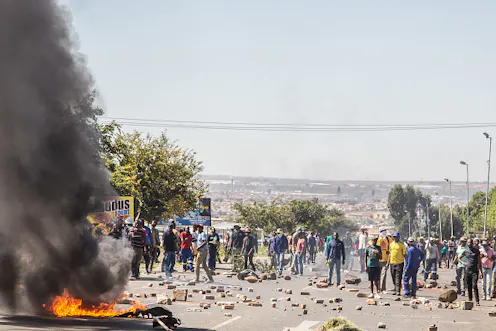
The problem in municipalities is not that the wrong people are being chosen. It is that the wrong people are doing the choosing – not only of candidates but of what they do if elected.
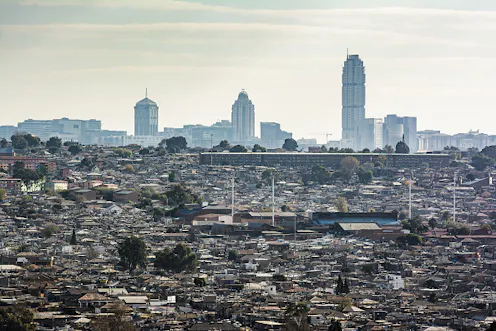
In the country’s insider politics, the majority who try to survive outside the formal economy are talked about, but are never heard.
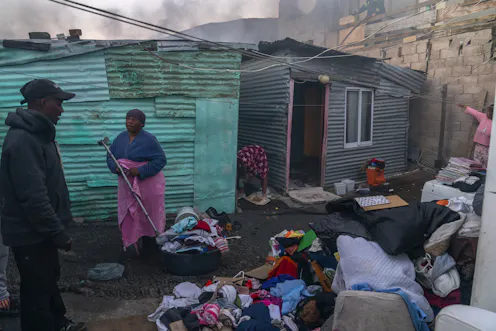
Whites lived well under apartheid and it is not absurd for black leaders to want all to live in the same way.
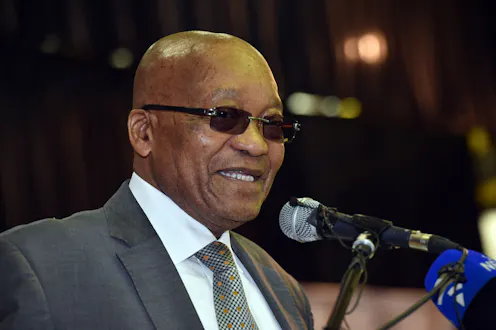
Revelations show that the State Security Agency did little to safeguard the country and much to protect Zuma’s political faction and to funnel public money into private ends.
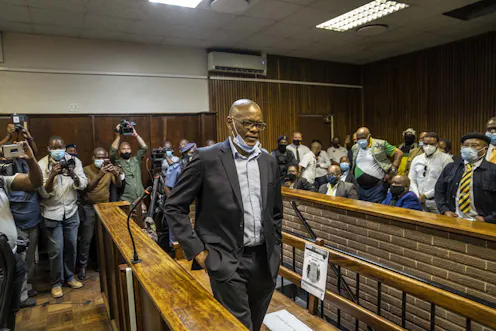
For every office holder who may lose a seat because they are prosecuted, another job opens up.
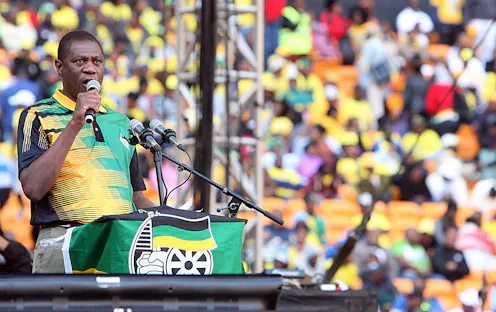
Since parties always need money, forcing them to depend on private funders means throwing them into the hands of donors who will demand favours for their cash.
Each black person and woman may be an individual but, because they are black and women, they face obstacles which whites and men don’t.
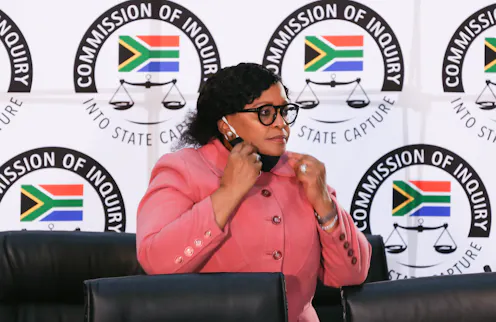
Corruption has been a constant feature of South African political life for much of the past 350 years; solutions will also take time.
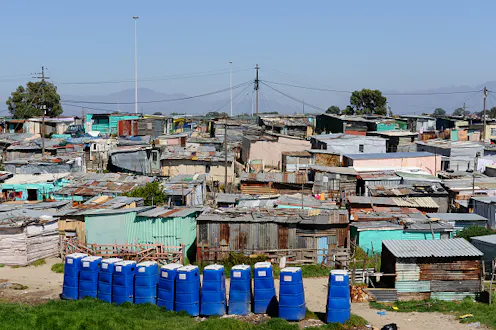
Glaring capacity gaps aside, the failure to curb COVID-19 is not so much due to a lack of technical know-how but to a particular view of the world.
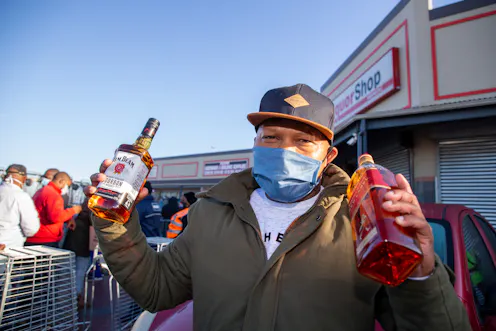
South Africa’s lockdown rules started with high legitimacy. But it has been eroded and has now dissolved.
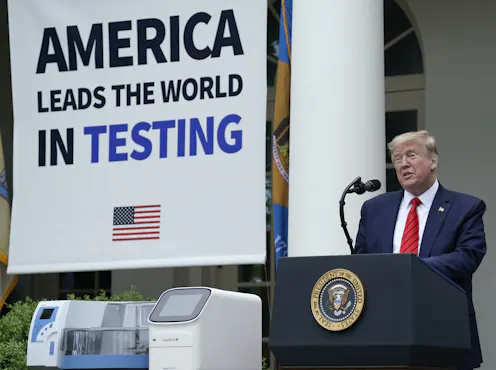
Some of the worst health performers in recent weeks have been ‘First World’.
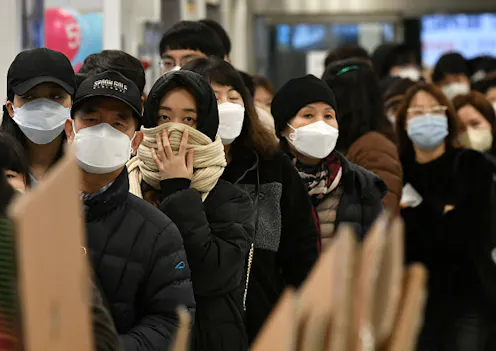
It is not all democracies that struggle to deal with the coronavirus; it is those in which the people do not feel the system works for them.
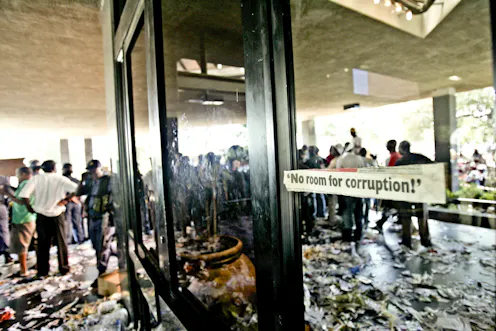
A readable and important new book on the struggle for justice in South Africa’s Oukasie township does not go far enough to question the feasibility of grassroots resistance.
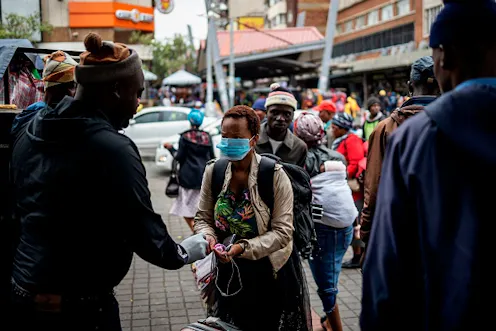
Reactions in South Africa give little reason for hope that the virus will bring people closer together or trigger more energetic action against poverty.
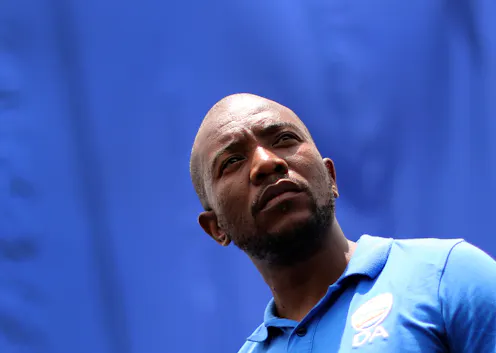
Mmusi Maimane’s resignation highlights one of the core problems of democratic South Africa - the assumption that the only way to do anything is the way white men did it in the past.
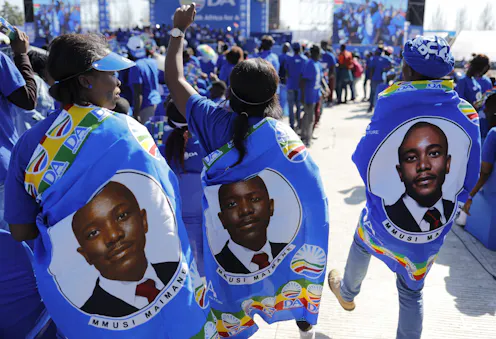
Race is the fault line. Prominent black DA figures label attempts to remove leader Mmusi Maimane as an attempt by whites to force black members into a subordinate position.
Contact Steven for
- General
- Media request
- Speaking request
- Consulting / Advising
- Research collaboration
- Research supervision
- Location: Johannesburg, South Africa
- Website
- Article Feed
- Joined
